
 CleanLink Interactive Spring/Summer 2026 Issue
 Recognizing the 2026 Reader Choice Award Winners
 2026 Emerging Leader Award
 How Surfactant Use is Expanding in Commercial Cleaning
By Dr. James Kim
For many facility teams, spring is the season of resets: deeper cleans, supply audits, preventive maintenance and renewed training. But the value of “spring cleaning” in schools, healthcare facilities, offices, government buildings, and entertainment venues isn’t just about looking refreshed—it’s about reducing risk.
When cleaning programs are tuned up, the benefits reach beyond floors and fixtures. They can reinforce one of the most reliable, evidence-based public health practices we have: handwashing. And we know the demand for clean spaces is real—ACI’s 2026 Spring Cleaning Survey found 72 percent of adults say coming home to a clean, organized space is more relaxing than getting a massage.
What Cleaning Priorities Reveal
That ACI survey underscores a familiar truth: people care deeply about hygiene, especially as they transition out of winter and back into busy shared routines. In fact, 80 percent of U.S. adults said they spring clean at least once a year. When asked what motivates them to get started, the top drivers were a desire to declutter or organize (57 percent), a new season/fresh start mindset (47 percent), and health or hygiene concerns (46 percent).
That mix of motivations—fresh start, organization, and health—also hints at where gaps can appear. While spring cleaning is a once-a-year ritual for many, the survey suggests that routine habits can lag: 17 percent of respondents said they’d be embarrassed to admit the last time they washed their hands. For facility cleaning leaders, that’s a useful reminder that good hygiene isn’t only about awareness; it’s about designing environments that reduce friction and reinforce the right behaviors, especially in high-traffic restrooms.
The Importance of Handwashing
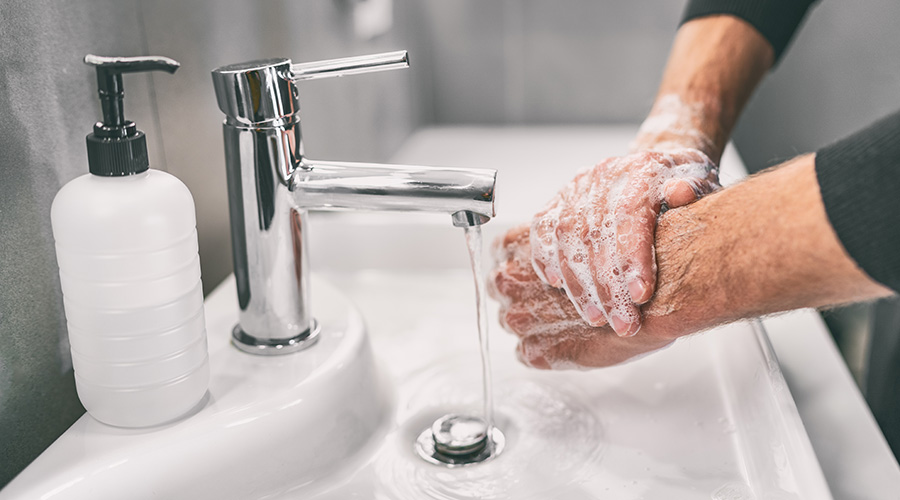
Handwashing with soap and water remains a cornerstone of hygiene in public settings. It helps remove soil and germs from hands after restroom use, before eating, after coughing or sneezing, after contact with high-touch surfaces, and whenever hands are visibly dirty. The fundamentals are straightforward: wet hands, lather with soap, scrub for about 20 seconds, rinse, and dry thoroughly.
Yet in busy public venues, the difference between “knowing” and “doing” can come down to friction. Are there enough sinks for peak traffic? Are dispensers easy to use? Are paper towel and soap refills prioritized the same way floor care is? Are touchpoints (faucet handles, door hardware, stall latches) maintained and cleaned on a cadence that matches actual use? Facility cleaning teams influence those answers every day.
Promoting Better Hand Hygiene
Handwashing promotion doesn’t have to rely on lectures or one-off posters. The most effective programs combine reliable infrastructure, consistent replenishment, visible cleanliness, and simple cues that make the right choice the easy choice. Here are steps facility managers and cleaning leaders can implement during spring cleaning planning–and sustain year-round:
-
Align cleaning and inspection frequencies to real traffic patterns (e.g., class change times, shift changes, event intermissions), not just a fixed schedule.
-
Stockouts are more than an inconvenience—they are a barrier to hygiene. Build redundancy into supply routes (extra cartridges/rolls staged near high-traffic restrooms) and set clear escalation steps when a dispenser or sink is down.
-
Place soap and towel dispensers where users naturally reach after turning on water. Ensure dispensers are easy to actuate and maintained so they don’t clog, drip, or jam.
-
Simple signage near sinks can remind users to wash with soap and scrub for about 20 seconds. Keep language positive and action-oriented, and replace worn or water-damaged signs promptly.
-
Build short refreshers into spring onboarding or toolbox talks. For example, what “ready to wash” looks like, how to check dispensers quickly, and how to spot issues that drive non-compliance, like leaks, poor drainage, low lighting, and missing hooks.
-
Walk restrooms at peak times. If there’s a line for sinks, slow-drying hands, slippery floors near sinks, or doors that require touching after washing, those are fixable design or process issues that affect behavior.
-
Cleaning, maintenance, and security teams often share responsibility for restrooms. Create a simple shared protocol, so a broken faucet or empty dispenser triggers the right response fast.
Connect Handwashing to Your Work
Handwashing is most effective when it’s part of a broader, well-run hygiene system. That means pairing restroom readiness with routine cleaning and disinfection where appropriate, particularly for high-touch surfaces such as door hardware, stall latches, faucet handles, push plates and grab bars. While handwashing addresses what is on people’s hands, surface hygiene helps reduce the buildup of soil and germs in shared spaces—two complementary lines of defense.
Just as importantly, visible cleanliness builds confidence. When occupants and visitors see that restrooms are cared for—floors maintained, sinks free of grime, trash removed, and supplies available—they are more likely to engage in good hygiene habits and to trust the facility. This is especially true in schools, healthcare settings, and public-facing government buildings where people may be more sensitive to hygiene signals.
As facilities refresh spring cleaning protocols, it’s also a good time to revisit product selection and procedures. Use cleaning and disinfecting products according to their labels and required contact times, train staff on safe use, and ensure chemical storage and dilution practices are consistent. A strong program is not just about doing more; it’s about doing the right steps, in the right places, reliably.
Reduce Friction
Even when users wash their hands, the last few seconds in a restroom can undo good intentions. If the only way out is grabbing a handle that dozens of people have touched, some users may skip washing to “save time,” or they may wash and then immediately touch a surface on the way out. Prevent the deed of handwashing from being wasted by supporting effective drying, maintaining restrooms exits, and placing waste receptacles and hand sanitizer strategically.
Spring Reset
ACI’s spring cleaning survey findings point to a public that is paying attention to hygiene and looking for signals that the spaces they occupy are cared for. For facility cleaning decision-makers, that’s both a challenge and an opportunity. The challenge is meeting rising expectations consistently—especially amid labor constraints and heavy building utilization. The opportunity is that small operational improvements in restrooms can translate into better hand hygiene across the entire building population.
When you plan spring deep cleaning this year, consider adding a “handwashing readiness check” alongside your floor, fixture, and ventilation checklists. Verify that dispensers work, supplies are staged, maintenance requests are resolved quickly, and signage is current. Those steps help ensure that when people do the right thing—wash their hands—the facility makes it simple to do it well.
Dr. James Kim is Senior Vice President of Science and Regulatory Affairs at the American Cleaning Institute (ACI), representing manufacturers of cleaning products and advancing science-based practices that support health, safety, and sustainability.
posted on 4/20/2026
