
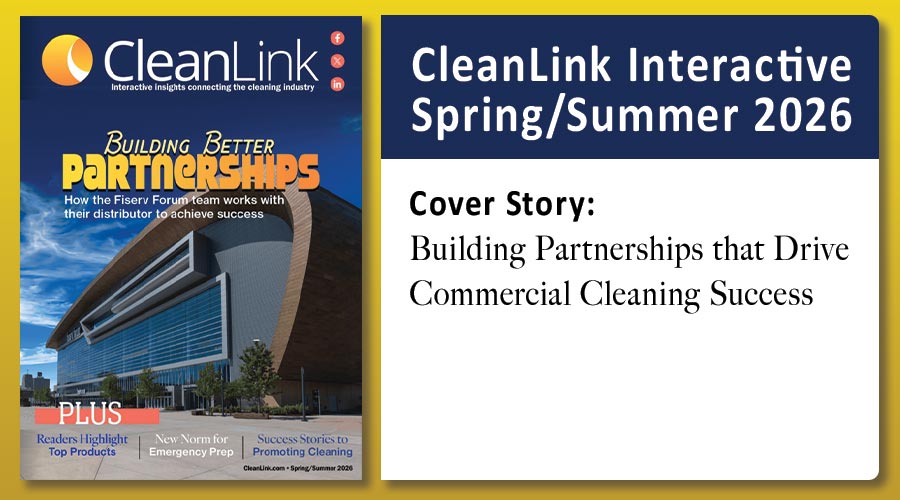
 CleanLink Interactive Spring/Summer 2026 Issue
 Recognizing the 2026 Reader Choice Award Winners
 2026 Emerging Leader Award
 How Surfactant Use is Expanding in Commercial Cleaning
By Lauren Belskie, Marketing Operations Manager of Imperial Brady
You mix your disinfectant correctly. You follow the label. Your team wipes down surfaces throughout the day. Everything looks clean.
But what if your disinfectant is not actually working?
This is a common issue in many facilities. You can be doing everything “right” on paper and still not effectively kill germs due to something most people never think about: the interaction between your disinfectant and your cleaning tools.
If your team is using microfiber cloths or leaving rags soaking in solution, there is a good chance (depending on which active ingredient you choose) your disinfectant could be losing strength before it ever touches the surface. That means bacteria and viruses may still be present even after cleaning.
This hidden problem is called quat binding, and it can quietly compromise your entire cleaning program without any visible warning signs.
What is Quat Binding?
Quats, or quaternary ammonium compounds, are a common active ingredient in many disinfectants. These compounds carry a positive charge and work by attaching to negatively charged microorganisms, disrupting their cell membranes, and ultimately destroying them.
However, this same chemistry can work against you.
Many common cleaning materials such as microfiber cloths and cotton rags carry a negative charge. When quats come into contact with these materials, they are attracted and bind to them instead of staying in solution or on the surface being disinfected.
This process is known as quat binding.
When Does Quat Binding Occur?
Quat binding typically occurs during improper cleaning practices, especially when cloths are left sitting in disinfectant solutions.
Here are the most common scenarios:
Soak and wipe
A cloth is left in a bucket or container of disinfectant for an extended period before use. This is the highest risk method, as quats bind to the cloth and are not released during cleaning.
Dip and wipe
A cloth is dipped into the solution, wrung out, and used. While this reduces immediate binding, over time the cloth still absorbs quats, lowering the solution’s effectiveness.
Spray and wipe
The disinfectant is applied directly to the surface and then wiped. This method avoids quat binding and is considered best practice.
Why is Quat Binding Dangerous?
Quat binding reduces the concentration of active disinfectants in your solution. This means the product may no longer meet the required parts per million (ppm) needed for effective disinfection.
As a result, pathogens may not be fully eliminated, and surfaces that may appear clean are not properly disinfected. This could lead to falling out of compliance with EPA label requirements.
In short, you are using a disinfectant without getting the protection you expect.
Can You See Quat Binding?
No, quat binding is not visible.
There are no visual indicators on the cloth or surface that tell you it is happening. Everything may look normal, even though the disinfectant is no longer working effectively.
The only reliable way to confirm proper disinfectant strength is to test your solution using quat test strips. These measure ppm levels and ensure the disinfectant is still within the effective range.
How to Prevent Quat Binding
Preventing quat binding comes down to using the right procedures and materials.
1. Adjust Your Cleaning Process
If your current process involves leaving cloths in disinfectant solutions, it is time to make a change. Switch to a spray and wipe method whenever possible. Apply the disinfectant directly to the surface, allow for proper dwell time, and then wipe.
2. Avoid Letting Cloths Sit in Solution
Even with dip and wipe, prolonged exposure will lead to binding. Never store cloths in buckets of quat disinfectant.
3. Use the Right Wiping Materials
Choose materials that do not carry a strong charge. Single use disposable wipes or non-woven wipers are ideal because they reduce the risk of chemical interaction and ensure consistent performance.
4. Test Your Solution Regularly
Use quat test strips to verify that the disinfectant is at the correct ppm. This is especially important in high-use environments where solutions are mixed and reused.
5. Follow Manufacturer Guidelines
Always follow both the disinfectant manufacturer’s instructions and the wiper manufacturer’s recommendations. Proper dilution, dwell time, and application methods are critical for effective disinfection.
Quat based disinfectants are powerful for maintaining a safe and sanitary environment, but only when used correctly. Understanding and preventing quat binding ensures your disinfectant performs as intended and helps protect both your facility and the people in it.
The right process, the right tools, and proper verification can make all the difference.
Lauren Belskie is the Marketing Operations Manager at Imperial Brady, where she leads content strategy, SEO, digital marketing initiatives, and educational resources for professionals across the foodservice, janitorial, packaging, and facility management industries.
Lauren holds a Bachelor's degree in Marketing and an MBA from Quinnipiac University. She is a 2024 ISSA Emerging Leader Award recipient, serves as the ISSA New Jersey State Advocacy Leader, and is the ISSA Hygieia Northeast Co Captain. She is also a member of ISSA Hygieia's Recruitment and Onboarding Committee.
With expertise in B2B marketing, content marketing, SEO, and industry education, Lauren has authored hundreds of educational articles, guides, and training resources focused on cleaning and sanitation, foodservice operations, sustainability, workplace safety, packaging, and facility management. She is also a frequent contributor to webinars, industry events, and thought leadership content designed to help businesses improve operational performance and stay informed on industry best practices.
Connect with Lauren on LinkedIn: linkedin.com/in/laurenbelskie.
posted on 5/21/2026
