
 CleanLink Interactive Spring/Summer 2026 Issue
 Recognizing the 2026 Reader Choice Award Winners
 2026 Emerging Leader Award
 How Surfactant Use is Expanding in Commercial Cleaning
Key Takeaways:
• Facility cleaning managers must enforce a dual-process protocol of cleaning first to remove soil, followed by EPA-registered disinfectants to kill lingering pathogens.
• Frontline teams should implement rapid sanitization protocols between classes to disrupt high-touch microbe transmission in educational facilities.
• Electrostatic sprayers are an innovative tool that can provide custodial teams with efficient, broad-spectrum disinfection coverage.
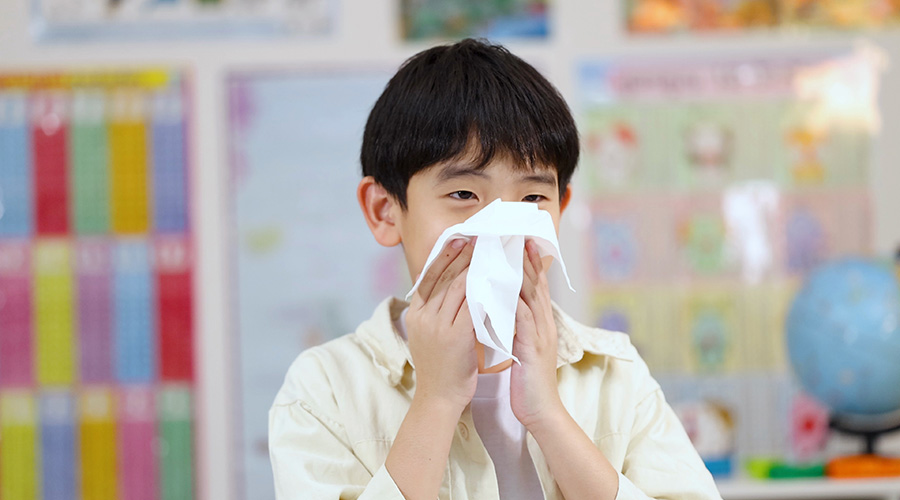
Students are back to school, and with flu season starting, keeping shared spaces clean is a public health priority for parents, teachers, and doctors. According to a 2025 study, surface contamination in public spaces is a common source of infection, with unintentional microbe spread occurring from occupant hands to 13 high-touch surfaces over four hours. Below are seven steps cleaning executives can take to disrupt the chain of infection in shared settings during flu season:
1) Cleaning vs. Disinfecting: What Schools Keep Missing
Wiping a surface is often categorized as a “good clean,” when really, there are germs lurking even after a good swipe of a soapy rag or sanitation wipe. While sanitizing wipes can reduce the number of germs on objects and surfaces, disinfecting with an Environmental Protection Agency (EPA)-registered disinfecting product or a stronger bleach solution kills the remaining germs on surfaces. It’s best to clean and sanitize first and then finish with a disinfectant.
A bustling school can often make cleaning a hassle. After a long morning, and after a break at lunch, exhausted teachers can sometimes take shortcuts when cleaning their classrooms between classes, or they don’t clean it all and wait for the custodians to apply their expertise to a sticky table.
It is highly recommended to clean and sanitize between classes to keep viruses out of classrooms and reduce the number of germs in those spaces. For broader coverage, electrostatic sprayers can apply a mist that clings to the undersides of chairs, desks, and exam tables that wiping often misses. Facilities can do treatment before flu season kicks off and repeat it over time.
2) The Germiest Places in the Classroom
When picturing a classroom and considering which surfaces could be the germiest, desks, colored pencils, or door handles may come to mind. While these surfaces can be germy, there are a few other surfaces that tend to be missed: water fountain spigots, cafeteria trays, and water faucets.
Those three surfaces top the list for germs, according to the NSF. Not only should frontline teams disinfect these surfaces just as much as a desk, but also clean them multiple times a day as children continue to use them.
3) Highlighting Germs in the Doctor’s Office
When a child sees a colorful toy in a waiting room, it doesn’t matter to them whether the kid playing with it before was sick—they’re adamant on getting their hands on it. Waiting rooms that aren’t properly disinfected in between appointments can become hubs for germ transmission.
The flu virus can linger on hard surfaces for up to 48 hours, meaning offices should clean and disinfect several times a day rather than just once at the end of the day. These facilities should pay close attention to waiting room chairs, magazines, toys, and doorknobs.
4) Common Mistakes with Cleaning and Disinfecting
Facility cleaning managers and custodians often skip surfaces, especially if they already look clean. Cloths used for cleaning spread germs if they aren’t properly washed. Staff often spray disinfectants and wipe them immediately.
The cleaning that happens in schools and offices can be undone within minutes once students and patients are back. Frontline teams should wash cloths every day, color-coding or labeling them to ensure germs aren’t spread from one room to another. Proper disinfectants that are EPA-registered should be used, and most times require one to 10 minutes on a surface. Additionally, a deep disinfection, like an electrostatic spray, works best after hours when surfaces can sit through the full dwell time. All these elements—used properly—perform better over time.
5) Fall is Germs’ Peak Season
Cooler, drier air gives viruses the opportunity to survive and spread more easily. In this kind of climate, when someone sneezes or coughs, it dries out quickly and then turns into smaller aerosol particles that can stay in the air longer. Also, that cold, dry air cools the nasal passages, which slows immune cell activity, making it easier to contract viruses.
Schools are packed with children who tend to skip hand washes to make sure they don’t miss a second of recess, and doctors’ offices are filled with children with runny noses who share toys. Weakened immune systems and shared germs are the perfect recipe for an outbreak.
Cleaning managers can take precautions in these environments by making sure proper hand hygiene is happening, as well as by adhering to cleaning and disinfecting protocols in spaces where sick people gather.
6) How Germs Travel Through Touch
One of the easiest ways to get sick is through touch. If handwashing isn’t good enough, spreading germs to surfaces or someone else’s hands becomes extremely easy. Germs travel through touch by physically moving from one source to another, or a new host. Those germs can then enter the body through breaks in the skin or mucous membranes. This makes hand hygiene compliance essential in infection prevention.
7) Getting Ahead of Flu Season
As commercial cleaning operations gear up for flu season—and everything that comes with it—there are several things facilities can do to safeguard their staff and occupants as the colder months approach.
First, facility cleaning managers can increase the disinfection of high-touch surfaces. Disinfect desks, faucets, light switches, doorknobs, and other surfaces that come into frequent contact with occupants daily, at a minimum, using EPA-registered disinfectants.
Next, cleaning operations must separate cleaning from disinfecting. Dirt and residue can shield germs, so it’s best to start by cleaning surfaces with soap and then disinfecting them with EPA-registered disinfectants. Giving custodial employees training on this two-step process, as well as on rotating cloths or using disposable cloths, would be beneficial. Facilities can also employ electrostatic spray treatment before flu season kicks off.
Third, facilities should set up hand hygiene stations. Placing alcohol-based hand sanitizer that’s at least 60 percent alcohol at entrances, waiting rooms, classrooms, and in the gymnasium encourages routine hand hygiene. Frontline teams can also enhance handwashing compliance by ensuring soap and paper towels are always stocked in restrooms.
Improving ventilation and indoor air quality (IAQ) is another important contamination deterrent. Cleaning surfaces isn’t enough since viruses can spread through the air. HVAC systems should be serviced multiple times a year. Upgrading to HEPA filters, increasing outdoor air intake, and adding air purifiers to spaces like classrooms and waiting rooms can also improve IAQ.
Finally, cleaning operations should consider reducing shared items and creating a preventative action plan. In the case that schools or doctors’ offices see a surge in viruses, these spaces should remove or limit shared objects, like toys in waiting rooms or communal pencils. Even the implementation of a clean/used bin section can communicate which items can be used and which require cleaning and disinfecting first. Facilities can also write a seasonal cleaning protocol checklist and an action plan for outbreaks. For example, operations could create a system addressing how to complete a full disinfection of a classroom or exam room after a confirmed flu case.
Tod Bierling is the Senior Vice President of Strategic Initiatives for Enviro-Master, a leading U.S. health and safety franchise company that provides comprehensive hygiene, sanitation, and facility maintenance. He has expanded this commercial cleaning company into a nationally recognized system, with 10 consecutive Franchise 500 recognitions.
posted on 10/27/2026
