
 CleanLink Interactive Spring/Summer 2026 Issue
 Recognizing the 2026 Reader Choice Award Winners
 2026 Emerging Leader Award
 How Surfactant Use is Expanding in Commercial Cleaning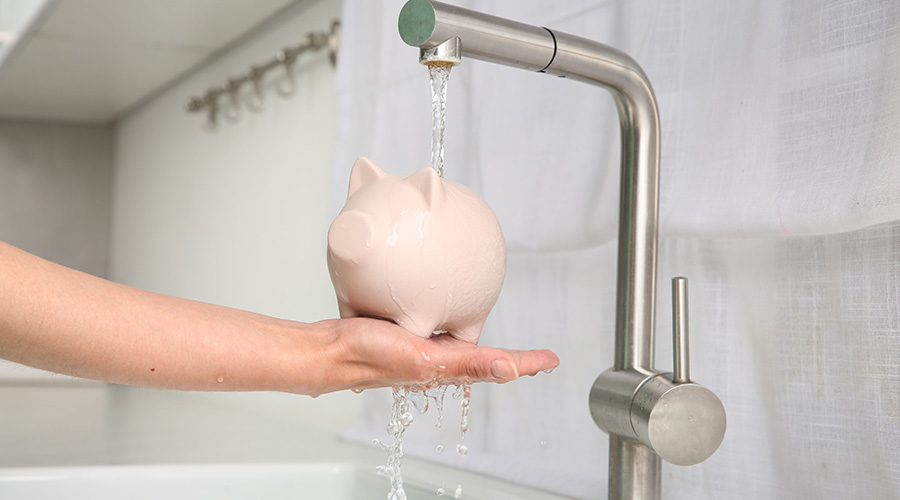
At present, more than 50 percent of the U.S. is experiencing drought conditions, directly impacting over 150 million people across 48 states. According to Andrew Ellis, a Climatologist at Virginia Tech, this is likely just the beginning of a long, dry summer.
With active La Niña conditions currently gripping parts of the western United States, Ellis explains that, "the fall and winter season storm track typically moves farther north along the U.S.-Canadian border, leaving the Southern U.S. without the storm dynamics needed to generate precipitation.”
He adds that while a lack of precipitation is the primary driver of these drought conditions, “increased air temperatures lead to greater water loss from the soil through evapotranspiration, intensifying the effects of dry spells.”
An Industry Ripple Effect
These severe dry spells stretch far beyond residential water restrictions; they threaten core commercial sectors.
“Drought conditions like this will impact almost all industries, including building management, professional cleaning, manufacturing, and even winemaking,” says Klaus Reichardt, Founder and CEO of Waterless Co., Inc.
Take California's Napa Valley, which supplies a vast portion of the wine marketed in the U.S. The region has been battling severe water scarcity, with January to April 2026 marking the 42nd driest period in the wine country in 132 years.
Even more alarming is the state of the Colorado River basin. Since 2000, the Colorado River—which supplies water to seven U.S. states—has experienced a 20 percent drop in overall streamflow alongside rising average temperatures. It is a perfect storm for extreme, prolonged drought.
Because weather is not reliable, a fundamental shift in how commercial properties handle water infrastructure is necessary.
Prioritizing Water Efficiency
While Ellis warns that late-summer weather shifts might bring temporary relief, they also carry the risk of damaging winds and sudden flash flooding rather than steady replenishment.
Reichardt argues that long-term water efficiency—centered on advanced water-saving technologies and restroom fixtures that use no water at all—is the most reliable path forward.
“Water efficiency reduces consumption, lowers power bills, and reduces carbon emissions,” Reichardt says. “It’s a win-win-win no matter how you look at it.”