
 CleanLink Interactive Spring/Summer 2026 Issue
 Recognizing the 2026 Reader Choice Award Winners
 2026 Emerging Leader Award
 How Surfactant Use is Expanding in Commercial Cleaning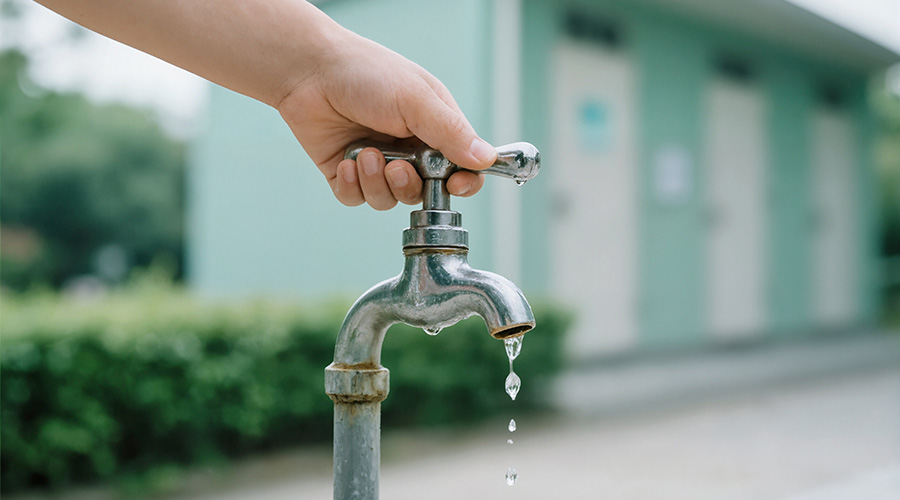
With the wet and cold winter weather nationwide, some facility managers and building service providers may assume drought concerns are in the past. While recent storms have brought beneficial precipitation and eased drought in areas such as the Southern Plains, Midwest, South, and East, drought is not over.
According to a U.S. Drought Monitor report, about 36 percent of the United States and Puerto Rico remain in drought, with conditions worsening in parts of the West due to limited snowpack and precipitation.
Klaus Reichardt, CEO and Founder of Waterless Co. Inc., Vista, California, believes this should raise alarms for commercial cleaning executives. To Reichardt, it is imperative to recognize drought as a long-term condition rather than a short-term issue.
"A wet period can help, but much of that water runs off into rivers or evaporates as temperatures warm in spring," he says. "Only a portion filters deep enough to recharge groundwater and aquifers that supply water for most commercial and institutional facilities today."
Regional Impacts on Building Operations
According to Reichardt, facility managers and building service providers in these areas should prepare for continued water challenges.
Southwest Region: Arizona, Colorado, New Mexico, Utah, and Wyoming had their warmest December on record, resulting in below-normal early-winter snowpack that feeds municipal water systems.
Southern Plains: Texas and Oklahoma are likely to experience below normal precipitation and warmer weather in 2026, affecting commercial water availability.
Southeast: Drought conditions in Georgia and Alabama are likely to persist, even if wetter weather arrives.
Facility Action-Steps
Commercial cleaning leadership in drought-affected regions should expect water restrictions that can directly impact daily operations.
"Managers may face mandatory usage restrictions, which can negatively impact cleaning schedules, use of cooling systems, and landscaping," notes Reichardt.
"They'll also see higher utility rates as water providers struggle to meet demand during drought."
Reichardt advises facility managers and building service teams to implement water-saving measures now rather than waiting for mandatory restrictions. Rather than focusing efforts on water conservation alone, cleaning management can also engage with water efficiency solutions.
"This challenge goes beyond simple conservation," Reichardt explains. "It requires water efficiency through upgrades like low-flow or no-flow restroom fixtures and HVAC and irrigation systems that minimize evaporation. These investments safeguard both operations and budgets long-term, no matter the weather."