
 CleanLink Interactive Spring/Summer 2026 Issue
 Recognizing the 2026 Reader Choice Award Winners
 2026 Emerging Leader Award
 How Surfactant Use is Expanding in Commercial Cleaning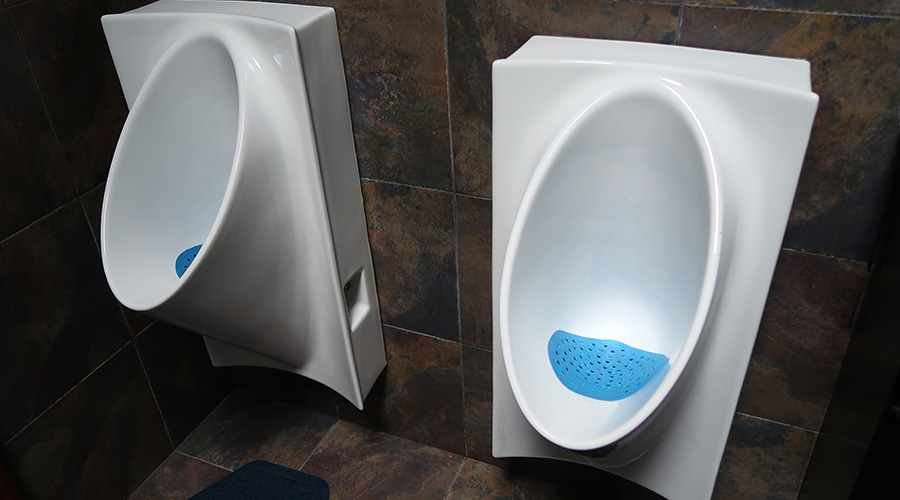
Water costs are rising fast—and building managers are responding by ditching the flush.
A February 2026 survey by Waterless Co., Inc. asked building managers across Southern California and Arizona why they chose no-flush urinals for their facilities. The key reasons were saving water and cutting costs.
"The primary driver remains water savings," says Klaus Reichardt, CEO and Founder of Waterless Co. "But right behind that is the impact on water and sewer utility bills—and those bills have gotten significantly harder to ignore."
The numbers explain why. In parts of Arizona, water rates have surged as much as 50 percent since 2022, driven largely by reduced water allocations to the state. In Southern California, rate increases ranging from 20 to 60 percent have hit customers depending on their district. With no relief in sight, managers are looking for every opportunity to cut consumption and costs.
Beyond the savings, managers cited several additional reasons for making the switch:
1. Lower maintenance costs: With no flush valves, handles, or sensors, there are fewer parts to break and fewer repair calls to make.
2. Occupant appeal: Environmentally conscious occupants increasingly expect green building practices.
3. Better odor control: Liquid sealant cartridges block sewer gases effectively when properly maintained.
4. Touchless hygiene: No handle or sensor means one less surface for germ transmission.
5. Simpler installation: No water supply line is needed, making retrofits faster and less expensive.
6. Greater placement flexibility: Fixtures can be installed in locations where running plumbing would be difficult.
With the switch, managers acknowledged trade-offs. When implementing no-flush urinals, facility managers experienced occasional pushback from building occupants who were skeptical of the technology. Commercial cleaning executives also needed to provide specialized training for frontline teams.
But Reichardt says those concerns rarely override the bottom line. "Resoundingly, the primary drivers are water savings and cost savings—especially in drought-prone regions of the country."