
 CleanLink Interactive Spring/Summer 2026 Issue
 Recognizing the 2026 Reader Choice Award Winners
 2026 Emerging Leader Award
 How Surfactant Use is Expanding in Commercial Cleaning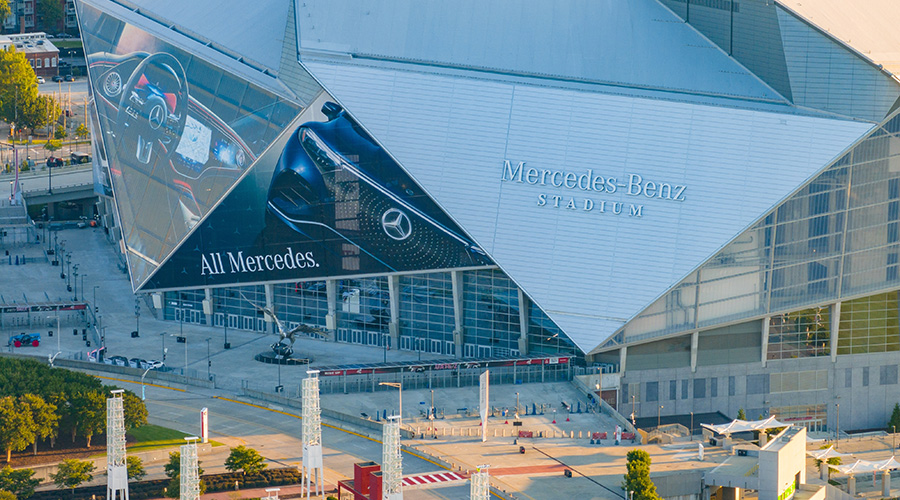
The World Cup is the biggest event this year. Outside the major storylines like Cape Verde's Cinderella story, Mbappe versus the senator from Paraguay, and whether Messi has one more title charge left in him, everyone can't stop talking about the stadiums, traffic, hotels, and restaurants.
When millions of fans flood cities, the real test of public infrastructure is often much less glamorous.
One of the few places where crowd planning becomes personal is the restroom. When it works, nobody notices. When it fails, everyone remembers. New York officials warned before the tournament that the city had roughly one public restroom for every 8,500 residents, even as the region prepared for an estimated 1.2 million World Cup visitors. Atlanta had its own issue near the Mercedes-Benz Stadium, where public restroom access was not guaranteed. And in Seattle, officials had already collected 45,000 pounds of trash during World Cup matches, with overflowing bins complicating disposal efforts.
In other words, the restroom and trash problem is not theoretical. It is the reality of what happens when global crowds meet everyday infrastructure.
"Historically, restrooms were treated like background space," says Eshawn Pascal, Managing Director of Hand Dryer USA. "Now, for many facilities, they've become strategic. When crowds show up, the restroom is one of the first places where poor planning gets exposed."
According to a global survey, an unhygienic restroom reflects poorly on public perception of an establishment. A steady user flow leads to dirt, debris, and surface contamination, making routine maintenance necessary. Moreover, restroom care can be costly as it consumes nearly 60 percent of all facility supplies.
To minimize long lines and overflowing trash that can compromise the restroom experience, commercial cleaning executives operating in high-traffic facilities can invest in jan/san supplies and systems that keep up. Touchless dispensers reduce cross-contamination risks and support sustainability initiatives. High-capacity paper towel and toilet paper rolls can maintain a consistent supply and require less changeouts. Strategically sized waste receptacles in optimal placements limit slip hazards produced by paper towel waste, which is considered the leading factor in unclean restrooms.
Additionally, innovations, such as smart equipment and sensors, can provide real-time feedback about hygiene and stocking needs, allowing frontline staff to address cleaning tasks as needed. These digital tools save on time, a coveted commodity in an industry where budget constraints have resulted in increased labor needs.