 CleanLink Interactive Spring/Summer 2026 Issue
 Recognizing the 2026 Reader Choice Award Winners
 2026 Emerging Leader Award
 How Surfactant Use is Expanding in Commercial Cleaning
From historic heatwaves to flash flooding, extreme weather has had a lasting effect on facilities across the country. As climate change increases the likelihood of inclement weather, facilities must prepare for possible supply chain disruptions and staff safety. Preventative measures for weather emergencies can minimize operational disruptions and enhance worker well-being.
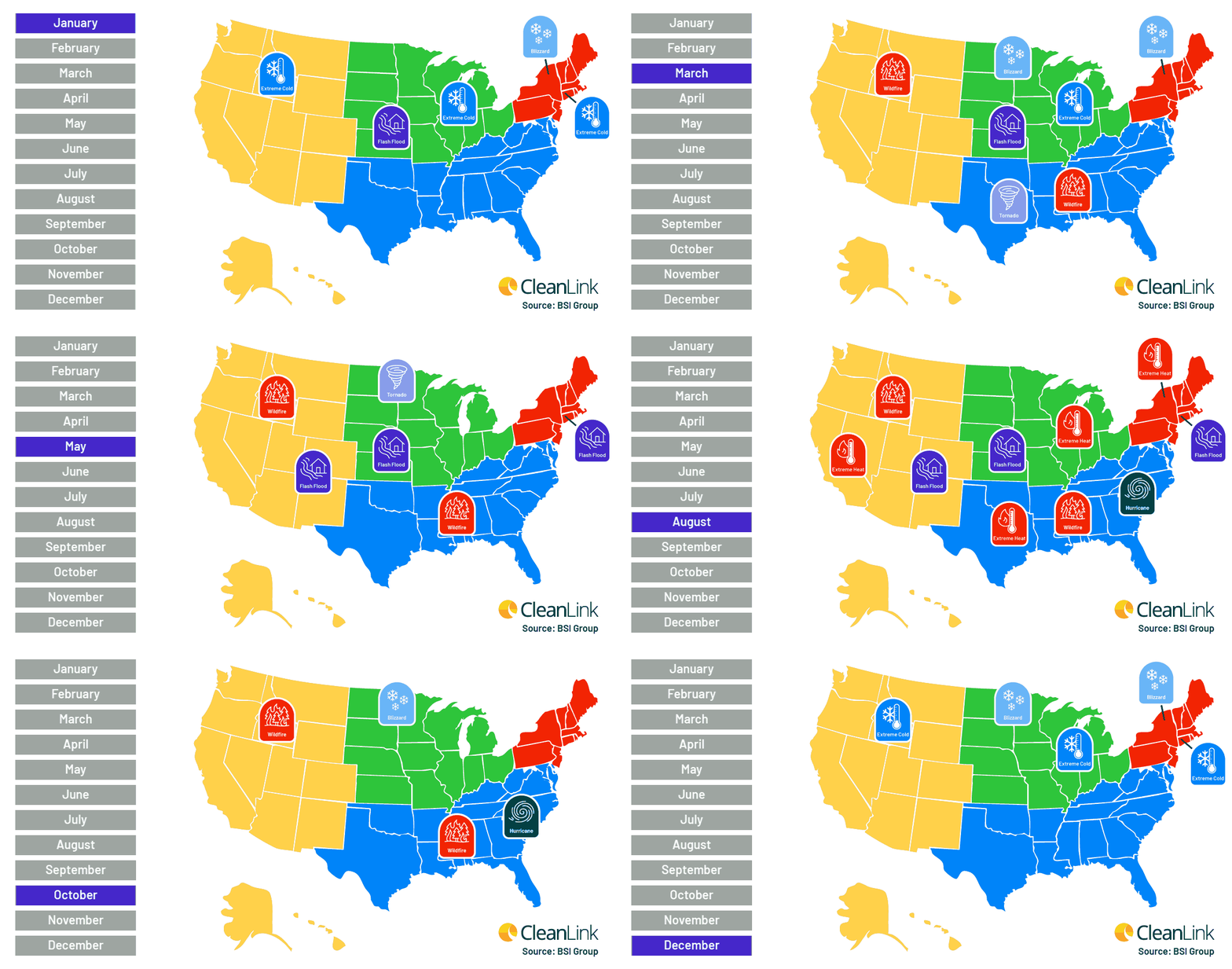
As summer approaches, different regions can anticipate distinctive extreme weather events:
Western Regions: The West is susceptible to flash flooding, extreme heat, and wildfires.
Great Plains Regions: The Midwest is prone to flash floods, tornadoes, and extreme heat.
Southern Regions: Southern states may see hurricanes, extreme heat, and wildfires.
Eastern Regions: The East may see increased flash flooding and extreme heat activity.
Employers nationwide should proactively evaluate and update emergency response plans. Ensure employees are versed in their roles should extreme weather occur. Specifically, run drills and solicit feedback to improve upon preexisting plans. As a result, frontline staff should know where to go, how to shut down and store equipment safely, and how to communicate throughout.
Communication clarity is imperative during inclement weather. Each cleaning crew should have access to various mediums that allow them to communicate in their preferred language. Moreover, frontline teams should have a step-by-step plan on who they communicate with and how to log incidents during and at the conclusion of an event. This streamlined process will ensure timely information is given to relevant parties and ensure the safety of all participants.
Following a weather emergency, cleaning crews may need to carry out an inspection to determine the new needs of a facility. For instance, in the event of a flash flood, frontline teams should check if the power is off before removing debris and water. For recurring wildfires, monitoring and replacing HVAC and ventilation systems can improve indoor air quality. In any case, wearing personal protective equipment (PPE) is necessary to safeguard staff regardless of the weather.
As extreme weather becomes the new norm, preparedness must become an industry standard.