
 CleanLink Interactive Spring/Summer 2026 Issue
 Recognizing the 2026 Reader Choice Award Winners
 2026 Emerging Leader Award
 How Surfactant Use is Expanding in Commercial Cleaning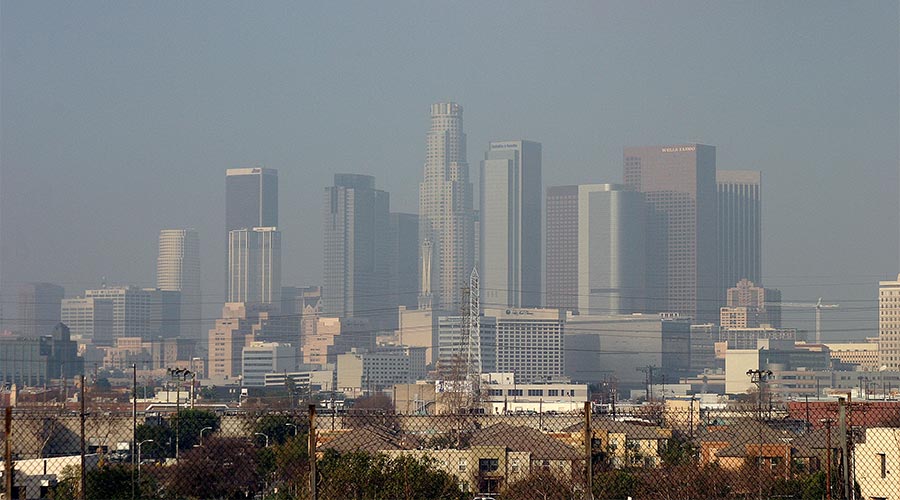
A new study shared the adverse impacts of indoor air quality (IAQ) following the 2025 Los Angeles wildfires, The Orange County Register reports. The University of California, Los Angeles (UCLA) report sampled indoor and outdoor volatile organic compounds (VOCs) to determine the post-wildfire impact in interior spaces following wildfire exposure. According to Phys Org, the results reveal that smoke damage has adverse effects on indoor environmental safety due to continued VOC emissions lasting long after a fire.
The Environmental Protection Agency (EPA) recommends preventative measures for public buildings to mitigate wildfire smoke emissions. Proactive solutions suggested in its Best Practices Guide for Improving Indoor Air Quality in Commercial/Public Buildings During Wildland Fire Smoke Events include improving Heating, Ventilation, and Air Conditioning (HVAC) filtration systems; implementing portable air cleaners (PACs); reducing indoor sources of air pollution; and utilizing air sensors to monitor air pollutants. Reassessing current filtration technology is necessary, CleanLink adds, as a Metalmark scientific paper found flaws in prior filtration systems.
Fire seasons in the United States have increased in intensity and duration, with reports from the National Interagency Fire Center (NIFC) indicating that in April of 2025, fire counts were 57 percent higher than the 10-year average. The International Facility Management Association (IFMA) states that the impact of these wildfires extends beyond buildings, as exposure to chemical emissions has been linked to health concerns—including respiratory, heart, and neurological illnesses. ASHRAE Guideline 44 outlines methods to reduce prolonged wildfire impacts on IAQ in ways that promote building and human health and safety. As all facilities face different challenges, the most important component of this guideline is the creation and administration of a smoke-readiness plan (SRP), the National Collaboration Centre for Environmental Health (NCCEH) shares.