
 CleanLink Interactive Spring/Summer 2026 Issue
 Recognizing the 2026 Reader Choice Award Winners
 2026 Emerging Leader Award
 How Surfactant Use is Expanding in Commercial Cleaning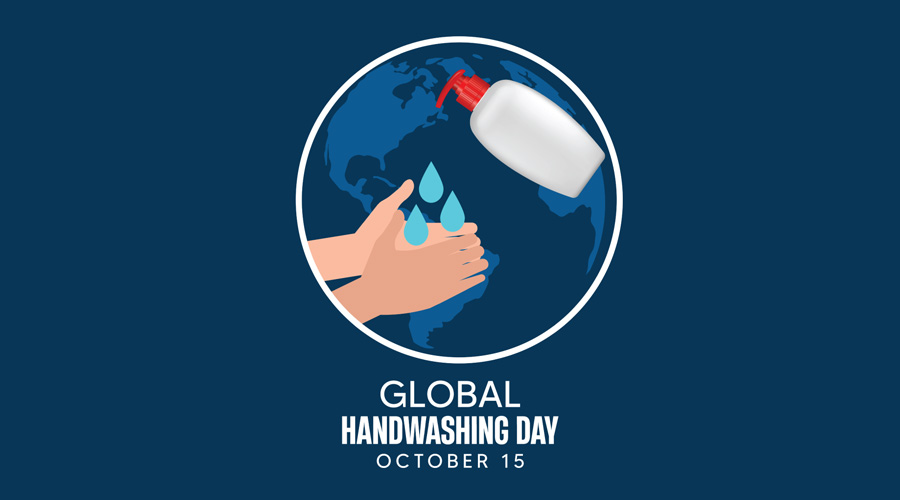
Annually, the industry recognizes the impact of hand hygiene on public health by celebrating Global Handwashing Day. Held each year on October 15, this event illustrates the importance of handwashing in infection prevention and control. Although hand hygiene remains essential in mitigating the spread of infectious diseases, compliance continues to be a challenge.
Recently, the American Journal of Infection Control published research outlining solutions to enhancing effective handwashing procedures, particularly among healthcare personnel. One of the measures mentioned in the report is to mitigate environmental cross-contamination by addressing handwashing sinks and sink drains. Sink traps can harbor antibiotic-resistant bacteria and accumulate biofilms, even leading to epidemics like that of the 2017 carbapenemase-producing Enterobacterales (CPE) outbreak at the Toho University Omori Medical Center in Tokyo.
Public and staff compliance is also integral to improved infection prevention. The absence of public education and peer pressure can lead to unhygienic actions. In fact, one in five people admit they are likely to skip washing their hands after using the restroom when they’re alone, as affirmed by Bradley Company’s 2026 Healthy Handwashing Survey. This 20 percent lack of hand hygiene follow-through adds to the ongoing outbreaks impacting the country.
Topping the list of nationwide epidemics is measles. Of all 4,080 cases confirmed by the Centers for Disease Control and Prevention (CDC), 96 percent are outbreak-associated. The sheer volume of those infected resulted in New York Governor Kathy Hochul declaring a State Disaster Emergency. To combat climbing cases, handwashing is essential.
Cleaning executives can encourage hand hygiene through facility design and product implementation that optimize accessibility and align with public preferences. According to the 2026 Clean Hands Index, 68 percent of respondents prefer touch-free cleaning systems. These tools reduce contact points, minimizing opportunities for the spread of contagions.
Product availability matters, too. Around 91.7 percent of those surveyed share that soap availability is the top factor driving compliance. Frontline staff should refill soap dispensers on a set schedule that aligns with the facility’s foot traffic and restroom usage. For operations using smart dispensing technology, frontline teams should address empty soap dispensers when they are alerted in a timely manner.