
 CleanLink Interactive Spring/Summer 2026 Issue
 Recognizing the 2026 Reader Choice Award Winners
 2026 Emerging Leader Award
 How Surfactant Use is Expanding in Commercial Cleaning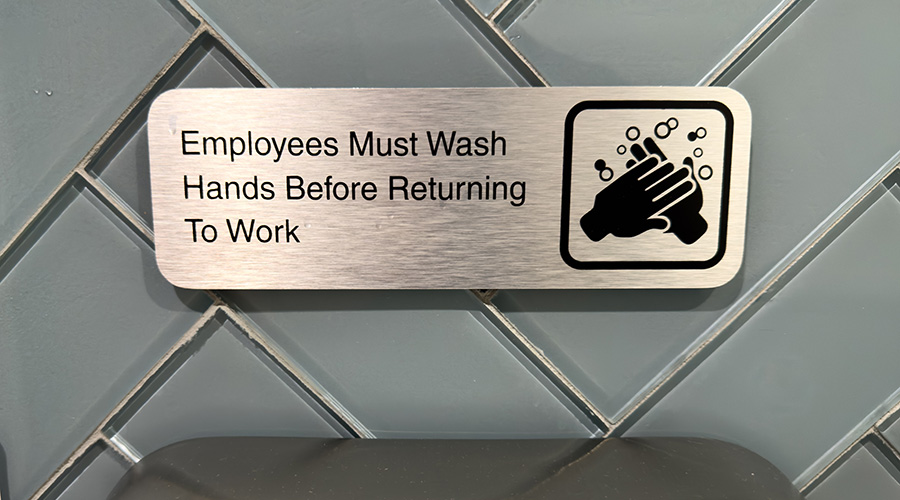
A hand hygiene analysis highlights how facility environments can enhance handwashing compliance. Findings from the 2026 Clean Hands Index determine that only 7.1 percent of evaluated facilities contain systems that support proper handwashing protocols. With flu season on the horizon, commercial cleaning executives can prioritize public health by ensuring environments are conducive to handwashing needs.
Handwashing is imperative in infection control. Washing hands following restroom usage is especially essential, as these environments are commonly associated with outbreaks such as adenoviruses, norovirus, and Hepatitis A. Although 93 percent of people believe handwashing and health go hand in hand, one in five admit they skip this step in the absence of public pressure.
Facility cleaning managers can encourage proper hand hygiene practices by engaging with public preferences. According to the Clean Hands report, 68 percent of respondents say they want a touch-free experience throughout their restroom occupancy. This desire extends to faucets, soap and paper towel dispensers, as well as exits.
Touch-free appliances can protect building occupants, but touch-free cleaning systems can safeguard staff. In fact, some systems can remove up to 60 percent more dirt and bacteria from restroom surfaces than the average cleaning crew, mitigating contamination and supporting worker well-being.
Soap is critical, as 91.7 percent say soap availability is the biggest determinant of hand hygiene compliance. Research by Dr. Charles Gerba, Professor of Virology at the University of Arizona's Department of Environmental Science, found that only half of people use soap when washing their hands after using a public restroom. Facility cleaning managers can invest in sensor-based systems to measure hygiene events and alert staff when refills are required in real time.
In the end, improved facilities can result in improved returns on investment. Nearly 75 percent of survey respondents share that enhanced handwashing facilities increase the likelihood of their return. Prioritizing restroom care and accessibility can support healthier hand habits, creating a cleaner and safer environment.
Access the remainder of the report here.