
 CleanLink Interactive Spring/Summer 2026 Issue
 Recognizing the 2026 Reader Choice Award Winners
 2026 Emerging Leader Award
 How Surfactant Use is Expanding in Commercial Cleaning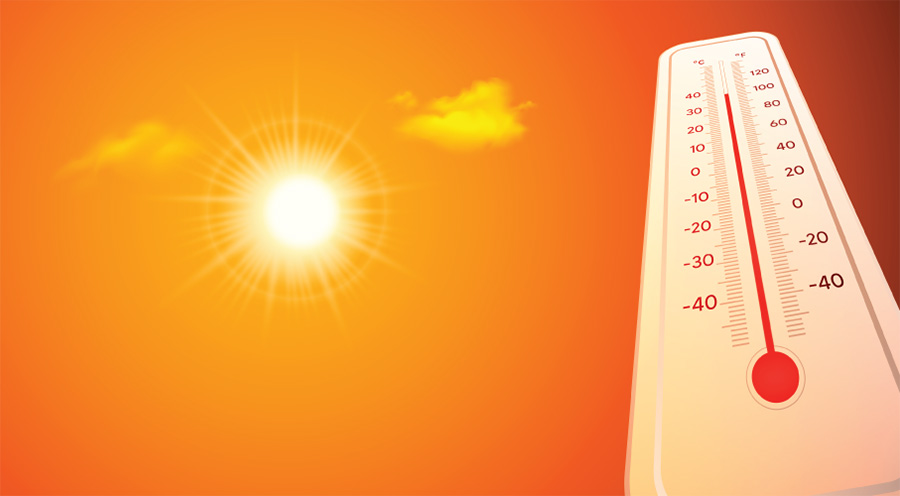
Record-breaking heatwaves and a summer projecting extreme heat hazards raise concerns for frontline worker safety.
According to temperature forecasts, 140 million people nationwide may experience temperatures over 90°F. These above-average temperatures—attributed to climate change—could be further exacerbated by a super El Niño, which could create record rainfall and warm temperatures. For cleaning crews, these extreme weather risks can compromise their safety and health.
Revisions to the Occupational Safety and Health Administration’s (OSHA) National Emphasis Program build on current compliance and prevention practices. As three out of four heat illness fatalities may occur during the first week of work, facility management and commercial cleaning executives should review their heat plan and train workers on heat illness signs and protocols.
Cleaning systems can also address heat-related hazards. The Centers for Disease Control and Prevention (CDC) recommends acclimatizing to hot environments, increasing employees’ time in hot conditions gradually, alongside proper hydration and rest breaks as needed. Other resources, including the Urban Heat Action and Policy Database, demonstrate how city-wide infrastructure can support staff adaptability to heat vulnerability.
Coinciding with National Safety Month, it is always imperative to recognize the strategies and systems that preserve workers’ well-being. To learn more about preventative measures safeguarding staff against extreme weather events, click here.