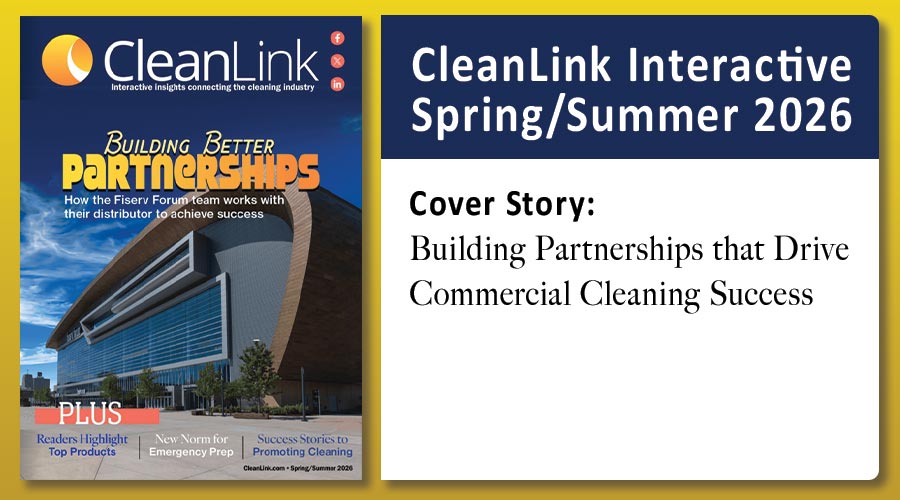
 CleanLink Interactive Spring/Summer 2026 Issue
 Recognizing the 2026 Reader Choice Award Winners
 2026 Emerging Leader Award
 How Surfactant Use is Expanding in Commercial Cleaning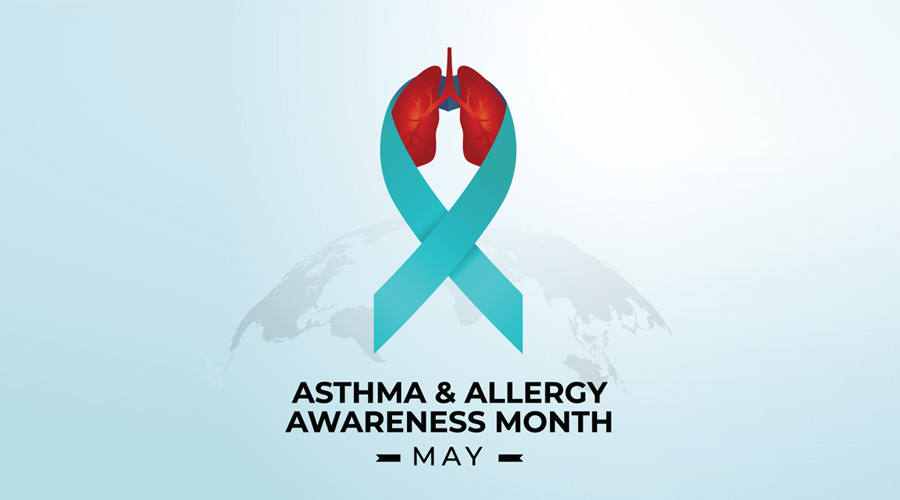
April showers bring May flowers...and high pollen counts. According to the Asthma and Allergy Foundation of America (AAFA), May marks National Asthma and Allergy Awareness Month. Warm weather ushers in allergen season, making indoor air quality (IAQ) a critical component of any cleaning system.
According to the 2026 Allergy Capitals report, climate change is impacting the severity and duration of allergy season. Shifts in temperatures alongside extreme weather events are changing the topoclimates of each region. For example, while cities in the Southeast region have typically held the title of “most challenging cities” for seasonal pollen allergies, cities within the top 20 in 2026 were found in the West.
Currently, climate prediction models forecast a super El Niño weather pattern. This unprecedented event could result in record rainfall and hot temperatures nationwide, contributing to growing pollen and allergen activity.
Airborne pollen affects the outdoor and indoor environmental health of facilities. On the outside, pollen buildup can coat exterior surfaces and rapidly re-contaminate. Frontline teams will need to prioritize cleaning frequency and consistency, addressing loose pollen before remaining debris. On the inside, it’s all about IAQ. Interior needs should prioritize ventilation, temperature levels, and high-touch surfaces.
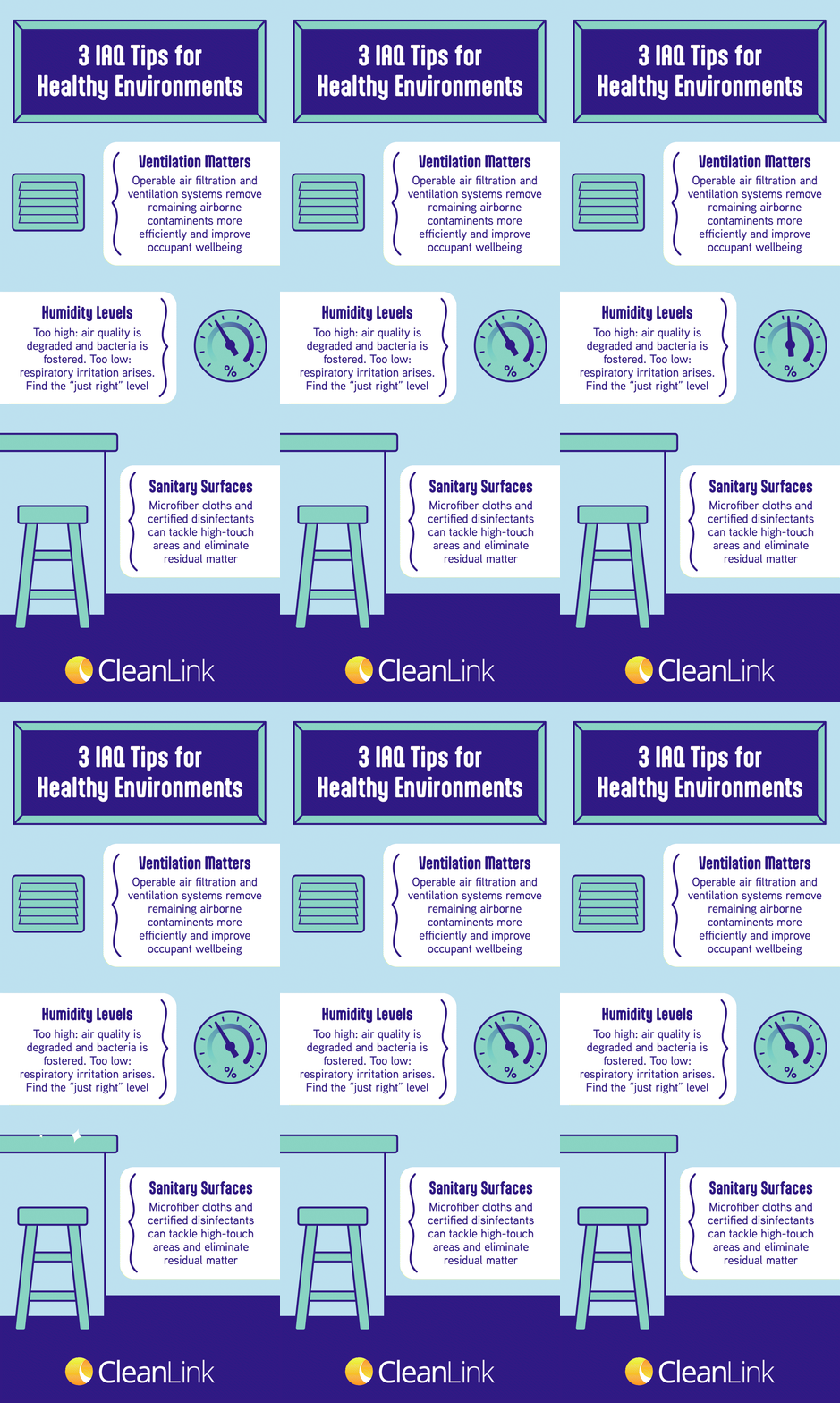
Below are three tips on how to create and maintain healthy environments, providing a solution to the ongoing public health crisis caused by airborne contaminates.