
 CleanLink Interactive Spring/Summer 2026 Issue
 Recognizing the 2026 Reader Choice Award Winners
 2026 Emerging Leader Award
 How Surfactant Use is Expanding in Commercial Cleaning
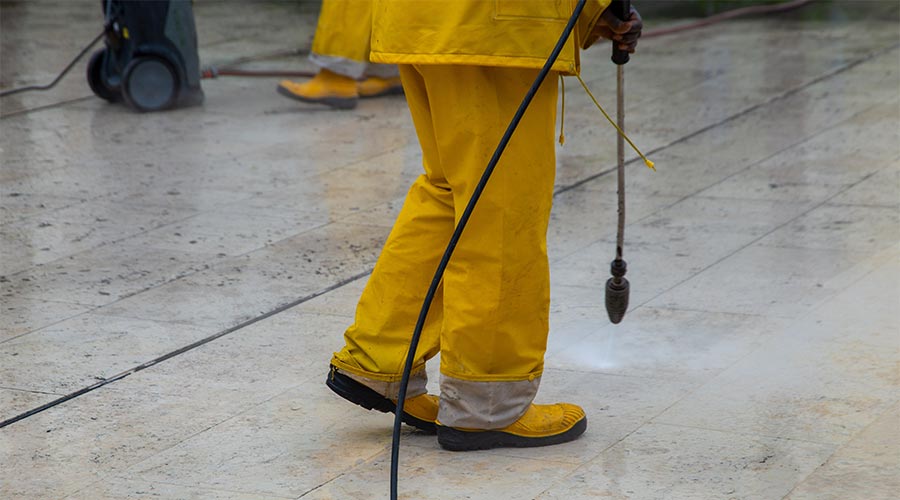
Natural stone flooring—whether marble, limestone, granite, terrazzo, or travertine—sets the tone for elegance and craftsmanship in any property. These surfaces reflect the building’s brand: luxurious hotels use them to make a dramatic first impression; hospitals rely on them for durability and cleanliness; commercial spaces value their longevity and aesthetic appeal. But stone is a living material. It breathes, reacts, absorbs, and ages. Proper maintenance is not just a task—it is a long-term stewardship of a premium asset.
Below is a comprehensive guide to maintaining natural stone flooring to preserve beauty, ensure safety, and maximize lifecycle value.
1. Understand Your Stone: Composition Matters
Each type of natural stone has unique characteristics, and maintenance should always begin with understanding what you’re working with.
- Marble: Soft, porous, and primarily calcium carbonate. Vulnerable to acids, etching, and scratching.
- Limestone: Similar to marble but even more porous. Requires diligent sealing.
- Travertine: Contains natural holes and pits; often filled and requires consistent sealing and polishing.
- Granite: Hard and dense. Resistant to scratching (Less prone to scratching) but still susceptible to staining without proper sealing.
- Terrazzo: A composite of stone chips and cement or resin, often finished to a high shine. Maintenance requirements depend on the binder type.
Knowing the stone type ensures you avoid products that damage or dull the finish. For example, acidic cleaners—common in many multipurpose products—will damage marble and limestone within seconds.
2. Daily Maintenance: Consistency is Key
Routine care is the foundation of stone preservation. Daily attention reduces long-term deterioration.
Dust Mopping
The first line of defense is removing dry dirt and grit. Dust and sand act like sandpaper under foot traffic. Use a treated dust mop or microfiber flat mop one to three times per day depending on traffic levels.
Damp Mopping
Use a neutral-pH stone-safe cleaner diluted according to manufacturer instructions. Avoid bleach, acidic cleaners, or harsh disinfectants not designed for stone.
High-Traffic Zones
Entrances, hallways, and lobby pathways require more frequent attention. A strong walk-off mat program (10–12 feet) prevents the majority of harmful grit from entering the building.
3. Sealing: Protecting the Surface
Sealers help with daily maintenance by repelling everything to the surface, so it can be cleaned easily. Sealers also help to prevent stains from occurring.
Penetrating (Impregnating) Sealers
These go below the surface and protect from within. They do not add gloss but safeguard against liquids and oils.
Topical Sealers
These create a thin protective film on the surface. They can increase shine but may alter the stone’s natural appearance and require more routine maintenance. These are usually not recommended for natural stone because they can create long term irreversible damage.
Frequency of Sealing
Depends on use, stone type, climate, and traffic levels. As a general benchmark:
- Marble, limestone, travertine: every six to 12 months
- Granite: every 12–24 months
- Terrazzo: depends on finish—cementitious terrazzo may require more frequent sealing than epoxy terrazzo
A simple water-bead test helps determine if resealing is needed: if water no longer beads and begins absorbing quickly, it’s time to reseal.
4. Polishing and Honing: Restoring the Finish
Natural stone can lose its luster over time due to friction, spills, improper cleaners, and foot traffic.
Polishing
Polishing restores shine using fine abrasives and/or polishing powders. Polishing is ideal for high-profile areas like lobbies, elevator banks, ballrooms, and reception areas.
Honing
Honing removes deeper scratches and etches using coarser abrasives. This is typically performed by trained stone-care technicians using specialized equipment.
Crystallization (for marble and terrazzo)
Crystallization is a process that uses heat, pressure, and chemicals to harden the surface. While it enhances shine and durability, it must be performed correctly to avoid over-crystallization or surface degradation.
5. Spot Care and Spill Response
Speed matters with natural stone.
- Oil-based spills: Use poultice paste or stone-safe degreaser.
- Coffee, tea, wine: Gently clean using a neutral stone cleaner; avoid scrubbing with abrasives.
- Acidic spills (juice, soda, alcohol): Blot immediately, but do not wipe aggressively. These may cause etching on calcium-based stones.
- For hospitals and kitchens, where disinfectants are required, always choose EPA-registered products specifically formulated for use on natural stone.
6. Deep Cleaning and Restoration
Even well-maintained floors need periodic deep cleaning.
Deep Cleaning
- Performed quarterly or semi-annually using:
- Automatic scrubbers with soft brushes or pads
- Stone-safe deep-cleaning solutions
- Grout and edge-detailing tools to eliminate buildup
- Truck mount tile / grout cleaning equipment to power down into the pores on the surface
Restoration
For severe wear or neglected floors:
- Grinding (flattening the surface)
- Honing (removing scratches/etches)
- Polishing (restoring gloss)
- Sealing (final protection)
Restoration extends the life of stone dramatically—often adding 10–15 years to the surface lifecycle when performed by certified technicians.
7. Preventive Maintenance: The Long-Term Strategy
The most beautiful stone floors in the world stay that way due to prevention, not correction.
Key Components include:
- Walk-off mats at exterior entries
- Furniture glides / felt on the bottom of chairs and tables
- Regular inspections for wear patterns
- Training programs for housekeeping and maintenance teams
- Clearly written SOPs that outline products, frequencies, and equipment to use
- Partnership with a certified stone expert for periodic evaluation and maintenance
High-end facilities often schedule quarterly or biannual stone-care audits to stay ahead of degradation.
8. The Value of Professional Stone Care Partners
Stone care is a specialized craft. Professional stone-care companies bring:
- Advanced equipment
- Knowledge of mineral composition
- Restoration skills
- Safety and chemical expertise
- The ability to diagnose underlying issues like moisture migration or improper installation
Partnering with experts helps keep surfaces show-ready and aligned with luxury or clinical standards.
Natural stone flooring is an investment—and with proper care, it can last a lifetime while elevating the guest or patient experience. Consistent daily care, the right chemicals, proper sealing, scheduled polishing, and expert restoration when needed are all critical components. By treating stone floors as a living, breathing element of the building—not just a surface—organizations protect one of their most visible, prestigious assets for decades to come.
Grant K. Alexander is the Founder and President of GK’s Custom Polishing, Inc., bringing more than 25 years of experience in the hard surface industry. GK’s specializes in the maintenance and restoration of natural stone, terrazzo, concrete, and tile/grout, providing 24/7 commercial and residential services nationwide. The company has restored and maintained over five million square feet of hard surfaces across more than 35 states.
David Green is the CEO and founder of Rediscover Clean, a consulting firm specializing in housekeeping for luxury hotels and healthcare. Focused on four core pillars—engage, educate, validate, and innovate—Rediscover Clean also represents best in class cleaning solutions and products for the industry.
posted on 1/27/2026
