
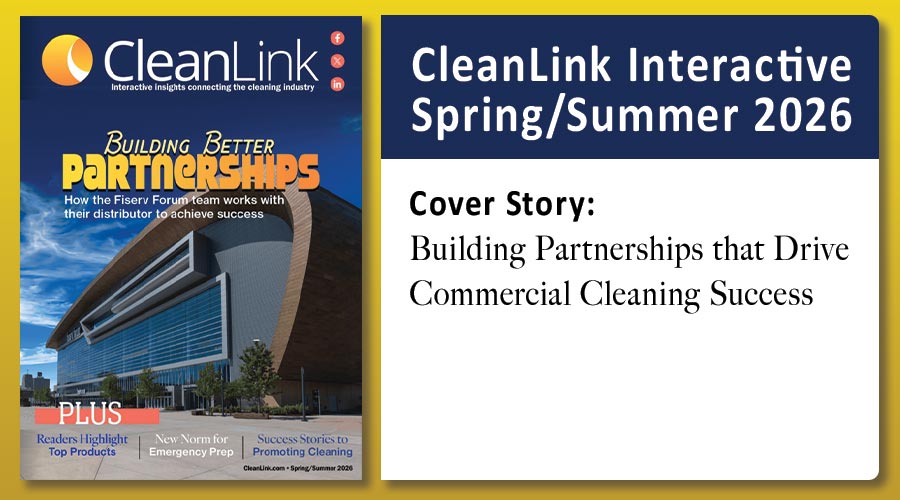
 CleanLink Interactive Spring/Summer 2026 Issue
 Recognizing the 2026 Reader Choice Award Winners
 2026 Emerging Leader Award
 How Surfactant Use is Expanding in Commercial Cleaning
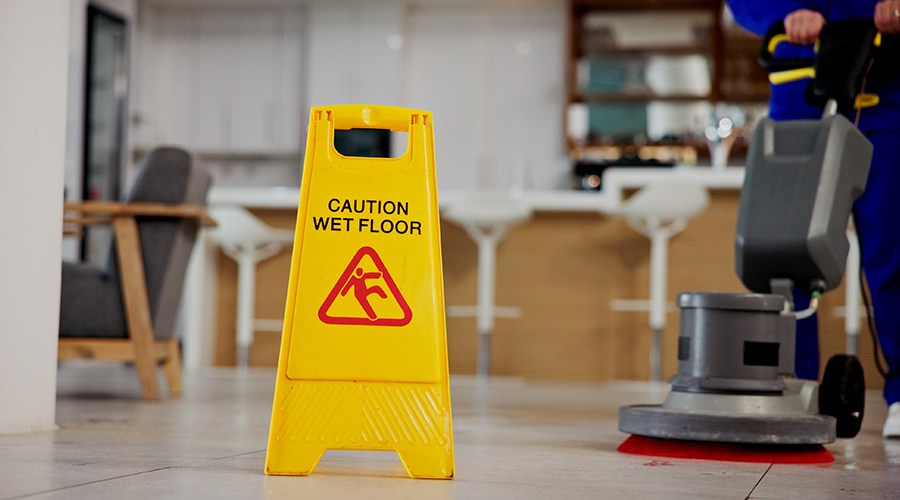
Different building environments present their own unique cleaning and floor safety challenges.
In healthcare facilities, for example, high-risk slip zones include surgical wings, emergency rooms, and patient restrooms. Distributors should help customers understand what special products and protocols must be used to sanitize floors and make them slip resistant. End users should also know what they can do to mitigate noise and odor using non-disruptive equipment and low-odor chemistry.
In commercial real estate offices, risks increase in lobbies, elevators, and breakrooms. Help clients identify floor finishes that balance aesthetic appeal and safety.
Retail stores have unique challenges, such as high foot traffic, food spills, and weather events that cause moisture, all of which can result in slips, trips, and falls. Retailers often struggle with balancing floor shine and floor traction, so finding the right balance is important. Make sure customers know how to communicate with store managers so that spill response and hazard reporting are optimal.
Schools also have a variety of floor safety concerns. Kids run, they trip, and they fall. Cafeterias and locker rooms require extra vigilance and attention to floor safety. Distributors should help customers understand when to conduct routine cleaning, whether that’s during the school day or after hours.
Supporting Safety
Fortunately, advancements in cleaning equipment, devices, and software have made it easier for janitorial staff to maintain floor safety. Help end users understand how to use the following tools:
Smart autoscrubbers offer precise water and chemical usage. They also feature real-time alerts for slippery zones or obstructions.
Meanwhile, moisture sensors can detect wet floors and integrate with alarm systems or building automation platforms.
Slip-resistance testing devices can be used to measure Static Coefficient of Friction (SCOF) or Dynamic Coefficient of Friction (DCOF) and can be used to evaluate surfaces before and after cleaning.
CMMS (Computerized Maintenance Management Systems) have a handful of features. They help schedule floor maintenance. They can store inspection data, logs, and accident reports. And they can be used to ensure compliance with internal protocols and external regulations.
Spills are part of life, but response times and organizational effectiveness can be the difference between a floor hazard and floor safety. Distributors should help their cleaning team clients build an emergency spill response plan that uses barricades and signs to provide immediate control. The plan should also involve absorbent materials for fast cleanup, communication to keep supervisors and building occupants in the know, and documentation, including records of the spill, actions taken, and witness statements.
Building a Safety Culture
Even the best cleaning practices can’t succeed in a vacuum. Creating a floor safety culture involves employee engagement, clean signage and communication, buy-in from leadership, and regular training and updates.
Floor safety is not just about mopping and polishing floors to create a great first impression. It is a complex, ongoing commitment involving the right products and equipment, proactive inspections, informed cleaning teams, and a safety-first culture. For facility customers, maintenance teams, and cleaning professionals, the floor is one of their primary areas of responsibility. With proper care and oversight, floors throughout the facility can become safer, more functional, and more inviting to anyone who walks through the door. Jan/san distributors can help get them there.
Keith Schneringer has been in the sanitary supply industry since 1990 and is currently the Senior Director of Marketing Jan/San + Sustainability for BradyPLUS. In his current role, Keith is responsible for marketing to the jan/san and facility care industry, for developing vertical-market-specific programs to better assist customers, and for leading the company's sustainability initiatives. Before assuming his current responsibilities, he worked as an account consultant, sales manager, marketing manager, and director of channel marketing + sustainability for WAXIE Sanitary Supply.
Selling Cleaning Clients on Proper Floor Safety