
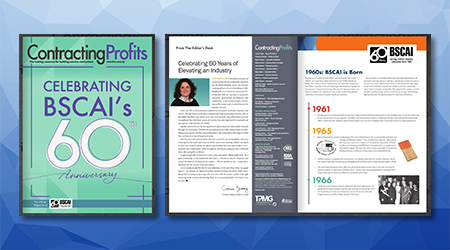
 Celebrating BSCAI's 60th Anniversary eBook
 Recognizing the 2026 Reader Choice Award Winners
 2026 Emerging Leader Award
 How Surfactant Use is Expanding in Commercial Cleaning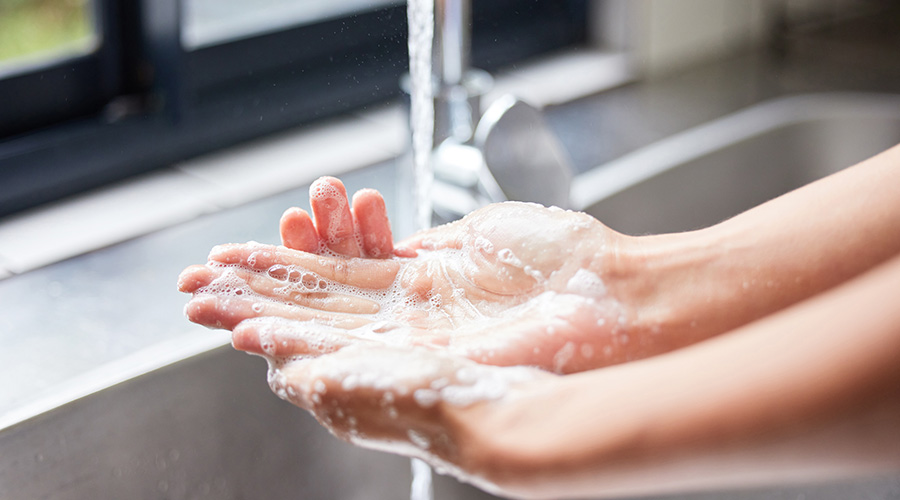
Measles and other infectious diseases continue to spread across the U.S., raising concerns from commercial cleaning executives on how to effectively mitigate their spread. According to a recent report from the Centers for Disease Control and Prevention (CDC), there were 982 confirmed measles cases in the U.S., 89 percent resulting from an outbreak. Amid reduced vaccination rates and scientific skepticism, unease regarding measles and other diseases is also on the rise.
Alongside elevated measles cases are influenza illnesses. The CDC notes that although influenza A—frequently reported throughout this winter sickness season—is decreasing, influenza B activity is on the rise. As people tend to congregate in indoor spaces during colder temperatures, the risk of contracting either disease is considerable. Therefore, frontline workers are tasked with an essential mission to maintain safe and healthy environments across all facilities.
This starts with examining and establishing a strong hand hygiene culture. The Bradley Company’s annual Healthy Handwashing Survey found facility and contract cleaning managers should focus on commitment rather than comprehension of handwashing habits. Only 76 percent of survey respondents shared they always washed their hands after using a public restroom—a 5 percent drop from 2025. This figure aligns with a need for handwashing accountability, among additional cleaning solutions.
Although hand hygiene remains an accessible solution for infection prevention, it cannot be used as a standalone against highly contagious diseases. Instead, cleaning teams should also employ frequent and specialized cleaning protocols. As some viruses and harmful pathogens can remain on surfaces for extended durations, disinfection of high-touch surfaces should be prioritized. Evaluating indoor air quality and improving filtration systems can also decrease residual airborne pollutants. When such systems are designed to ensure consistency and increase compliance, operational efficiency is enhanced.