
 CleanLink Interactive Spring/Summer 2026 Issue
 Recognizing the 2026 Reader Choice Award Winners
 2026 Emerging Leader Award
 How Surfactant Use is Expanding in Commercial Cleaning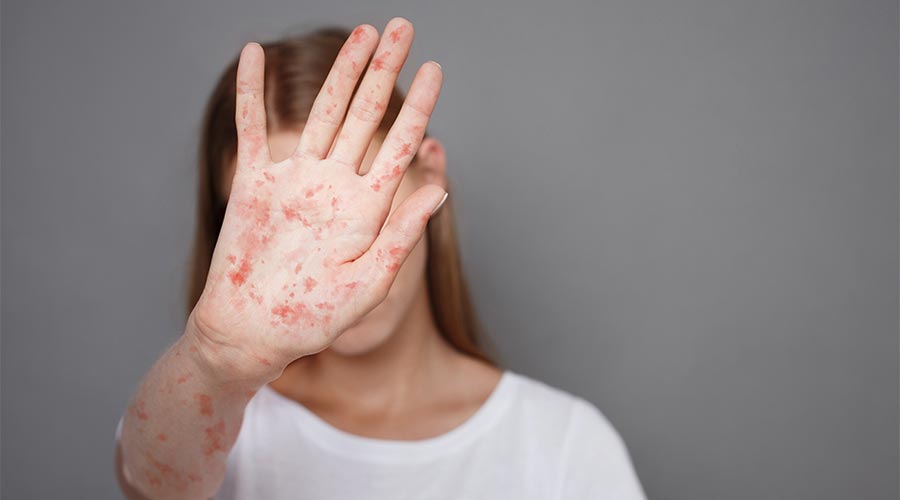
Measles cases continue to rise amid holiday preparations and celebrations, inciting an increasing need for infection control and prevention protocols. Recently, South Carolina implemented quarantines for 254 individuals due to the rising number of measles cases reported to the South Carolina Department of Health (DPH), MSN shares. According to the Centers for Disease Control and Prevention (CDC), 47 measles outbreaks were recorded in 2025, a substantial increase from the 16 reported in 2024.
The measles epidemic is an ongoing dilemma within the U.S., with an overall hospitalization rate of 17 percent, the World Health Organization (WHO) states. The viral, airborne disease is highly contagious and can be fatal, CleanLink describes. The acceleration in cases is attributed to a decline in vaccination rates, with as many as 78 percent of U.S. counties documenting drops in vaccinations, a John Hopkins University study found. This influx of infections may lead to the loss of the country’s longstanding measles elimination designation, indicating that measles transmission will remain a persistent problem, Scientific American shares.
Frequent and specialized cleaning protocols are required for measles mitigation. The virus can survive on surfaces for long durations, indicating cleaning teams will need to provide recurring, extensive disinfection of high-touch surfaces, Janitorial Manager asserts. Assuaging indoor air quality (IAQ) is another important consideration—the virus can remain in the air up to two hours—and therefore requires high-efficiency particulate air (HEPA) filtration, Airmid Healthgroup suggests. Commercial cleaning executives could conduct a hazard analysis to identify cleaning team exposure risks and provide measurable preventative solutions, such as personal protective equipment (PPE), to safeguard their well-being, the Occupational Safety and Health Administration (OSHA) says.