
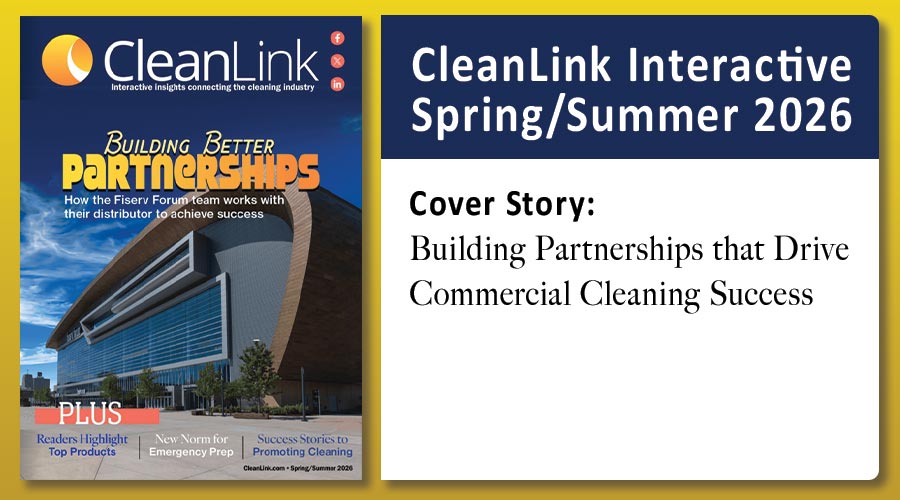
 CleanLink Interactive Spring/Summer 2026 Issue
 Recognizing the 2026 Reader Choice Award Winners
 2026 Emerging Leader Award
 How Surfactant Use is Expanding in Commercial Cleaning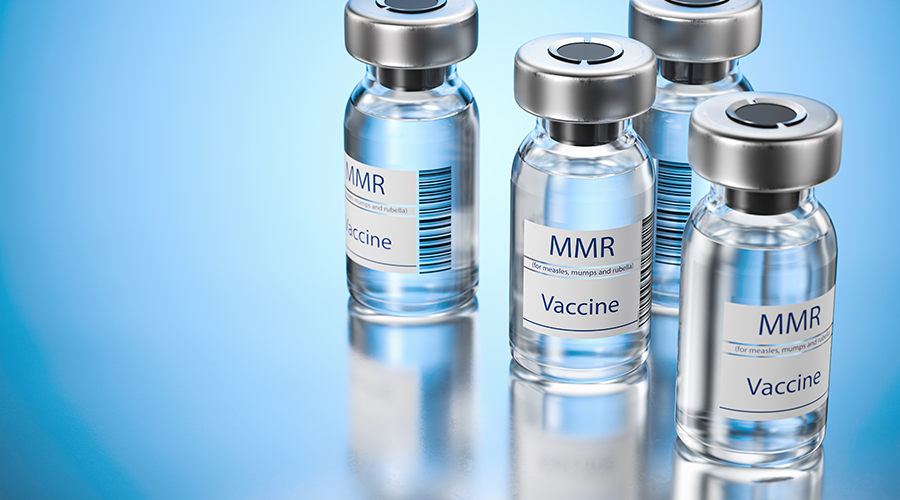
Measles cases across the U.S. continue to rise, raising concerns for commercial cleaning executives and placing the country’s measles-free status in jeopardy. According to the Centers for Disease Control and Prevention (CDC), 89 percent of confirmed measles cases (2,006 out of 2,255) were caused by an outbreak. Since 2026, USA Today found 14 states documented measles cases, the majority (338 cases) reported by South Carolina. Of those who contracted measles in 2026, about 94 percent were unvaccinated or had an unknown vaccination status.
A global effort to reduce measles transmission by the U.S., the Pan American Health Organization (PAHO), and the World Health Organization (WHO) resulted in the country's measles elimination status in 2000, which was reverified in 2011. Now, the Los Angeles Times says if the U.S. is unable to disrupt the continuous transmission of the virus within 12 months, starting with the first recorded case in 2025 in Texas, PAHO will consider removing the status at a meeting set in April.
Measles mitigation is critical as it is an extremely contagious virus, with MSN asserting it can infect nine out of 10 unvaccinated individuals who are exposed. According to Our World With Data, health experts recommend the vaccine, as one dose of the measles, mumps, and rubella (MMR) vaccine has a 95 percent efficacy rate. Moreover, the Occupational Safety and Health Administration (OSHA) recommends that management educate employees on the MMR vaccine as well as provide personal protective equipment (PPE) and training to mitigate measles exposure and spread within facilities. Frontline cleaning teams should also use specialized cleaning protocols to support infection control—including intensive disinfection of high-touch surfaces and monitoring HEPA filters.