
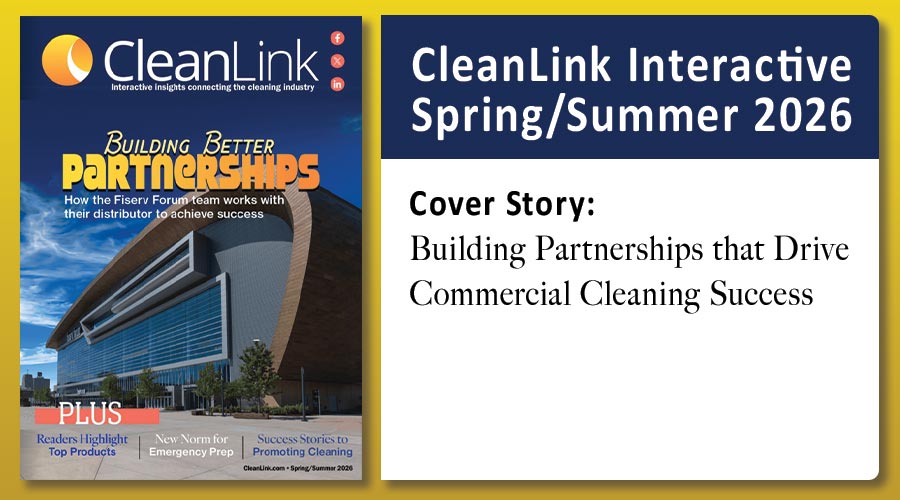
 CleanLink Interactive Spring/Summer 2026 Issue
 Recognizing the 2026 Reader Choice Award Winners
 2026 Emerging Leader Award
 How Surfactant Use is Expanding in Commercial Cleaning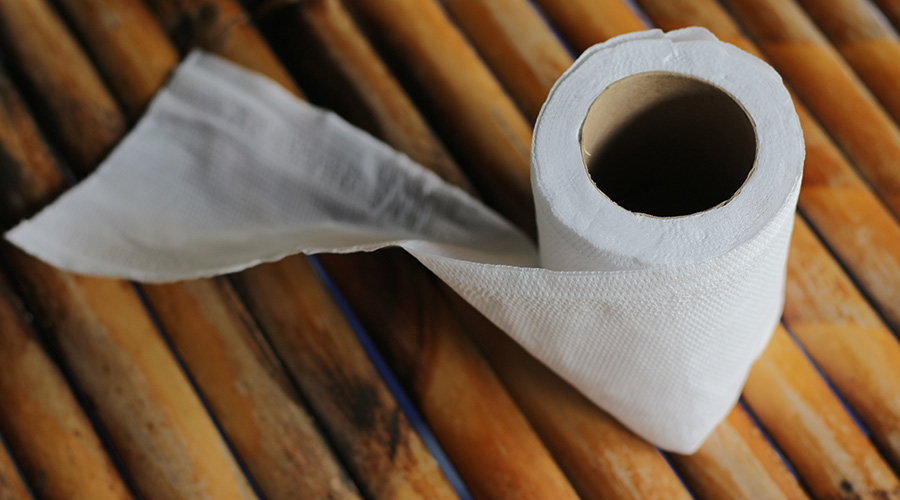
A study addressing the environmental impact of toilet paper types found that the production of bamboo-based bath tissue is less eco-friendly than marketed. The research analyzed the environmental impact of producing bamboo, eucalyptus, and bleached softwood toilet paper, cataloging the water, soil, and air emissions of each based on present manufacturing conditions. This serves as a reminder that commercial cleaning executives might want to consider the ecological impact of products they employ, as well as explore other sustainable alternatives.
Overall, the global warming potential of bamboo toilet paper versus wood-based toilet paper was higher due to manufacturing and processing plants’ reliance on coal-powered electricity grids. However, it was noted that U.S.-manufactured consumer bath tissue results in greater ozone and fossil fuel depletion. Although bamboo is an advantageous feedstock, the operational inefficiency—especially in the drying process—can lead to an adverse environmental impact over time.
The results reveal that material-based marketing can lead to greenwashing, which can divert resources from sustainability efforts and harm a company’s credibility. Research has identified reliable, eco-friendly toilet paper products that facility managers can implement in their own buildings. Additionally, providing transparency on how products align with current regulations can strengthen trust within the organization.