
 CleanLink Interactive Spring/Summer 2026 Issue
 Recognizing the 2026 Reader Choice Award Winners
 2026 Emerging Leader Award
 How Surfactant Use is Expanding in Commercial Cleaning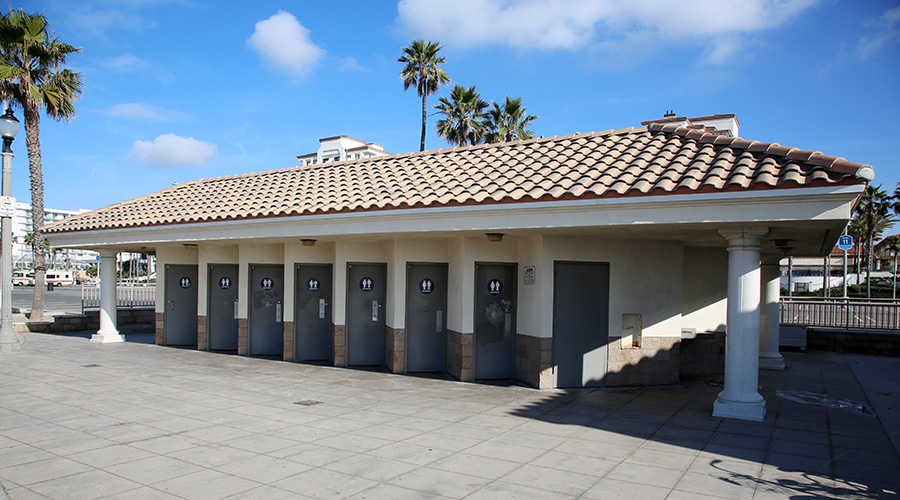
Recent backlash formed from restroom closures in San Diego reinforces the role restroom accessibility and hygiene play in public health.
Complaints regarding the sanitary condition and cleanup of Mission Bay Park’s restroom facilities were an ongoing issue for San Diego Mayor Todd Gloria. Facing a shrinking budget and an increasing amount of community concern for cleanliness, he announced, alongside City Councilmember Jen Campbell, that 13 of the 28 beach restrooms would close. The decision resulted in public outcry.
The reasons for such widespread outrage align with commercial cleaning industry initiatives for restroom inclusivity. The public argued that a reduced number of restrooms would limit facility availability, adversely affecting individuals with bladder and mobility restrictions. Others, including researchers with the Project for Sanitation Justice (PSJ), contend that restricting restroom access can complicate hand hygiene.
Ongoing outbreaks, from rising cyclosporiasis cases to novel measles numbers, continue to challenge infection prevention programs across commercial cleaning operations. The most effective mitigation strategy is handwashing. However, according to Bradley Company’s 2026 Healthy Handwashing Survey, 77 percent of respondents have witnessed others leave a restroom without washing their hands. One reason why members of the public may skip washing their hands is restroom maintenance.
“For many people, the decision to wash their hands in a public restroom is influenced by the environment,” says Jon Dommisse, Vice President of Business Development and Strategy for Bradley Company. “If a restroom appears poorly maintained or understocked, it can discourage proper handwashing—at exactly the moment when it matters most for public health.”
For Mayor Gloria, the decision to close a portion of Mission Bay Park’s restrooms came down to cost. The city’s 2027 budget was restrictive, and the city could not afford to maintain and upkeep all available restrooms. Yet, a state grant allowed for the reopening of the restroom facilities—at least until the end of 2026. After that, $250,000 will be needed to keep them open and operable.