
 CleanLink Interactive Spring/Summer 2026 Issue
 Recognizing the 2026 Reader Choice Award Winners
 2026 Emerging Leader Award
 How Surfactant Use is Expanding in Commercial Cleaning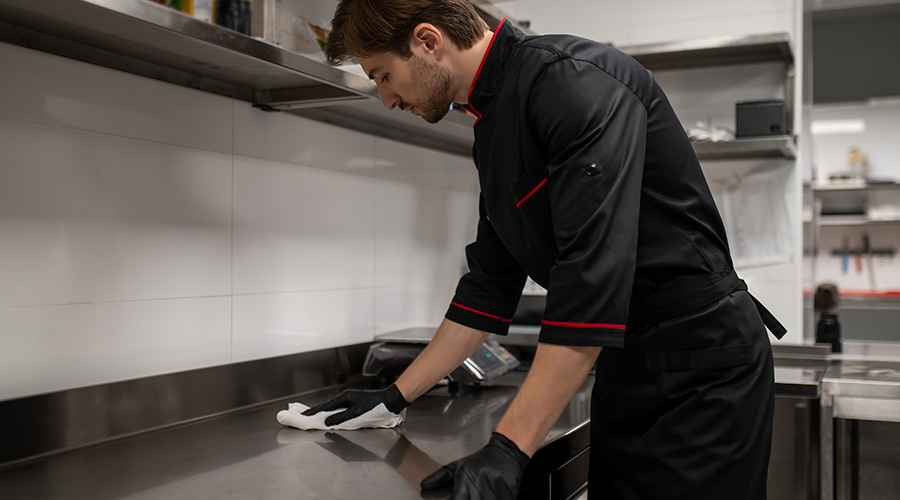
The ongoing cyclosporiasis outbreak has claimed the lives of two Americans, creating urgency in containing its spread. Michigan health officials announced the passing of two state residents, linking their deaths to the foodborne illness alongside underlying health conditions. Although not considered life-threatening, this gastrointestinal sickness is associated with loss of appetite, nausea, fatigue, and watery diarrhea.
In mid-July, the source of the foodborne illness was traced to Taylor Farms’ shredded iceberg lettuce, prompting a recall across 27 states. Cases continue to mount nationwide, although not all are attributed to the Taylor Farms product. According to the Centers for Disease Control and Prevention (CDC), 45 states are reporting cases, with additional cases coming from Michigan and Ohio.
For facility cleaning managers and building service contractors (BSCs) alike, rising cyclosporiasis cases raise the importance of cleaning, disinfection, and sanitation across all commercial spaces—especially foodservice environments. While it is not spread via human contact, the pathogen is resistant to common cleaning protocols. As stated by the Food and Drug Administration (FDA), chlorine-based sanitizers and routine chemical disinfectants are not effective.
This indicates that commercial cleaning operations looking to mitigate parasitic contamination require systematic surface sanitation. Food preparation areas, foodservice equipment, and other food-contact surfaces should be addressed by cleaning, scrubbing, and sanitizing. ServiceMaster Clean shares that special attention should also be paid to flooring, ventilation, and storage areas. Cleaning frequencies, including restroom facilities, should be increased to ensure hand hygiene supplies are stocked and accessible.