
 CleanLink Interactive Spring/Summer 2026 Issue
 Recognizing the 2026 Reader Choice Award Winners
 2026 Emerging Leader Award
 How Surfactant Use is Expanding in Commercial Cleaning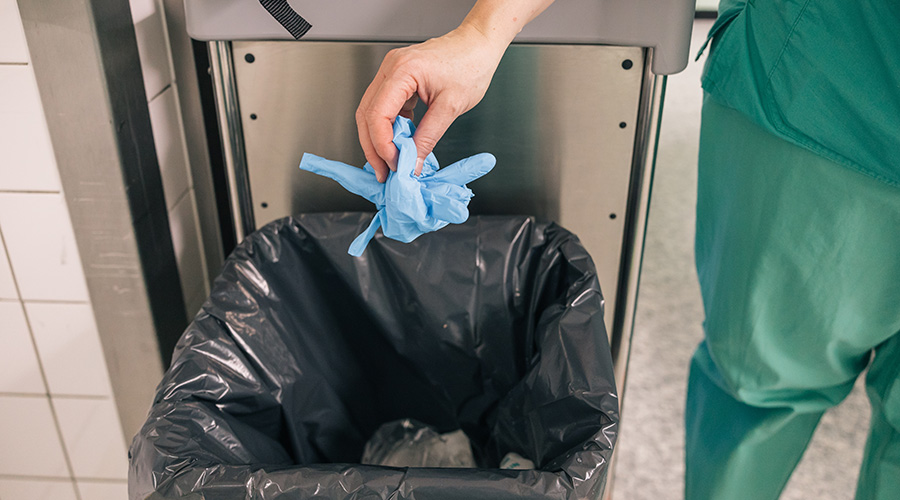
The leading infection prevention and control (IPC) protocol remains hand hygiene adherence. In healthcare and food care settings, personal protective equipment (PPE) remains an essential barrier to disease transmission. However, the World Health Organization (WHO) maintains that handwashing should remain a prioritized practice.
Although gloves protect the health and safety of frontline staff, they can also undermine IPC. Gloves are not a one-size-fits-all solution. In fact, different gloves may be utilized for different cleaning tasks. According to eSafety Supplies (ESS), some glove types work best for certain chemicals: nitrile gloves work best for greases and solvents; neoprene gloves for acids and alcohols; polyvinyl chloride (PVC) gloves for water-based chemicals; and latex gloves for biological materials and bodily fluids.
It is not enough to select the proper PPE for the job—cleaning crews also need to demonstrate compliance. Often, improper donning and doffing can lead to the spreading of infectious diseases or, in hospital and long-term healthcare facilities, hospital-associated infections (HAIs). Therefore, implementing hand hygiene alongside glove usage can enhance current IPC programs.
Hand hygiene is a public health panacea, yet two in five healthcare facilities lack proper handwashing services. In a recent CleanLink survey, 50 percent of respondents shared that cleaning programs should center around IPC, showcasing renewed industry perception of hand hygiene’s importance. Education, recurring training, signage, and additional strategies can highlight handwashing as a key component of any cleaning system.