
 CleanLink Interactive Spring/Summer 2026 Issue
 Recognizing the 2026 Reader Choice Award Winners
 2026 Emerging Leader Award
 How Surfactant Use is Expanding in Commercial Cleaning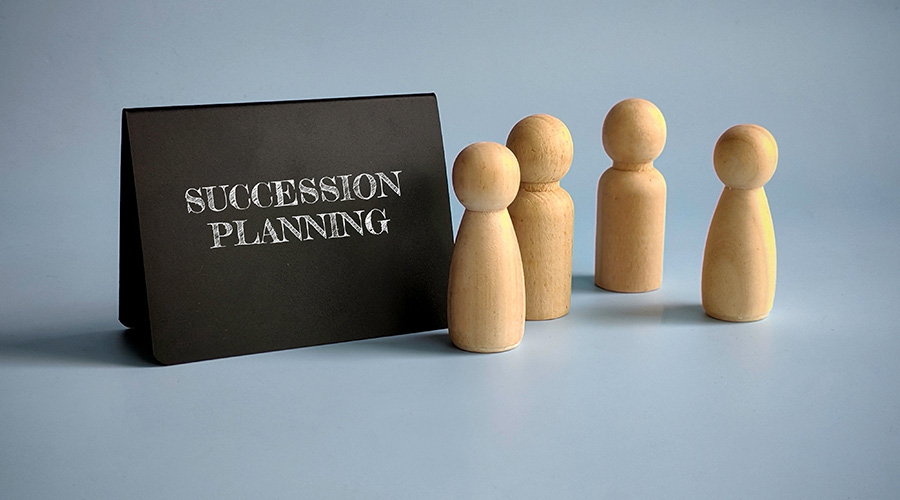
When considering the next step in building business longevity, commercial cleaning executives should consider succession planning. A Deloitte Private global report reveals families often face challenges in preparedness and confidence when considering the future. To protect a prosperous future, a company should consider its next steps now.
As the U.S. labor force affirms, a generational transition is currently ongoing across the country. This change of hands is impacting family businesses, with 27 percent of families currently navigating the shift or anticipating addressing it within the next decade. During this timeframe, 40 percent of family businesses believe a leadership transition will also occur.
"Succession is one of the defining moments for family businesses because it requires balancing legacy, governance, and future growth at once," says Dr. Rebecca Gooch, Deloitte Private Global Head of Insights, Deloitte Global. "Deloitte Private's findings show that many family businesses understand the urgency of preparing the next generation for leadership roles, but the transition from informal planning to structured succession strategy remains a work in progress."
According to Family Meetings: How to Build a Stronger Family and a Stronger Business, by Craig E. Arronoff and John L. Ward, less than a third of all family businesses continue from the first to the second generation. An obstacle to sustainable family business growth is an underdeveloped succession plan. Although 89 percent of families and 82 percent of family businesses report having some form of succession plan in place, only 50 percent of families and 46 percent of family businesses say those plans are comprehensive.
Timing remains a part of this problem. In Paul C. Rosenblatt's, "The Family in Business," he finds that most family business owners do not participate in planning until they are close to retiring. This creates complications for company governance, communication, and ongoing sustainability. This is affirmed in Deloitte Private's research, which found that family business owners find the next generation insufficiently qualified or lacking experience (35 percent), have difficulty identifying a suitable successor (33 percent), and are reluctant to relinquish control (32 percent).
To ensure an effective transition, identified successors should be given access to relevant leadership experience to be able to fully grow into their new roles. Moreover, proactive planning seeks out solutions to obstacles before they arise, enhancing company resilience. Outside support—whether an attorney, law firm, or advisor—can further strengthen the succession planning process by offering a perspective outside of family dynamics.
“Family businesses are increasingly recognizing that succession is not simply about transferring ownership or leadership titles—it is about preparing future leaders to operate in a far more complex and technology-driven environment,” shares Yali Yin, Deloitte Private Global Leader. "Organizations that embed succession into long-term strategy and leadership development should be better equipped to preserve both continuity and competitiveness."
To access the full report, click here.