
 CleanLink Interactive Spring/Summer 2026 Issue
 Recognizing the 2026 Reader Choice Award Winners
 2026 Emerging Leader Award
 How Surfactant Use is Expanding in Commercial Cleaning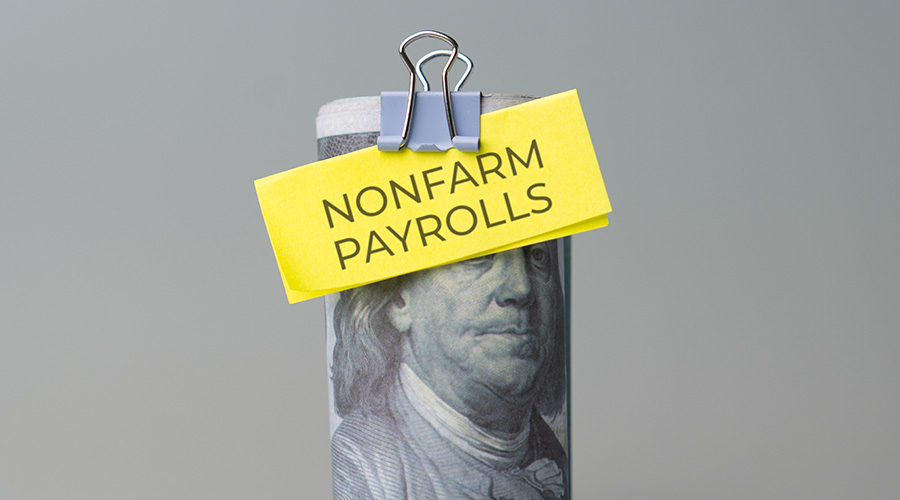
A July job report reverses economists' early hopes of a revitalized labor market. Job losses and a lower unemployment rate show a shrinking labor pool amid an uncertain economy. The data reaffirms the current staffing retention and recruitment challenges facing commercial cleaning executives.
According to the recent U.S. Bureau of Labor Statistics (BLS) July report, 23,000 jobs were lost throughout the month. When compared to the slow job growth in June, this decline indicates the labor market remains unstable. As commercial cleaning professionals exit the industry—whether for retirement or for an opportunity with competitive wages—facility cleaning managers and building service contractors (BSCs) are tasked with finding qualified talent from a shrinking workforce.
Across multiple industries, employment declined. However, it impacted local government education (50,000 jobs lost) and retail trade (19,000 jobs lost) the most. These sectors remain important to commercial cleaning and janitorial services providers as contracts are impacted by consumer traffic, facility occupancy, and building budgets. Healthcare sustained its upward trend, adding 22,000 jobs in July.
Employment and the economy go hand in hand. Currently, the United States is engaged in an ongoing geopolitical conflict, impacting inflation trends nationwide. As inflation continues to rise—remaining at a rate of 3.5 percent—wages are not keeping pace. Average hourly earnings showed little change, increasing two cents ($37.62). These economic pressures are the impetus for an employee exodus as staff seek jobs that provide pay to afford basic expenses.
Management can counter this by providing competitive wages. Providing baseline wages that align with local market conditions is an established labor retention method, as affirmed by 43 percent of industry professionals in a monthly CleanLink poll. Although budget constraints and scheduled minimum wage increases can impact wage offerings, innovative technology and all-in-one equipment can promote labor productivity and support staffing struggles.
Read the full BLS report here.