
 CleanLink Interactive Spring/Summer 2026 Issue
 Recognizing the 2026 Reader Choice Award Winners
 2026 Emerging Leader Award
 How Surfactant Use is Expanding in Commercial Cleaning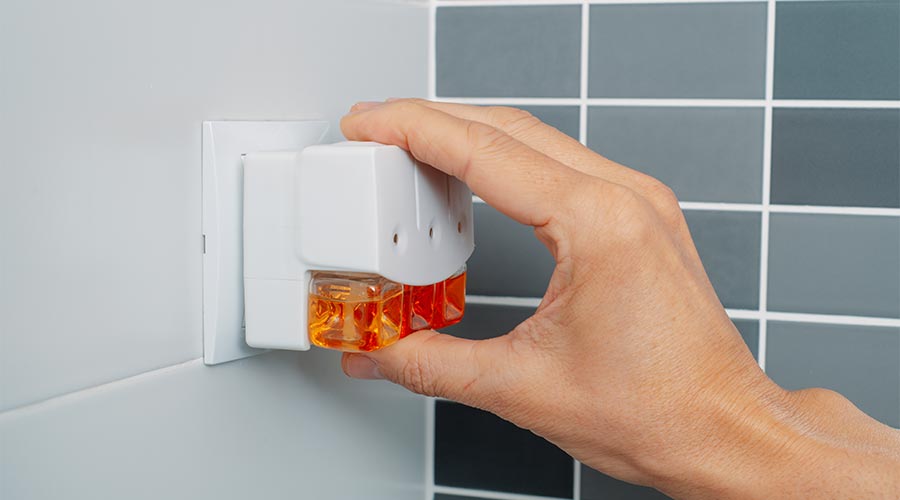
A study showcases the role scent plays in people’s perception of clean. Research by Ennovamark reveals how smell can influence how hygienic restrooms may appear, as well as user behavior. The results indicate that common clean scents—citrus, herbal-green, and light mineral—increase an occupant’s belief that the environment is clean by 40 percent, whereas sweet and synthetic scents—floral or perfume-based—result in negative feedback, Tomorrow’s Cleaning shares.
Smell is an essential sense that can enhance cleaning experiences. Due to the brain’s olfactory response—a connection between odor and memories—certain scents evoke strong, emotional responses, as Harvard Medicine affirms. This science provides an explanation for how continuous, low-volume scent diffusion in restrooms resulted in a 22 percent reduction in cleanliness complaints, the European Cleaning Journal reports.
Fragrance may be important for impressions, but its chemical composition can have an adverse impact on individuals with allergies or scent sensitivities, the Environmental Health & Safety Department of the University of Toronto says. As a result, CleanLink notes, sustainable, scent-free products are a growing trend. The Centers for Disease Control and Prevention (CDC), the American Lung Association, and the U.S. Department of Labor Office of Disability Employment Policy promote the implementation of fragrance-free policies across facilities, the American Medical Association (AMA) states. Therefore, commercial cleaning executives will have to balance the benefits of scents and their impact on health.