
 CleanLink Interactive Spring/Summer 2026 Issue
 Recognizing the 2026 Reader Choice Award Winners
 2026 Emerging Leader Award
 How Surfactant Use is Expanding in Commercial Cleaning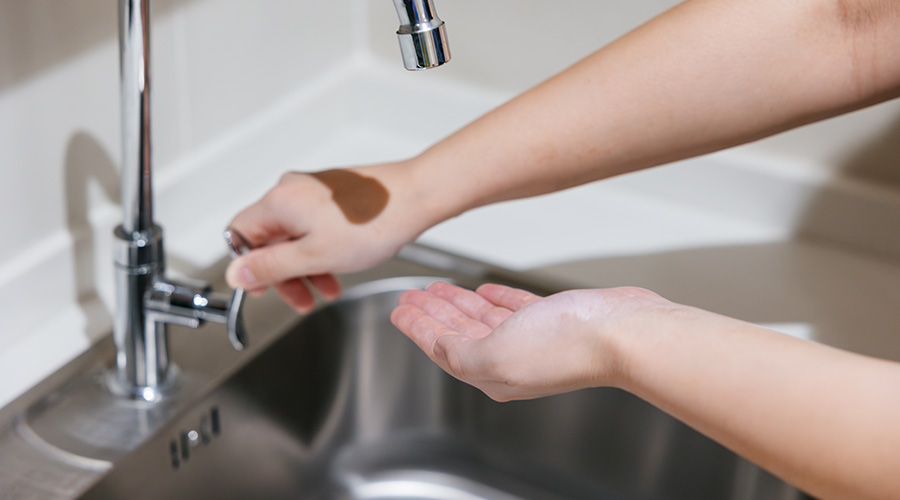
That is the question at the heart of Imagine a Day Without Water, a national day of action on October 15, 2026, designed to raise awareness of water's essential role in everyday life and the urgent need to invest in water infrastructure, conservation, and efficiency.
First launched in 2015 by the U.S. Water Alliance, the campaign brings together businesses, communities, public officials, environmental organizations, and individuals to encourage action to protect this vital resource.
"Imagine a Day Without Water gets people asking a fundamental question: What would it be like to go even a single day without water?" says Klaus Reichardt, Founder and CEO of Waterless Co., Inc. "It is also a powerful educational tool, particularly for children, helping the next generation understand just how important water is to our daily lives."
The High Cost
The economic consequences of losing water, even for a day, would be enormous. According to figures cited by the U.S. Water Alliance, a day without water would cost the United States:
• More than $120 billion in economic losses
• 526,996 jobs placed at risk
• $39.2 billion in lost wages
• A $69 billion reduction in GDP
• More than a 40 percent daily loss in economic output for water-dependent industries
"Water is essential not only for drinking and sanitation, but for virtually all industries and every sector of the economy," adds Reichardt.
Businesses Take Action
The campaign encourages organizations to move beyond awareness and take practical steps to protect water supplies, including:
• Issuing official proclamations: Mayors, governors, and local governments can recognize the day and encourage residents and businesses to support water efficiency.
• Staff awards: Awarding staff or vendors who offer ways to reduce water consumption.
• Creating public awareness campaigns: Restaurants, coffee shops, schools, and other organizations can use signage and social media to show how much water everyday activities require.
• Improving commercial restrooms: Facility cleaning managers can reduce water use by installing water-efficient fixtures, no-water urinals, and smart water-management technologies.
• Conducting water audits: Businesses can evaluate how water is used throughout their facilities and identify ways to reduce waste.
"Water audits should not be overlooked," Reichardt adds. "They can identify inefficiencies and leaks and, most importantly, uncover opportunities to reduce water consumption—even eliminate water use entirely."