
 CleanLink Interactive Spring/Summer 2026 Issue
 Recognizing the 2026 Reader Choice Award Winners
 2026 Emerging Leader Award
 How Surfactant Use is Expanding in Commercial Cleaning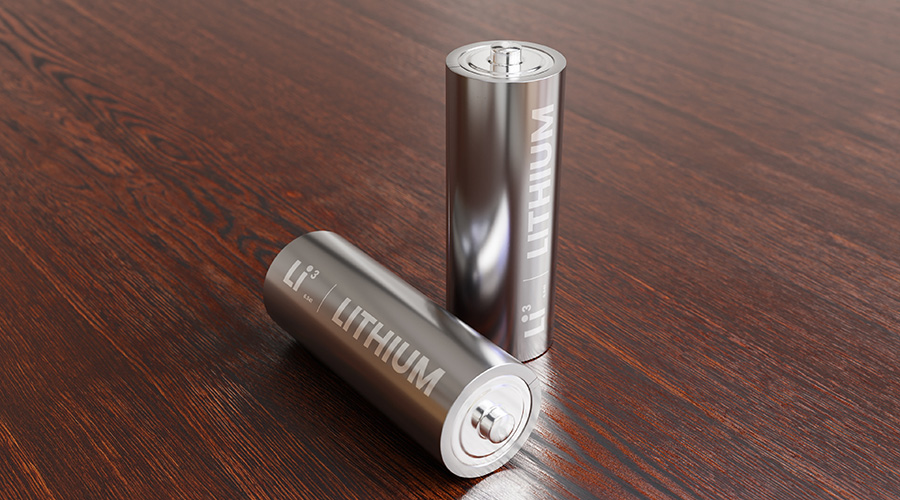
The International Code Council (ICC) published a guide on lithium-ion (Li-ion) battery safety that aligns with the upcoming 2027 International Fire Code (IFC). Developed as a resource for code officials and local code adoption authorities, this resource will help jurisdictions keep pace with evolving technologies.
For commercial cleaning operations, battery safety is essential. Although sealed lead-acid (SLA) batteries have been the standard, lithium-ion batteries are increasingly utilized for floor and carpet care functions. In fact, the Li-ion battery market is on the rise and is estimated to reach $865 billion by 2034.
Part of why Li-ion battery has found success in the commercial cleaning market is a consumer emphasis on clean energy. According to Contracting Profits' annual market study, 28 percent of building service contractors (BSCs) say client demand for sustainable initiatives will increase. Li-ion battery technology has a greater life cycle, with some achieving up to 3,500 cycles.
Time is another advantage of Li-ion batteries. When compared to SLA batteries, Li-ion batteries have longer run times and faster charging times. However, they are also prone to overheating, compromising frontline staff safety and equipment longevity.
Battery safety guidelines are therefore critical to safeguarding staff and their tools.
“Building, fire, and life safety professionals continue to see the rapidly expanding application and use of lithium-ion batteries in the built environment,” says Karl Fippinger, Vice President of Fire and Disaster Mitigation, ICC. “By releasing these provisions in advance of the complete code, we are providing code officials with the tools and resources they need to effectively and safely manage the manufacturing, storage, and use of lithium-ion batteries in their communities.”
To view the guide, click here. Learn how to properly handle a battery in thermal runway here.