
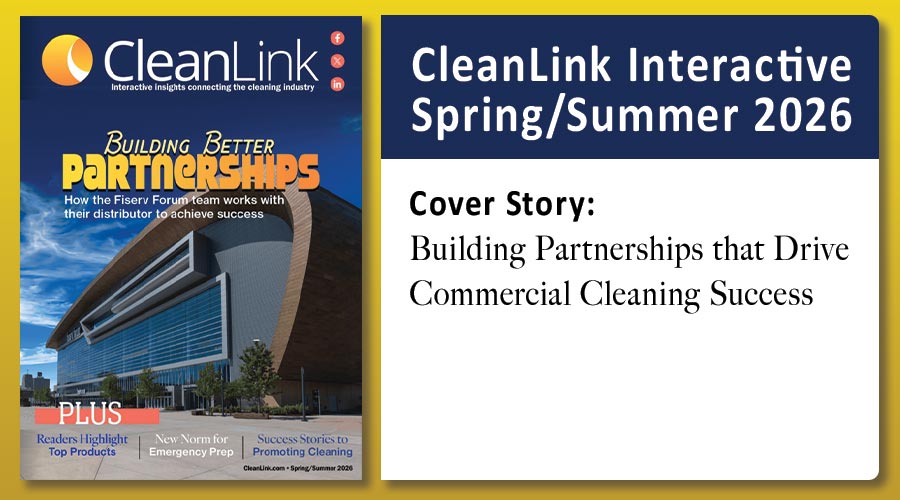
 CleanLink Interactive Spring/Summer 2026 Issue
 Recognizing the 2026 Reader Choice Award Winners
 2026 Emerging Leader Award
 How Surfactant Use is Expanding in Commercial Cleaning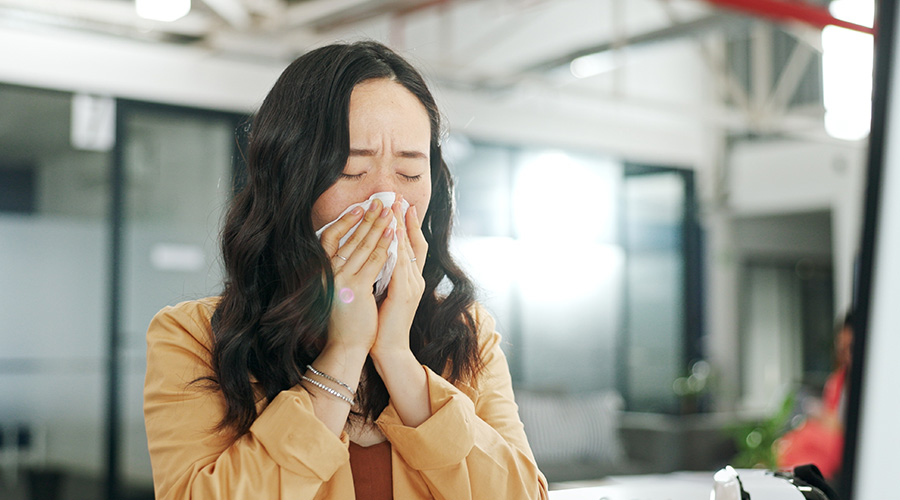
A new allergen report reveals that allergens are more caustic in the Western region of the U.S. The study identifies the top 20 allergy capitals nationwide and the types of pollen these cities and their occupants are more likely to encounter. The main trend is that allergies are becoming more intense, and the likely culprit facilities face is climate change.
Warmer weather, atmospheric rivers, and drought have impacted pollen production, resulting in increased durations, travel, and time pollen is produced and remains in the air. In fact, the West Coast experienced a “bomb cyclone” in 2024, which introduced heavy rainfall, mountain snow, flooding, and landslides in the region. These wet conditions sped up plant growth, resulting in greater pollen production. Rising temperatures across the country have also supported weed and grass growth earlier in spring, resulting in higher allergenicity levels of released pollen.
As a result, the study shows that the concentration of allergy capitals shifted from the Southeast region to the West. The top challenging city for pollen allergies is Boise, Idaho, which was impacted by tree, grass, and weed pollen peaking earlier and lasting longer than the previous year. San Diego, Tulsa, Oklahoma, Provo, Utah, and Rochester, New York were also included in the top five for their worse-than-average allergy levels.
The report warns that allergen levels will continue to climb if climate change impacts are not addressed. Climate scientists share that if warming continues to rise at the current rate, North American pollen production may see a 200 percent increase by the end of the century. This finding has long-term health impacts for cleaning teams and building occupants alike.
As facilities focus on indoor air quality as a method to mitigate airborne allergens this spring, it is important to consider the following measures:
1) Engage in Environmental Control
Implement air filtration systems using HEPA filters, maintain optimal humidity levels to limit mold growth, and ventilate the space outside of peak pollen times.
2) Establishing Efficient Cleaning Systems
Use sanitizers, cleaners, and disinfectants with EPA-registered chemicals on high-touch points and in high-traffic areas to ensure safety and compliance across all indoor environments.
3) Integrate Technology
Identify and implement technology that addresses the specific needs of a facility, such as electrostatic spraying technology, to efficiently tackle air particles that like to remain on surfaces.
To learn about additional allergy aides, as well as the other cities mentioned in the report, click here.