
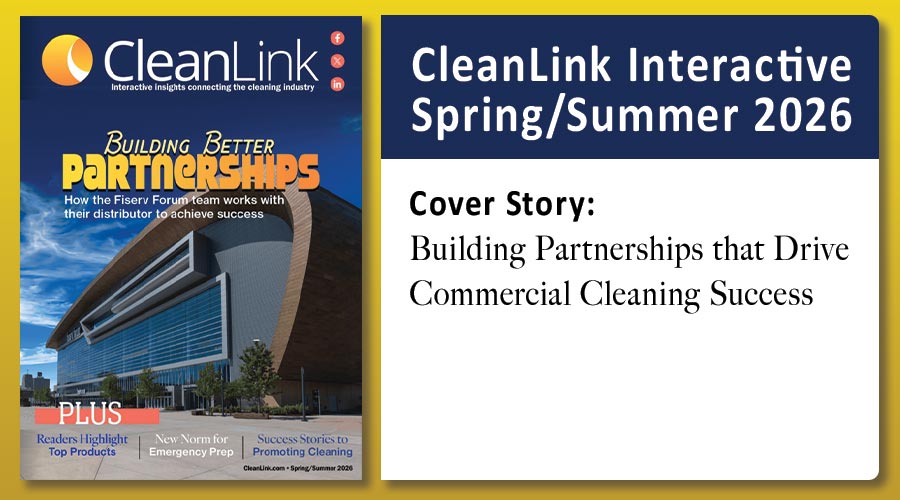
 CleanLink Interactive Spring/Summer 2026 Issue
 Recognizing the 2026 Reader Choice Award Winners
 2026 Emerging Leader Award
 How Surfactant Use is Expanding in Commercial Cleaning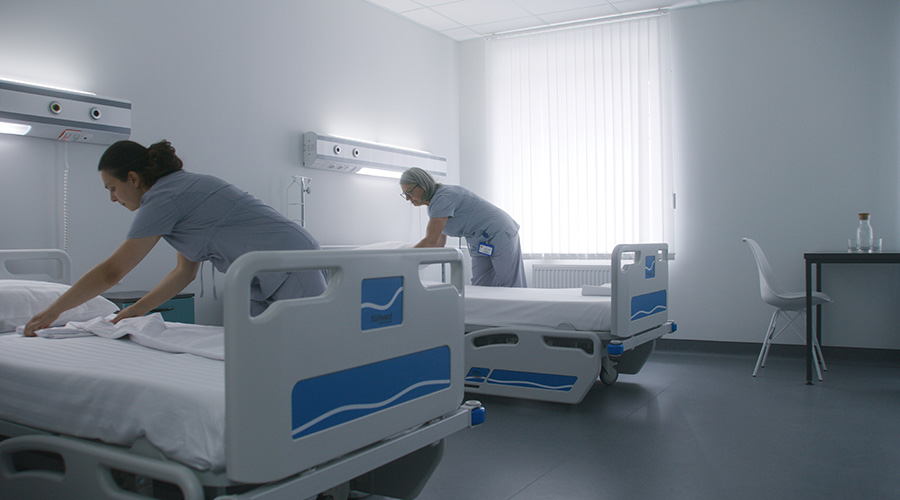
A report revealed a need for improved and efficient infection control and prevention systems in healthcare facilities. In 2024, Oregon recorded 1,000 hospital-acquired infections (HAIs), failing to meet the national HAI target reductions set by the Centers for Disease Control and Prevention (CDC). The data indicates how commercial cleaning executives can improve their cleaning systems to address this public health conundrum.
Ultraviolet-C (UV-C) disinfection is an innovation that could serve as a solution. After expanding UV-C light across isolation and care areas, a hospital in New Jersey found its standardized infection ratio (SIR) was 82 percent below the national standard. By penetrating pathogen microbial cell walls without leaving chemical residues, UV-C devices offer a sustainable strategy for environmental services (EVS). However, successful implementation is reliant upon training programs demonstrating how to integrate the technology into workflows.
Frontline staff should not neglect existing evidence-based practices, such as handwashing. As HAIs continue to impact the health and safety of one in 31 U.S. patients, adherence to hand hygiene protocols alongside enhanced disinfection strategies can support hospitals nationwide in achieving the federal target.