
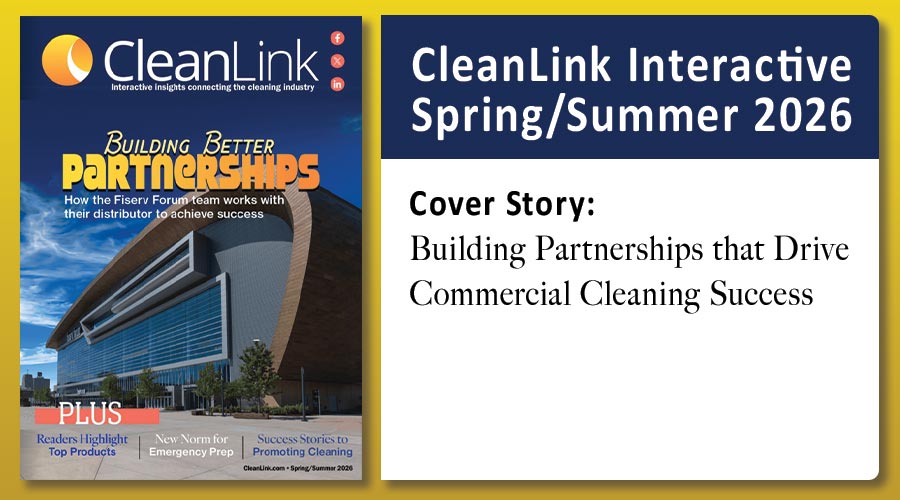
 CleanLink Interactive Spring/Summer 2026 Issue
 Recognizing the 2026 Reader Choice Award Winners
 2026 Emerging Leader Award
 How Surfactant Use is Expanding in Commercial Cleaning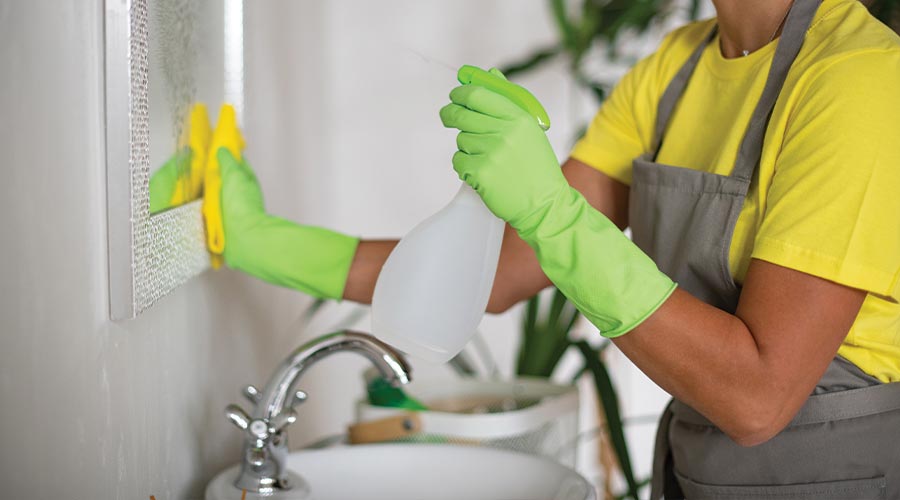
JAN-PRO Cleaning & Disinfecting in St. Louis has released guidance for facility managers on restroom cleaning practices associated with reduced germ transmission, drawing on environmental cleaning principles established across the commercial cleaning industry.
Restroom fixtures such as flush handles, faucets, stall latches, and door handles are touched by most building occupants, making restrooms a recognized transmission point for common workplace illnesses. According to the guidance, several specific practices distinguish disinfection from surface-level cleaning:
1) Cleaning Precedes Disinfecting
Public health guidance, including the Centers for Disease Control and Prevention's (CDC) environmental cleaning recommendations, calls for surfaces to be cleaned of visible soil before disinfectant is applied, as soil can prevent disinfectant from reaching the microorganisms beneath it.
2) Contact Time Determines Effectiveness
Every Environmental Protection Agency (EPA)-registered disinfectant lists a contact time on its label—the number of minutes the product must remain wet on a surface to perform as tested. Surfaces wiped dry before that time elapses have not been fully disinfected.
3) Color-coded Materials Prevent Cross-contamination
Color-coded microfiber systems physically separate the cloths used on toilets from those used on sinks, dispensers, and door handles.
4) Coverage Includes Every High-touch Point
Beyond faucets and flush handles, documented protocols cover stall latches, dispenser buttons, light switches, and door handles.
5) Frequency Reflects Use
In high-traffic facilities, services scheduled throughout the day can maintain lower surface contamination during the hours the restroom is actually in use.
“Looking clean and being disinfected are two different things,” says Alec Schierding, Director of Sales at JAN-PRO, St. Louis. “The cleaning sequence, the contact time, and keeping materials separated are what determine whether disinfection has actually taken place. The steps are straightforward, but they have to be part of a defined protocol to happen reliably.”