
 CleanLink Interactive Spring/Summer 2026 Issue
 Recognizing the 2026 Reader Choice Award Winners
 2026 Emerging Leader Award
 How Surfactant Use is Expanding in Commercial Cleaning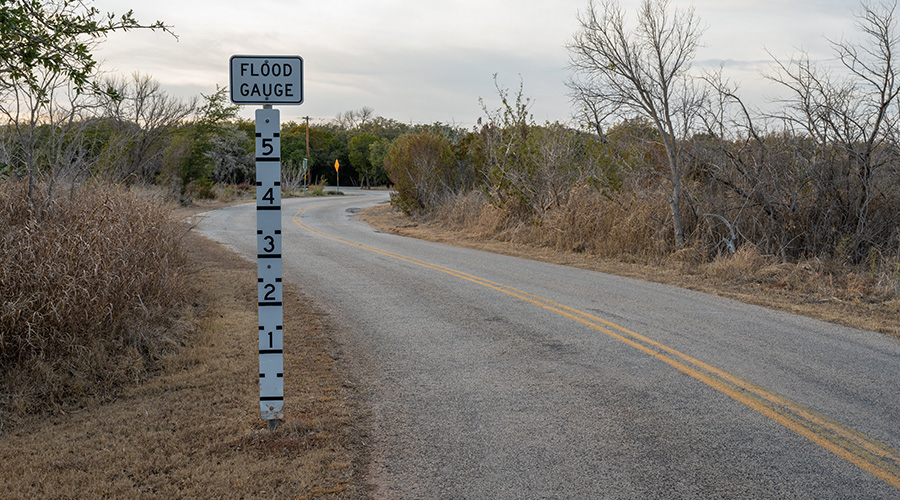
Extreme rainfall and flash flooding in the South raise concerns for facility cleaning managers operating in that region.
A slow-moving weather pattern has resulted in torrential downpour, saturating the soil and leading to catastrophic flooding throughout Texas. Weather forecasters anticipate some areas will receive an additional 10 to 15 inches of rain, overwhelming nearby waterways and facilities. With climate change increasing the frequency of extreme weather events, commercial cleaning executives must evaluate the resilience of their operations.
According to The 3rd National Risk Assessment, flooding risks will become more prevalent over the next 30 years—especially along the Atlantic and Gulf Coasts. Warmer and drier conditions cause the soil to dry out, making flooding likely during heavy rainfall. Therefore, preventative maintenance is essential for facility safety and frontline staff well-being.
For example, when Issaquah School District 411 faced flooding, facility and ground crews followed emergency plans that kept them and leadership informed. This clarity in communication strengthened response strategies, minimized facility damage, and safeguarded staff. Having a detailed, step-by-step approach to inclement weather is only one part of the solution. Facility cleaning managers and building service contractors should also identify reliable resources to count on before, during, and after an extreme weather event.
In the aftermath of flooding damage, leadership should refer to their insurance policy and contact remediation professionals as needed. When the environment is safe, frontline teams should prioritize ventilation needs to mitigate mold growth. As cleaning crews conduct cleaning, special attention should be paid to wet surfaces and materials, with disinfectants applied to eliminate external contaminants.