
 CleanLink Interactive Spring/Summer 2026 Issue
 Recognizing the 2026 Reader Choice Award Winners
 2026 Emerging Leader Award
 How Surfactant Use is Expanding in Commercial Cleaning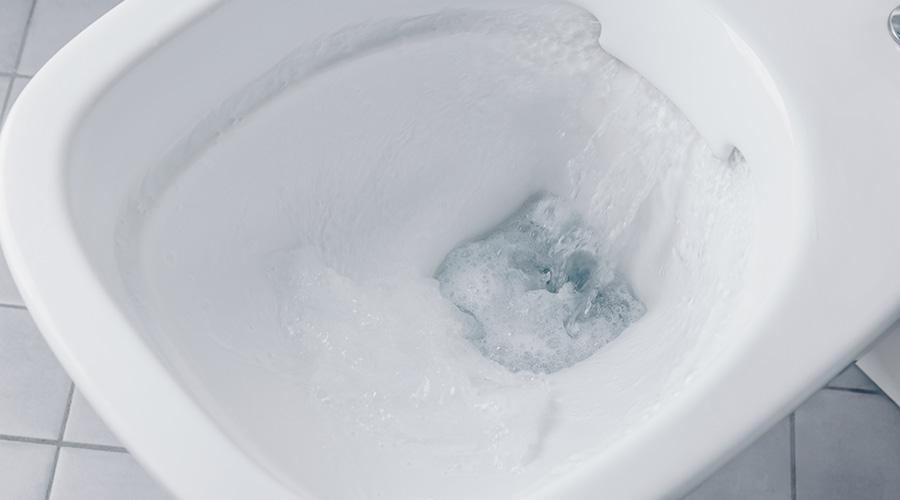
Toilets are not flush with contaminants, but flushing can create contamination risks. New research finds that a single flush results in airborne pathogen exposure that can be inhaled by the average adult. The study shows how consistent restroom care, with a focus on toilet hygiene, can mitigate microbial diseases and improve infection control programs.
Australian researchers analyzed studies about aerosol and bioaerosol generated during toilet flushing events, finding that aerosol particles remained airborne for no more than 20 seconds after a user flushed. Assessing flush volume and microbial concentrations, they determined that high pathogen levels among toilets resulted in a greater release of bioaerosols. Similarly, large flush volumes created increased aerosol production.
Common pathogens present in this "toilet plume" are legionella, influenza, and norovirus, as affirmed by The Guardian. Although public toilets easily become a microbial basin by nature of their function, this latest study determined how indoor aerosols are impacting ongoing infection prevention protocols. Moreover, the results highlight how the commercial cleaning industry can circumvent contaminant exposure.
One proposed solution is increasing cleaning frequencies. Restroom surfaces contain over 500,000 bacteria cells per square inch, making consistent cleaning, sanitation, and disinfection essential. Toilet hygiene can also be reinforced through hand hygiene compliance. According to Bradley Company's 2026 Healthy Handwashing Survey, 22 percent of public respondents skip washing their hands after using a restroom facility. The authors of this new research recommend washing hands before and after using a toilet to minimize disease transmission.
Commercial cleaning executives can also look at restroom design to enhance infection control. Selecting a toilet with a lower flush volume can reduce aerosol production. Increased ventilation may also mitigate airborne particles, dispersing contaminants before they are inhaled. As always, a toilet lid can help disrupt an upward pathogen pathway, as aerosols are forced to exit through gaps between the lid and toilet bowl instead.
Read the results of the research, published in Science of the Total Environment, here.