
 CleanLink Interactive Spring/Summer 2026 Issue
 Recognizing the 2026 Reader Choice Award Winners
 2026 Emerging Leader Award
 How Surfactant Use is Expanding in Commercial Cleaning
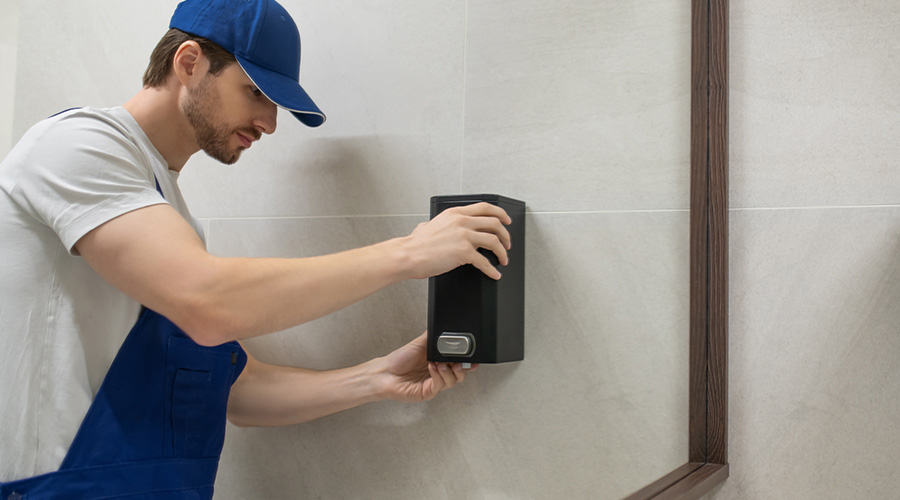
An empty soap dispenser or a nonworking sink can impede proper handwashing. In recognition of Global Handwashing Day, celebrated on October 15, Bradley Company is highlighting the essential role facility cleaning managers and maintenance professionals play in keeping restrooms clean, stocked, and ready to support hand hygiene.
Established by the Global Handwashing Partnership, Global Handwashing Day raised awareness of the importance of handwashing with soap, which is one of the simplest and most effective ways to help prevent diarrheal diseases and respiratory infections. The observance’s multi-year theme, “Be a Handwashing Hero,” encouraged people to champion clean hands in homes, schools, workplaces, and communities. Facility staff put that theme into practice every day by keeping handwashing stations supplied, functioning, and ready to use.
Bradley’s 2026 Healthy Handwashing Survey identifies empty soap or paper towel dispensers and dirty or nonworking sinks among the leading reasons people skip washing their hands in public restrooms. Nearly 80 percent of Americans also say touchless fixtures are important in public restrooms, underscoring expectations for convenient, easy-to-use handwashing areas.
“Encouraging handwashing starts with making sure people have what they need when they reach the sink,” says Jon Dommisse, Vice President of Business Development and Strategy at Bradley Company. “Facility maintenance professionals play an essential role by keeping soap available, fixtures working, and handwashing areas clean throughout the day.”
Handwashing Supports
Bradley recommends five ways facility cleaning managers and maintenance professionals can champion handwashing through everyday restroom upkeep:
1) Match supply checks to restroom traffic.
Review soap and paper towel levels before and after busy periods. Adjust replenishment schedules if supplies repeatedly run out between scheduled checks.
2) Test fixtures during routine rounds.
Check faucet activation, soap delivery, and hand dryer operation. Address inconsistent performance promptly, and follow manufacturer instructions for cleaning sensors, replacing batteries, and servicing components.
3) Keep sinks and surrounding areas clean.
Include basins, counters, and nearby floors in regular inspections. Resolve slow drains, leaks, and standing water that create additional cleanup work and affect the user experience.
4) Make maintenance smarter and more efficient.
When evaluating replacements or upgrades, look for visible supply indicators, easy-to-access service components, and refill systems that simplify replenishment. Where available, connected monitoring can help staff identify service needs and prioritize attention. These features can help reduce routine maintenance time and keep handwashing areas ready to use.
5) Reinforce the habit.
Help turn handwashing awareness into consistent practice by placing clear reminders near sinks. Provide a simple way for occupants to report empty dispensers or malfunctioning fixtures so they have the supplies and equipment needed to follow through.
Restroom Upkeep and Public Perception
The benefits of consistent maintenance extend beyond the handwashing area. Bradley’s survey found that 68 percent of Americans are more likely to return to—and spend more at—businesses with clean, well-maintained restrooms. Conversely, 73 percent say an unclean or unpleasant restroom makes them think twice about returning to a business.
“Facility managers and maintenance professionals are everyday handwashing heroes,” shares Dommisse. “By keeping soap available, fixtures functioning, and handwashing areas clean, they help people practice healthy habits and create a better experience for everyone who uses the facility.”