
 CleanLink Interactive Spring/Summer 2026 Issue
 Recognizing the 2026 Reader Choice Award Winners
 2026 Emerging Leader Award
 How Surfactant Use is Expanding in Commercial Cleaning
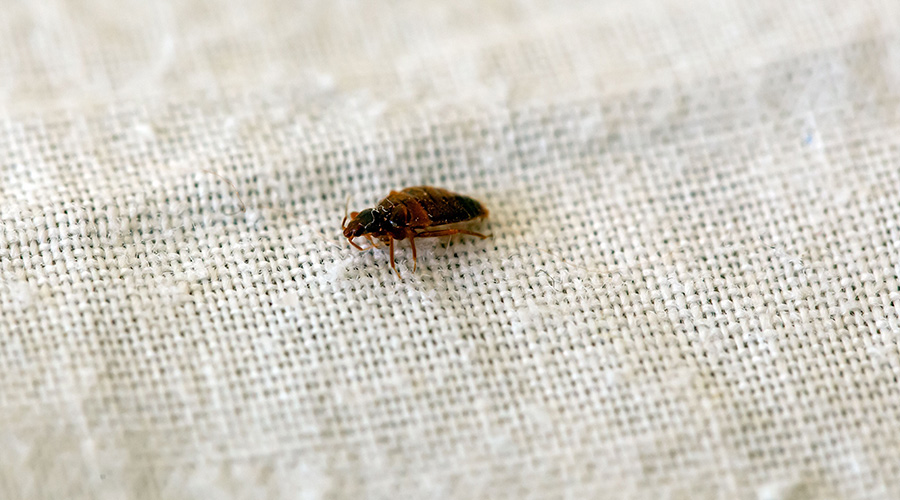
Instead of finding students learning in its classrooms, A Wisconsin-based elementary school discovered bed bugs.
Lowell Elementary School in Waukesha, Wisconsin, reported bed bugs in two of its classrooms, with a report identifying the pests on a staff member, student, and personal artifact from the same room. According to WISN 12 News, a student briefly entered a second classroom, flagging that area for contamination as well. Staff and students vacated these rooms and were relocated in an effort to minimize disruptions to student learning. There were no confirmed reports of infestation at this time.
This is not the first incident of pest sightings in 2026. In February, Charlotte Public Schools announced that two classrooms at its high school had bed bug activity, resulting in the district’s solicitation of pest control and pest treatment services. Similarly, in May, school officials from Manistee Middle High School in Michigan found bed bugs, mitigating the pest problem by adhering to its own pest management protocols.
A 2026 report identified an increase in bed bug infestations nationwide, particularly in the South. While bed bug cases typically rise in the spring and summer, likely attributed to seasonal vacations, bed bug populations can grow and spread quickly as people travel from one space to the next. These expert hitchhikers are persistent, but effective cleaning operations can prevent them from becoming a problem by following these tips:
1) Extreme Temps
Turning up the heat or making things cool can help eliminate bed bugs and their eggs. Equipment can also be used to address bed bug activity. A vacuum cleaner with a crevice tool can access tight spaces where bugs may be found—under desks, on top of chairs, and in other dark corners. After vacuuming, frontline staff can steam clean to penetrate cracks and crevices the vacuum could not reach, the high temperature eradicating both bugs and eggs simultaneously.
2) Chemical Considerations
Although applying chemicals, such as pesticides, can be a helpful strategy, cleaning teams should take precautions. Not only does the Environmental Protection Agency (EPA) evaluate the health and safety of pesticide products, but regulations can also vary state-by-state. Moreover, some pests have developed immunity to pesticides, limiting their efficacy. If using a chemical to treat bed bug activity, frontline staff should adhere to the manufacturer’s label and wear proper protective equipment (PPE).
3) Preventative Maintenance
The best way to address bed bug outbreaks is to implement proactive measures before they become a problem. Training is key. Frontline staff should be able to identify signs of an infestation, such as reddish or rust-colored stains on linen, exoskeletons and/or eggshells around hot spots (headboards, chair legs, etc.), or movement from the flat, brown, oval-shaped insects themselves.