
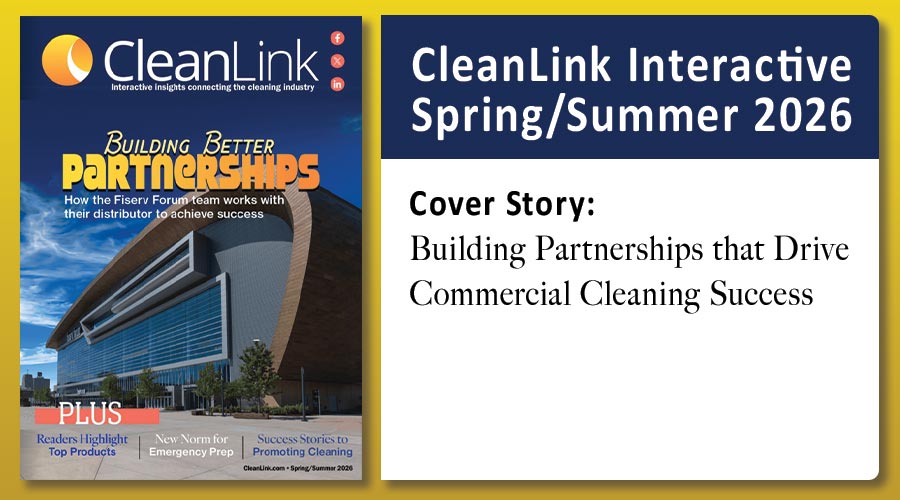
 CleanLink Interactive Spring/Summer 2026 Issue
 Recognizing the 2026 Reader Choice Award Winners
 2026 Emerging Leader Award
 How Surfactant Use is Expanding in Commercial Cleaning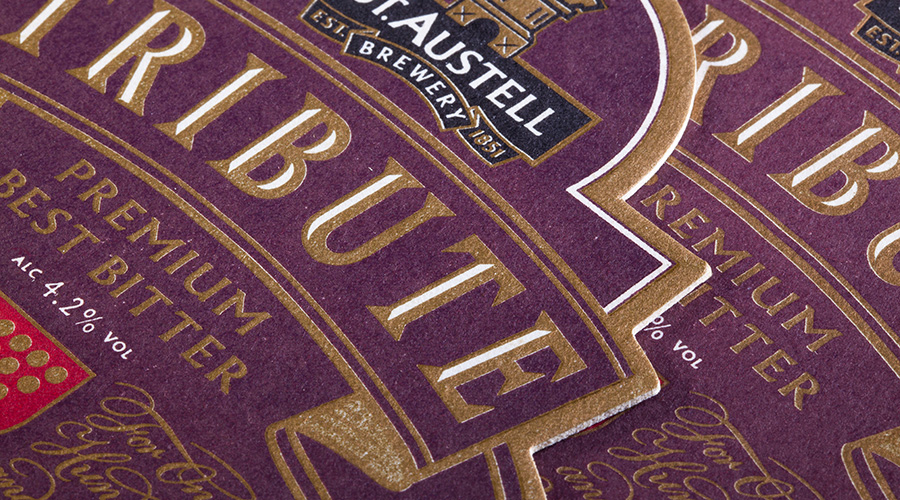
For commercial cleaning professionals, implementing sustainability initiatives is no longer just an environmental choice—it is a proven strategy to directly reduce waste management costs, improve water efficiency, and enhance brand loyalty.
A prime example of this data-driven approach to green facility management comes from a recent sustainability report by the UK-based St. Austell Brewery, which operates 45 pubs. Remarkably, their corporate-wide waste diversion efforts all started with a breakdown of the humble beer mat—also known as a coaster.
Target Hidden Waste
Traditional drink coasters are made from layers of paperboard, pulpboard, and specialized tissues designed to absorb moisture. Because of heavy inks and plasticized coatings, they are rarely recyclable. Once soiled, millions of these coasters head straight to landfills, bloating a facility's waste stream and increasing custodial disposal costs.
To tackle this hidden waste, St. Austell Brewery swapped traditional coasters for reusable, recyclable, and even plantable alternatives. To maximize engagement, they printed QR codes on the mats, allowing customers to seamlessly audit the brewery's sustainability benchmarks.
5 Sustainability Strategies
Beyond the coasters, the brewery implemented several high-impact facility practices that commercial building managers and contract cleaners can replicate to lower operational costs:
100 Percent Renewable Energy: All 45 properties now run entirely on renewable electricity, drastically cutting the organization's carbon footprint.
50 Percent Total Waste Reduction: Driven by an aggressive expansion of facility recycling efforts, overall trash volume has been slashed in half since 2023.
Commercial Food Waste Diversion: Food waste is down 40 percent year-over-year. By diverting food scraps away from landfills into composting or bio-conversion streams, the pubs have significantly reduced monthly trash collection fees.
Supply Chain Efficiency: Localizing delivery vendors cut "food miles" by one-third, significantly lowering greenhouse gas emissions.
Smart Water Efficiency: By installing waterless urinals, the pubs save more than 26,000 gallons of water per urinal per year, drastically lowering water utility bills.
Sustainability Performance Drives Profitability
Making sustainable facility practices visible to the public is a powerful tool for cementing customer and tenant loyalty. A recent study affirmed that when a company is transparent about its active eco-friendly efforts, 64 percent of consumers are willing to pay 10 percent more for products and services.
"St. Austell Brewery made their sustainability efforts highly visible to the public, which delivers a direct competitive advantage," says Klaus Reichardt, CEO and Founder of Waterless Co., Inc. "For building managers and janitorial operations, the takeaway is clear: maximizing your environmental performance isn't just good for the planet—it’s good for the bottom line."