
 CleanLink Interactive Spring/Summer 2026 Issue
 Recognizing the 2026 Reader Choice Award Winners
 2026 Emerging Leader Award
 How Surfactant Use is Expanding in Commercial Cleaning
Key Takeaways:
• As more employees work beyond traditional retirement age, cleaning managers must find ways to retain valuable experience while supporting changing workforce needs.
• Balancing the strengths of seasoned workers with the adaptability required for new technologies and evolving cleaning practices is critical for long-term success.
• Flexible work arrangements and knowledge-sharing strategies can help cleaning departments address labor shortages and maintain productivity.
When I joined Facility Cleaning Decisions in 2005, I was young to step into a chief editor role, but I also joined a relatively young corporate team. Twenty-one years later, I’m watching many of those longtime colleagues and friends—mostly Baby Boomers—retire and move into the next stage of their lives.
According to labor statistics, our company is somewhat unique in that employees tend to stay for 20, 30, or even 40 years. Our employees also seem to buck another trend by retiring before the age of 60.
Meanwhile, outside our company, more Baby Boomers are remaining in the workforce longer. According to AARP surveys, roughly 60 percent blame inflation for eroding their savings, forcing them to continue working to cover housing, healthcare, and everyday living expenses.
But finances are only part of the story. Research from the Georgetown Center for Retirement Initiatives suggests the rise in “unretirement” is also tied to the desire to stay socially engaged, mentally active, and connected to a sense of purpose. Those factors, researchers say, can contribute to improved health and well-being as people age.
Then there is “semi-retirement,” where individuals choose part-time work or more flexible schedules instead of leaving the workforce entirely. According to research from MassMutual, as many as 40 percent of adults over age 55 plan to work part-time for the rest of their lives.
What does this mean for facility cleaning teams? According to the leaders featured in our cover story, employees working beyond traditional retirement age can create challenges related to productivity and adaptability. Some may take longer to complete physically demanding tasks, struggle with heavy lifting or moving large equipment, or resist changes involving new technologies, sustainability initiatives, or the use of less-hazardous cleaning products.
Still, despite the challenges that can come with retaining aging workers, departments are rarely eager to push them out. Institutional knowledge and seasoned problem-solving skills remain valuable assets, especially as organizations continue to battle widespread labor shortages. Mature employees also tend to demonstrate stronger loyalty, better punctuality, and lower absenteeism compared to younger demographics.
For facility cleaning managers, the challenge is finding the right balance between supporting experienced employees and preparing teams for the future. As the workforce continues to shift, departments that successfully blend experience with adaptability will be better positioned to maintain productivity, preserve workplace culture, and navigate ongoing labor shortages. Learn more about how facility cleaning managers are tackling labor challenges, as well as budget fluctuations, and emerging technologies here.
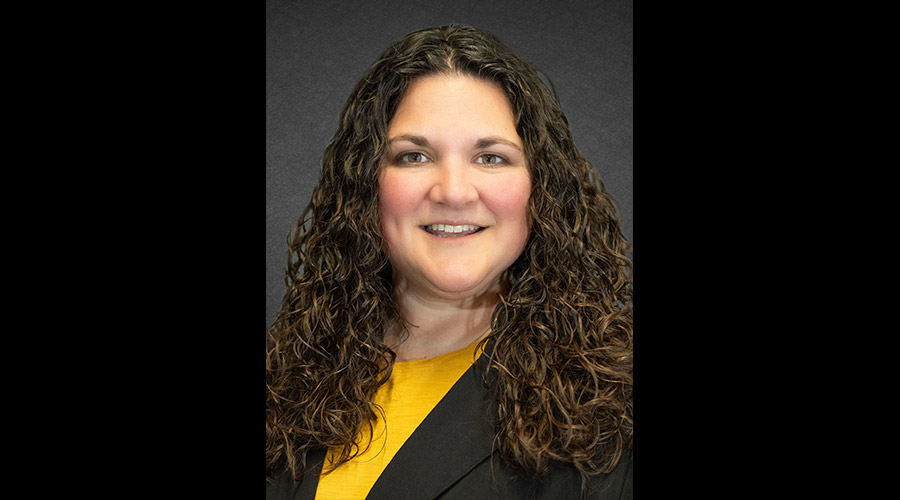
Corinne Zudonyi has been in the commercial cleaning industry for over 20 years and is proud to serve as Editor-In-Chief of Contracting Profits (the official publication of BSCAI), Facility Cleaning Decisions, and Sanitary Maintenance (the North American media partner of Interclean Amsterdam) magazines, publications that serve the professional cleaning industry. Additionally, Corinne manages CleanLink.com, the leading digital resource for the commercial cleaning industry, and she uses her industry knowledge to steer educational topics for Clean Buildings at NFMT East.
Corinne is the sole U.S. representative to serve on the international Interclean Amsterdam Innovation Jury, where she weighs in on product trends impacting commercial cleaning on a global scale. She also works closely with Healthy Green Schools & Colleges to advance healthy and sustainable cleaning in educational facilities. As a member of the CLEAN Awards Jury, through the Building Service Contractors Association International, Corinne also helps recognize cleaning contractors and their companies for outstanding service to the industry.
Corinne can commonly be found moderating industry panel discussions, presenting education, and focusing on bringing awareness and affirmation for the wonderful work that people do to keep facilities clean and building occupants safe and healthy.
Follow Corinne on LinkedIn here.