
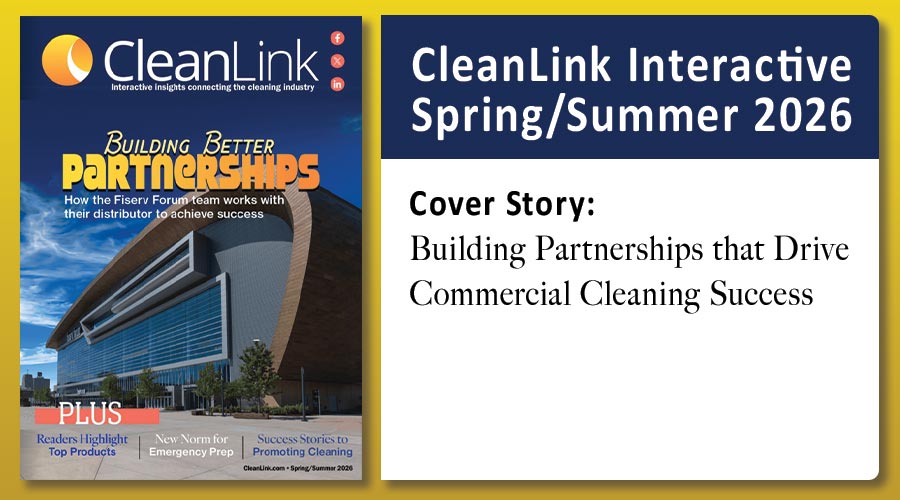
 CleanLink Interactive Spring/Summer 2026 Issue
 Recognizing the 2026 Reader Choice Award Winners
 2026 Emerging Leader Award
 How Surfactant Use is Expanding in Commercial Cleaning
By Sammy Brinkley, Anago Master Franchise, Anago of The Triangle
Commercial cleaning service providers have always operated in environments shaped by regulations, safety standards, and compliance expectations. What has changed in recent years is the level of scrutiny. Clients today are asking more questions, expecting more documentation, and looking more closely at whether their cleaning partners truly understand the regulatory responsibilities tied to the facilities they service.
That shift is happening across industries. Healthcare facilities, schools, manufacturing plants, office campuses, and multi-tenant commercial buildings all face growing pressure to maintain healthier, safer, and better-documented environments. As a result, facility managers are looking for cleaning providers that can deliver more than appearances. They want partners who understand protocols, employee training, chemical handling, reporting requirements, and operational consistency.
For building service contractors (BSCs), compliance is no longer a back-office concern. It’s become part of the customer experience.
Regulations Continue to Shape Client Expectations
One of the biggest misconceptions in commercial cleaning is that compliance only matters in highly regulated environments like healthcare or food production. Nearly every commercial facility today operates under some form of workplace safety, sanitation, or environmental expectation.
Even when a facility is not directly audited, property managers and business owners increasingly expect vendors to align with recognized industry standards. Cleaning companies that fail to demonstrate structure and accountability often lose ground to providers that can clearly communicate their processes.
In many cases, the differentiator is not price. It’s professionalism.
The Importance of Documentation
During the pandemic, many facility managers became accustomed to detailed cleaning logs, service verification, and visible sanitation procedures. While some emergency-era protocols have eased, the demand for documentation has remained.
Clients want transparency. They want proof that work was completed correctly, consistently, and safely. That means commercial cleaning service providers should evaluate whether they have systems in place to support accountability. Strong operational documentation may include:
• Site-specific cleaning checklists
• Incident reporting procedures
• Equipment maintenance tracking
• Chemical inventory management
• Service verification logs
• Quality assurance inspections
Technology has helped make this easier. Digital reporting tools, mobile inspections, and cloud-based communication systems allow cleaning teams to provide real-time visibility into completed work and ongoing service performance.
More importantly, documentation protects everyone involved. It gives clients confidence while helping contractors reduce operational risk.
Training Cannot Be Treated as a One-Time Exercise
One of the fastest ways compliance issues emerge is through inconsistent education and training. Many cleaning companies onboard employees properly but fail to reinforce standards as teams grow, turnover occurs, or client expectations evolve.
Regulatory alignment requires continuous education. That includes ongoing instruction around chemical handling, personal protective equipment (PPE) usage, bloodborne pathogen protocols, equipment operation, ergonomics, and emergency procedures. It also means training supervisors to recognize compliance gaps before they become larger operational problems.
The strongest cleaning organizations build training into their culture instead of treating it as a standalone requirement.
In our industry, frontline employees often represent the largest operational variable. When team members clearly understand expectations and procedures, service quality improves, workplace injuries decrease, and client trust grows stronger.
Consistency Across Multi-Site Facilities
Compliance challenges become even more complicated when organizations manage multiple properties across different markets. One location may maintain excellent standards while another struggles with inconsistent execution.
Facility managers notice those gaps quickly. That’s why standard operating procedures are so important in commercial cleaning. Clients expect the same level of service, reporting, and professionalism regardless of geography.
For cleaning providers, consistency requires operational discipline. Standardized orientation and training programs, documented workflows, quality assurance processes, and routine communication all help reduce variability across accounts.
It’s not enough to simply clean a building well once. Clients expect repeatable performances every day.
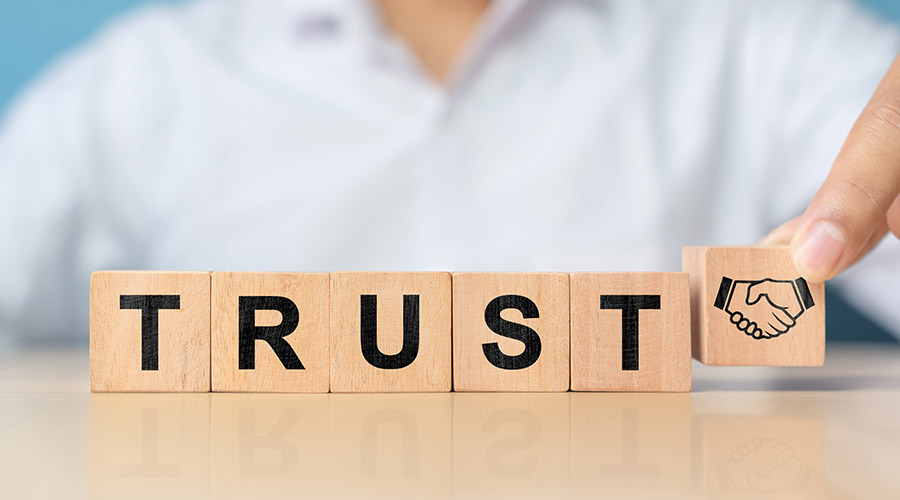
Compliance Is Ultimately About Trust
At its core, regulatory compliance in commercial cleaning is not just about avoiding violations or meeting minimum requirements. It’s about building trust.
Facility managers trust cleaning providers to help protect employees, tenants, visitors, and customers. They trust them to operate safely inside occupied buildings. They trust them to follow procedures that support healthier environments and reduce liability risks.
The companies that will continue to grow in this industry are those that recognize compliance as a value driver rather than an obligation.
Clients want cleaning partners that bring structure, accountability, communication, and professionalism to the table. Meeting regulatory expectations is no longer separate from delivering excellent service. Today, the two go hand in hand.
Sammy Brinkley is the Master Franchise Owner for Anago of The Triangle, part of the Anago Cleaning Systems brand, supporting over 1800 franchises across the U.S. and Canada. With nearly a decade of experience in commercial cleaning operations, Brinkley specializes in regulatory compliance within commercial facilities.
Brinkley holds certifications in GBAC Fundamentals, CleanCheck Post-Pandemic Cleanup-Disinfection, and Bloodborne Pathogens. In 2023, Anago of The Triangle was recognized by the Better Business Bureau of Eastern Carolinas with the Torch Award for Marketplace Ethics.
For more information about Anago of The Triangle, visit www.AnagoCleaning.com/TheTriangle.
posted on 7/6/2026
