
 CleanLink Interactive Spring/Summer 2026 Issue
 Recognizing the 2026 Reader Choice Award Winners
 2026 Emerging Leader Award
 How Surfactant Use is Expanding in Commercial Cleaning
 CleanLink OpEx Series Module 2: Productivity


The jan/san industry is not a product-centered business, it’s a people-centered one. Success as a jan/san distributor is the direct result of passionate personnel placing tools in the hands of those who work to create safe and healthy environments. As an integral intermediary, the sales team connects distributors with end users to establish and sustain lasting partnerships. The notable members of this group—the sales superstars—go one step further by not only leading the sales division in setting and meeting goals but also guiding others to success alongside them.
Sanitary Maintenance annually solicits nominations to recognize the sales leaders who consistently go above and beyond both personally and professionally. The six selected winners of the 2026 Sales Leader Award are changemakers—they embrace innovations and seamlessly integrate them into their practice. To learn more about how they achieved success in their field, Sanitary Maintenance reached out to each of the six winners for their nuggets of wisdom.
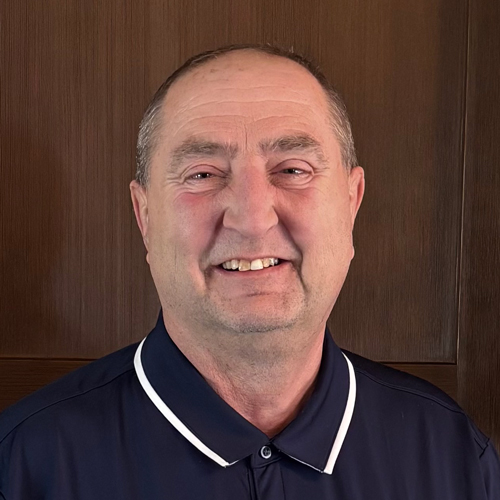
Jeff Eisenbeisz
Territory Sales Representative
Cole Paper & Maintenance Supplies
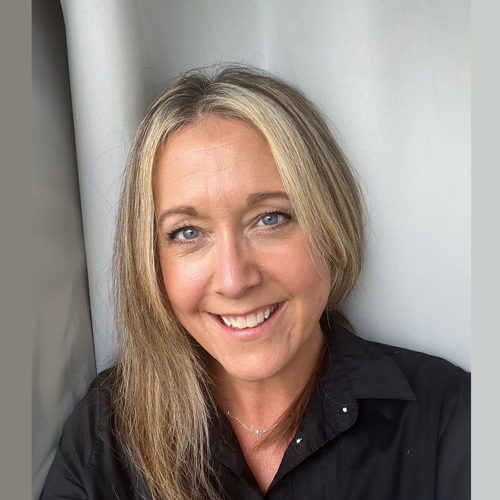
Biz Goforth
Manufacturing Account Manager
Grainger

Jeff Madsen
Senior Account Executive
Imperial Dade/Dalco

Adam Schmidt
Sales Representative
Nassco, Inc.
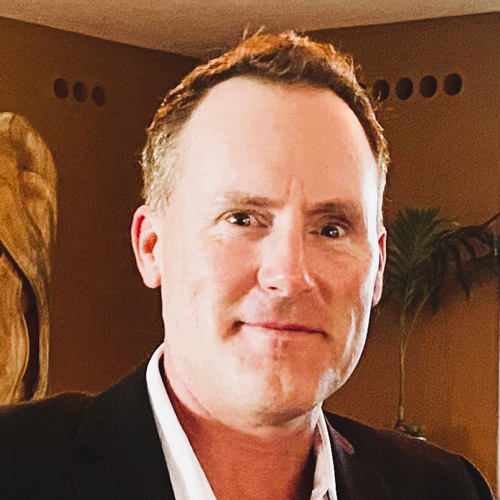
Mark Baldwin
Sales Executive Southern Oregon
Walter E. Nelson Co.
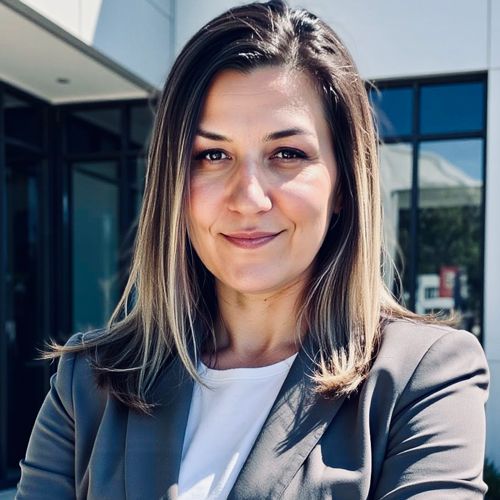
Nena Smith
Senior Accountant Consultant
WAXIE Sanitary Supply, a BradyPLUS company
When did you start in sales, and how did your initial interest in sales shape the approach you use in your career today?
EISENBEISZ—Actually, I started as a kid. On Halloween, I went around with a can from the United Nations International Children’s Emergency Fund (UNICEF), knocking on the doors and saying, “Trick or treat for UNICEF,” to collect donations. Then, I sold packets of garden and flower seeds door-to-door. Going door-to-door and seeing people was the approach, and I still use it to this day. I try to go out and see people as much as possible; not many people do that anymore.
MADSEN—I knocked on my first door back in the fall of 1991. At first, it was brutal, and I thought everyone wanted to know the detailed chemistry of what I was selling. Soon, I found out that most people just want a product that solves their problems.
SMITH—I started in this industry 25 years ago in customer service, where problem-solving was part of the daily work. Sales became a natural progression because I was already focused on understanding challenges and building solutions that actually worked. That mindset still guides how I partner with clients today.
GOFORTH—I started my sales position in 2019 and was instantly set on relationship building. I am a helper by nature and have a true desire to help others with their daily challenges.
SCHMIDT—I’ve been in professional sales for over 15 years. My initial interest came from the opportunity to build long-term connections with individuals. A sales role custom fits my extroverted personality, and over the years, has challenged me to become a more value-driven seller. I’ve tailored my approach to try and be an extension of a customer’s team, which provides the chance to help solve pain points and challenges so they can focus on their own organizational goals and key performance indicators (KPIs).
BALDWIN—I started in sales in 1997 and was the inside salesperson who also ran the warehouse. Interacting with customers and current salespeople sparked my interest. I always considered myself a business partner with the customers who came into the store, and I still believe that today. I am not just their sales rep; I am a business partner.
Who mentored you to become the sales leader you are today, and what core principles or guidance have been most instrumental in your career?
SMITH—I’ve been shaped by leaders who recognized my desire to take on more and were willing to challenge me before I felt fully ready. They trusted me with opportunities that stretched my skills and pushed me to think beyond the immediate sale. The most important guidance I took from them was to stay curious, take ownership of outcomes, and lead with integrity.
SCHMIDT—There have been a multitude of influential people in my professional career, each with their own unique skill sets and approaches that I’ve pulled from over the years. One of the most basic core principles I’ve always believed has been to be clear, concise, and coherent. Simply put: be unambiguous, direct in your purpose, and establish a logical flow within the message.
BALDWIN—Kelly Tellegen was my sales manager for many years and instilled in me the importance of always putting the customer first. The most instrumental core principle in my career is being trustworthy and knowledgeable—learning everything I can about our industry so I can bring value to our customers is very important to me.
MADSEN—I am lucky enough to have three mentors who helped me become both a better salesperson and human throughout my career. My first boss was Terry Kukla, and he was a huge help in honing my organizational skills. He taught me about laughing at yourself and learning from it. There was Jack Loughrey, with whom I was lucky enough to work side-by-side for 21 years. Finally, Don Stelli, who is a local legend, had a motto: “Always do what is right for your customer.”
GOFORTH—I have been blessed to have many influential leaders during my career. One of the biggest mentors was Michele Peterson. I worked with her at Office Max, and she mentored me personally and professionally for 13 years. The core principles that I lead with are starting with the customer to understand their roles, processes, and challenges to help find ways to provide real solutions that assist them in their day-to-day operations.
EISENBEISZ—My mom and dad were my biggest mentors. They taught me that if I want anything, I have to earn it and work for it. Later, a guy named Mel Grams hired me to drive a truck and make deliveries. One day, when I went to the warehouse office, Mel convinced me to get into sales. I guess he saw my work ethic and personality and knew I would love it. Now, I thrive on my customers—if you take care of them, they will take care of you. I like to think of it as a working friendship; I would do anything to take care of them. Of course, that wouldn’t be possible without my biggest hero, my wife of 45 years. She has taken care of the home front while I’ve been on the road—raising our daughter, taking care of everything that needs to be done, and even making deliveries to my customers. She has always supported me and truly is my hero.
What have you found most effective in assisting with the skills development of emerging sales representatives?
GOFORTH—The advice I’ve found most effective when mentoring emerging or new sellers on my team is to simply show up. Consistency, dependability, and responsiveness matter. Taking a genuine interest in both the company and the people you work with makes all the difference.
BALDWIN—The best advice I have given to emerging sales professionals is to devote themselves to learning the needs of the customer—listen and never leave a customer out to dry.
EISENBEISZ—Be prepared—study it before you show it. Make sure what you’re presenting is something a customer is interested in. Go out and see people during the day and do your paperwork and follow-ups at night. Be positive and tell the truth all the time. If you’re not sure, tell them you will find out and get back to them. And then, make sure you do just that.
SCHMIDT—Be adaptive and resilient. Rejection is something newer reps find difficult to overcome, but it’s going to happen more often than not. Over 90 percent of cold calls result in a “no,” and that’s okay. Be patient and don’t take it as a failure, but as an opportunity to grow. Secondly, do your research before the initial discussion. Even if it’s just a few minutes of prep, you should learn about the customer, a brief business history, and any relevant news. Thirdly, I tend to speak more about the benefits of a product or solution rather than the features. Essentially, how can the product you’re proposing help and support the customer? Finally, don’t be afraid to be a bit modest and talk about some of your own personal successes to provide some basic credibility.
SMITH—I encourage emerging reps to spend more time asking thoughtful questions, understanding operations, and learning how their clients work day-to-day. Equally important is to approach each opportunity with an entrepreneurial mindset. That means thinking like an owner, taking responsibility for outcomes, and focusing on long-term value rather than short-term wins.
MADSEN—I have learned that you will never have an advantage over products or price—it always comes down to the individuals involved. Your products are good, and your price is good, but how are you differentiating yourself from your competitors? Be the reason the customer buys from your company.
Sales Success: Past, Present, and Future