
 CleanLink Interactive Spring/Summer 2026 Issue
 Recognizing the 2026 Reader Choice Award Winners
 2026 Emerging Leader Award
 How Surfactant Use is Expanding in Commercial Cleaning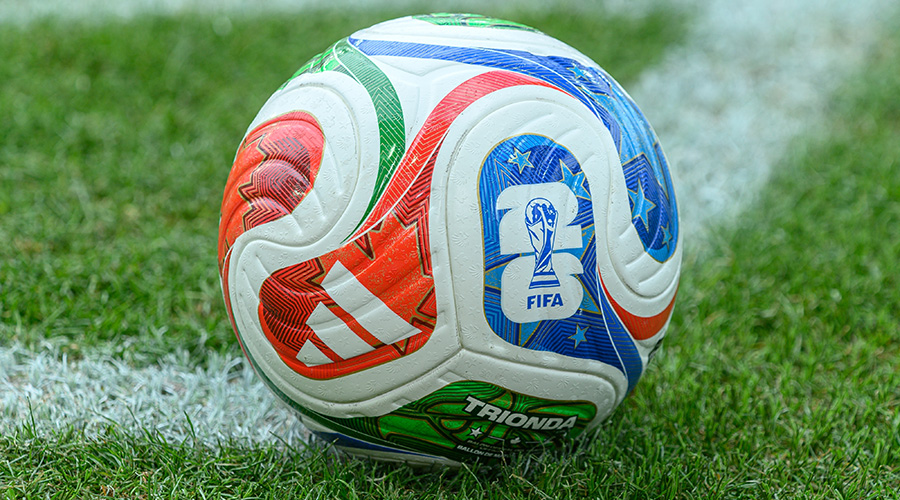
A scene other than soccer has gained attention at World Cup matches held in the United States. Following the end of a match held at AT&T Stadium, Dallas, Japanese fans got up and started cleaning. The blue bags they treated as celebratory flags during the game became part of their waste diversion efforts at its conclusion.
This tradition—first witnessed at the 1998 World Cup in France—is embedded in Japanese culture. In an article, a Samurai Blue fan shared that cleaning is not only a sign of respect, but a way of life. In Japan, children are taught to care for their classrooms and homes by engaging in routine cleaning tasks.
Not an average sporting event, the World Cup requires waste management operations on a significant scale. Across all three host countries—the U.S., Canada, and Mexico—around 6 to 8 million fans are expected to attend 104 matches and generate an estimated 4 to 5 million pounds of waste. FIFA and local organizers implemented preventative measures to encourage waste reduction and sustainability, including broader recycling and composting campaigns at AT&T Stadium.
Essential to these efforts is public awareness and education. While Japanese soccer fans are setting a global example, other foreign visitors are also contributing to an improved clean. In Boston, the Tartan Army, the name of Scottish national team fans, were so thorough in tidying up after their celebrations that a city sanitation employee expressed how effortless they made his job.