
 CleanLink Interactive Spring/Summer 2026 Issue
 Recognizing the 2026 Reader Choice Award Winners
 2026 Emerging Leader Award
 How Surfactant Use is Expanding in Commercial Cleaning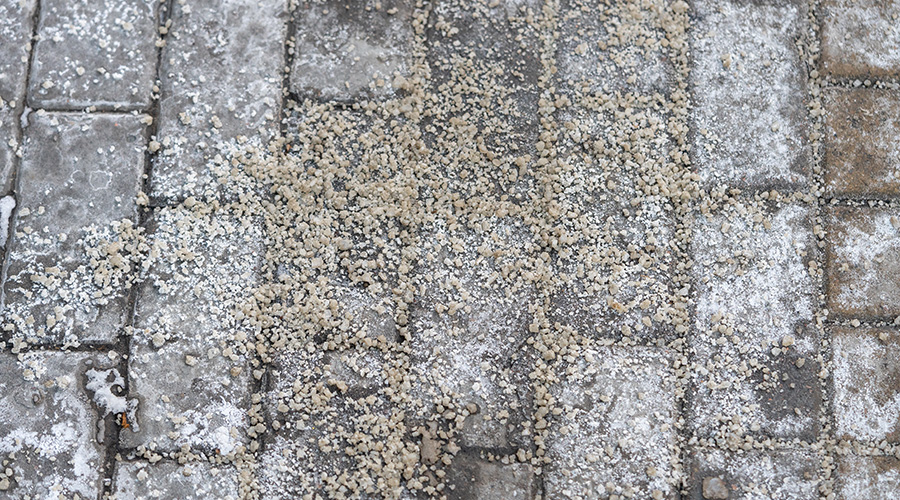
Punxsutawney Phil pronounced that the U.S. is expected to face six more weeks of winter, a prediction facility managers must face when strategizing how to prepare for the weather. Snow and ice melt are popular products that commercial cleaning executives employ to mitigate slip hazards and support staff safety. However, the application of sodium chloride to salt paved lots and sidewalks adversely affects freshwater ecosystems.
Stroud Water Research Center suggests implementing practices that not only reduce salt use by 30 to 50 percent but also offer a sustainable solution to winter weather risks. One method is to only use the recommended deicer amount, as overuse can cause damage to concrete and indoor flooring, as well as the environment. Preventative maintenance, such as treating walkways prior to a winter storm, can also lessen over-salting and improve melting conditions.
Additionally, the Environmental Protection Agency (EPA) recommends alternative materials—calcium chloride, magnesium chloride, or calcium magnesium acetate—as they offer operational and ecological benefits. Some of these snow and ice melt products contain colorants, enabling cleaning teams to accurately gauge how much product has been used. While the immediate cost of these materials may be priced higher than traditional salting products, the indirect costs to infrastructure, human health, and the environment are far greater.