
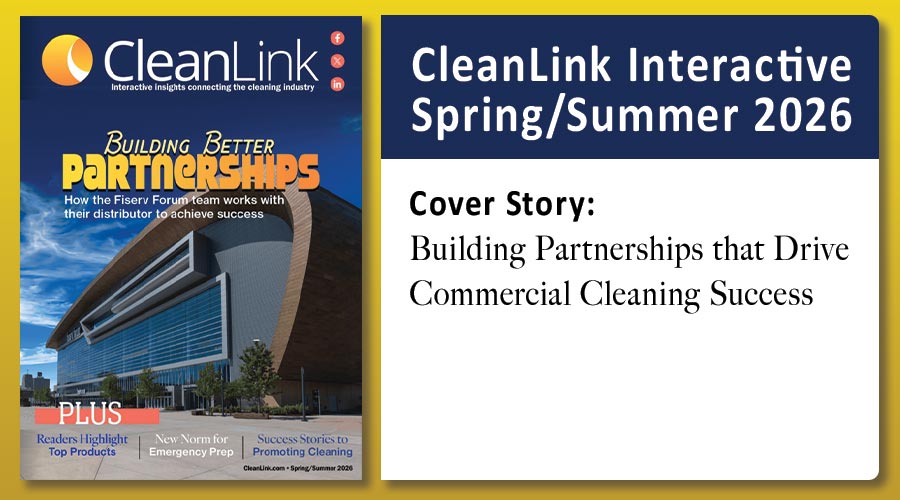
 CleanLink Interactive Spring/Summer 2026 Issue
 Recognizing the 2026 Reader Choice Award Winners
 2026 Emerging Leader Award
 How Surfactant Use is Expanding in Commercial Cleaning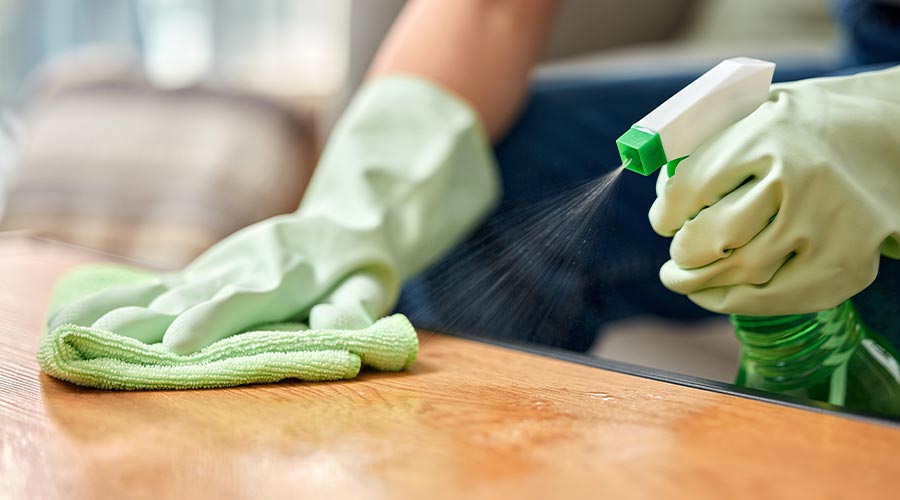
Communities nationwide are advised to adopt cleaning protocols more than ever in an effort to prevent the spread of severe winter illnesses, the American Association of Retired Persons (AARP) shares. According to USA Today, the Centers for Disease Control and Prevention (CDC) reported 180,000 hospitalizations and 7,400 deaths attributed to subclade K, a mutation of influenza. Additional infectious diseases, such as measles, are reaching record highs, U.S. News adds. Aside from vaccine recommendations, experts suggest implementing hygienic practices that support infection control and prevention, as the American Cleaning Institute (ACI) affirms.
However, some habits are not healthy, and it is essential to recognize proper procedures to avoid cleaning consequences and the spread of germs, as WFMY News 2 purports. The top three mistakes are listed below, with tips on how to better create safe and healthy environments.
1. Dry dusting or sweeping
Typically, dry dusting and sweeping work for a quick dusting solution. However, it typically stirs fine particles, pushing rather than removing the remaining particles until everything settles, as AirPurifiers.com asserts. Instead, using a microfiber cloth followed by wet dusting can lift and remove debris, ensuring a quality level of clean, RealSimple says
2. Reusing a cloth or mop head
Sustainability signals the following refrain: reduce, reuse, and recycle. However, if handled incorrectly, using the same cloth or mop head from room to room can lead to cross-contamination as pathogens are transferred onto other surfaces, Infection Control Today states. To tackle high-touch surfaces with efficacy, frontline cleaning crews could use disposable cloths and wipes, ensuring tool heads are changed out frequently from space to space, CleanLink notes.
3. Disregarding disinfectant dwell times
Each cleaning product adheres to a specified contact period, allowing the solution to break down bacterial cell walls, ReAgent states. As CleanSource says, if wiped away before the dwell time is up, the pathogens are simply being redistributed. It is imperative for cleaning teams to check the label of each disinfectant to determine how long it must remain wet on a surface prior to wiping it off, Cleansolution shares.