 CleanLink Interactive Spring/Summer 2026 Issue
 Recognizing the 2026 Reader Choice Award Winners
 2026 Emerging Leader Award
 How Surfactant Use is Expanding in Commercial Cleaning
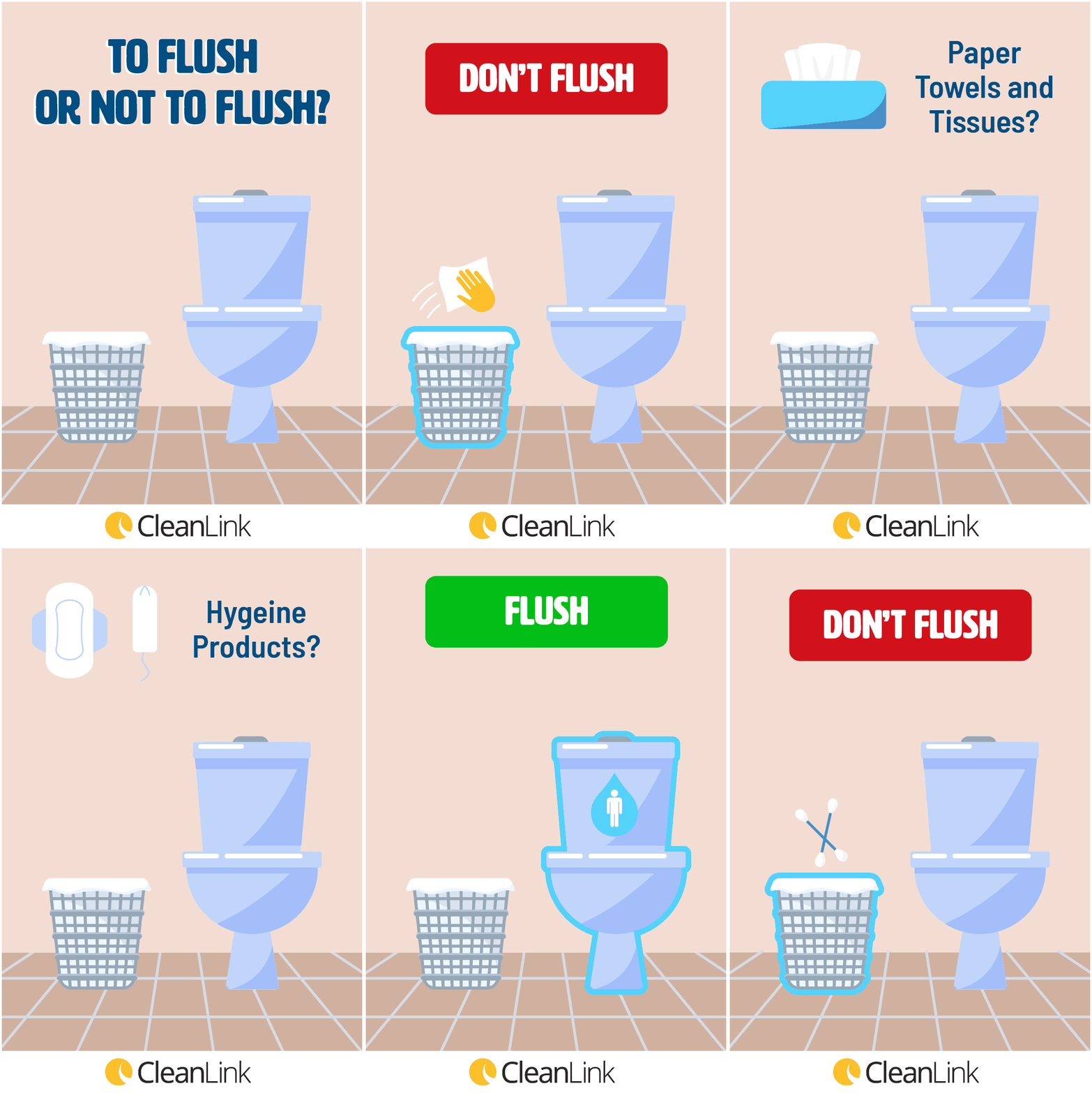
Dental floss, cigarette butts, hair, and cat litter all share one thing in common: They are items commonly found by plumbers working on damaged drainage systems. Although building occupants may not intend to cause harm when they toss an extra item into the toilet, these non-flushable items cause costly consequences for commercial cleaning executives. In fact, over $440 million is spent on compromised wastewater treatment equipment nationwide.
To educate the public on this potty problem, the Responsible Flushing Alliance (RFA) renewed its annual #FlushSmart campaign for July. To improve restroom hygiene, both frontline staff and facility occupants need to know what they can and cannot flush. Training and clear signage can encourage compliance that safeguards both people and environments.