
 CleanLink Interactive Spring/Summer 2026 Issue
 Recognizing the 2026 Reader Choice Award Winners
 2026 Emerging Leader Award
 How Surfactant Use is Expanding in Commercial Cleaning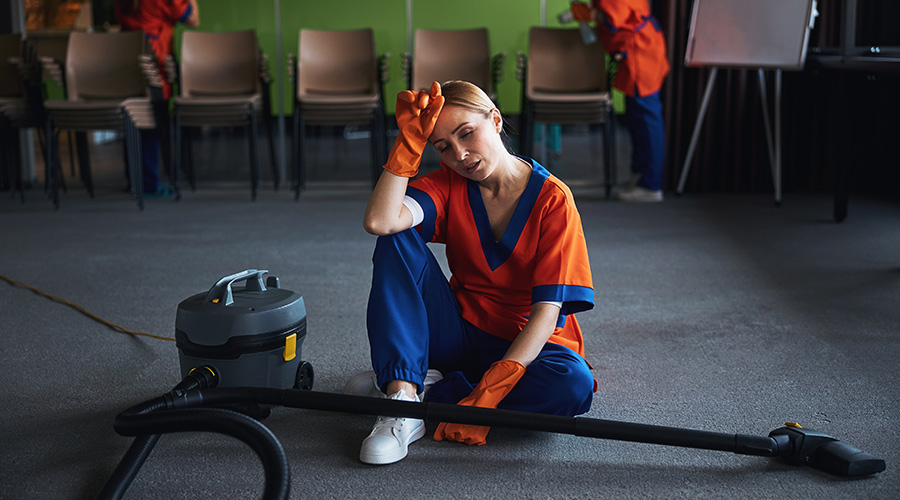
New research finds that heat stress has grown in intensity, compromising company productivity and staff safety.
A climate change study tracked warm weather by frequency, duration, and severity—all of which increased. Across the continent, extreme heat during the day and night is contributing to global heat illness risks. These prolonged warm temperatures are becoming more common, and commercial cleaning operations, especially those involving exterior maintenance, will need to address exposure.
Professional cleaning companies that do not proactively prepare against heat hazards may undermine operational efficiency. A study found that an estimated 677 billion hours of labor were lost due to prolonged heat and humidity exposure. Alongside productivity losses are employee absences due to heat illnesses and injuries, placing pressure on ongoing operational challenges.
The Occupational Safety and Health Administration (OSHA) sought to safeguard employees from heat-related threats by revising its National Emphasis Program. The updates call upon management to refine inspections and compliance measures. Facility heat plans should also be reviewed and revised to support employee education on heat illness signs, as well as define an oversight structure.
A first step to outlining a plan is to identify a workplace heat standard. Select an internal and external temperature that prompts a response protocol that prioritizes workers’ well-being. Three additional elements to enforce are accessibility to water, rest, and shade. Dehydration, in particular, is a major factor contributing to heat stress, with studies showing staff arriving and leaving work dehydrated.
Technology can assist commercial cleaning executives in ensuring employee health and safety. One solution is the integration of Internet of Things (IoT) into personal protective equipment (PPE). This innovation monitors body temperature and additional vital signs, alerting when temperatures exceed safe levels. Smart sensors and systems can also detect maintenance needs as they occur, minimizing cooling machinery breakdowns. Real-time feedback allows cleaning crews to adapt to increasing heat hazards and perform consistently.