
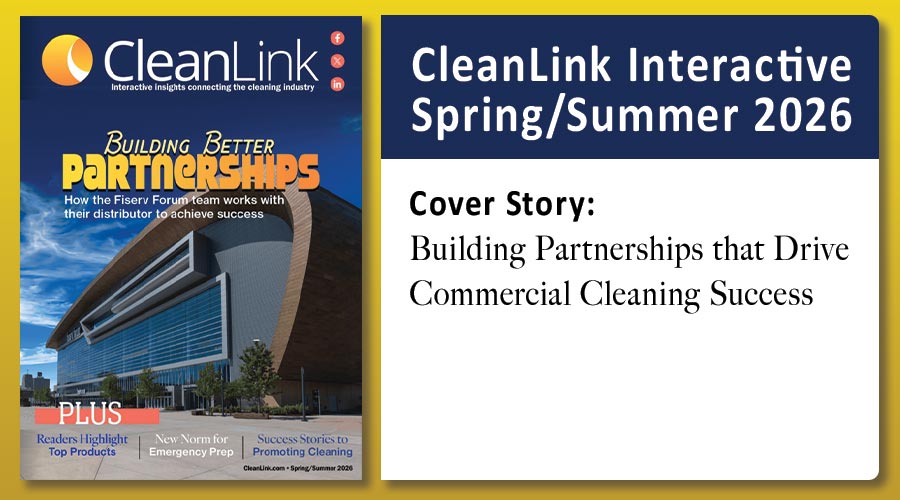
 CleanLink Interactive Spring/Summer 2026 Issue
 Recognizing the 2026 Reader Choice Award Winners
 2026 Emerging Leader Award
 How Surfactant Use is Expanding in Commercial Cleaning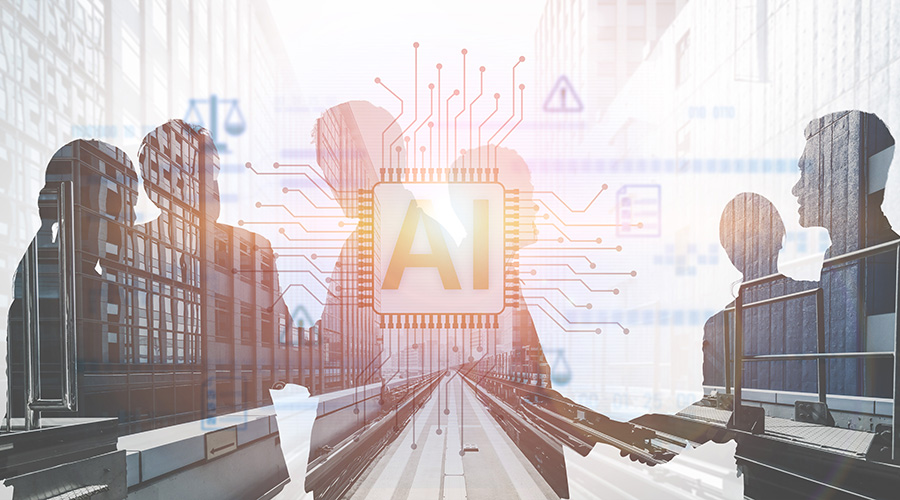
A survey about AI adoption trends found most organizations plan to integrate automation into their daily operations to meet growing compliance and data reporting demands.
Over the years, the commercial cleaning industry has embraced technological advancements; yet artificial intelligence (AI) remains a prominent digital tool. In fact, the report revealed 84 percent of respondents plan to implement AI as their leading strategy to tackle operational complexities. From regulatory fragmentation to supply chain disruptions, attaining real-time visibility has become critical.
Topping the list of concerns for contract cleaning executives is how to cultivate a safe workplace (61 percent) and manage exposure risks (57 percent). Constantly shifting policies can result in operational gaps, which lead to avoidable accidents. Digitalizing performance indicators alongside workplace processes can provide real-time feedback that effectively mitigates hazards and enhances cleaning systems. At present, 45 percent are willing to invest in AI reporting methods.
One trend that is at the heart of contract cleaning operations is the desire to implement interoperability when engaging with new technologies. According to the survey, 79 percent of organizations prioritize human oversight when adopting AI systems. This collaborative model can ensure accountability, enhance the software’s predictive models, and reduce reporting errors. It also guarantees frontline teams can keep their positions while elevating their services.
To learn more about AI and how organizations plan to integrate it within the next two years, click here.