
 CleanLink Interactive Spring/Summer 2026 Issue
 Recognizing the 2026 Reader Choice Award Winners
 2026 Emerging Leader Award
 How Surfactant Use is Expanding in Commercial Cleaning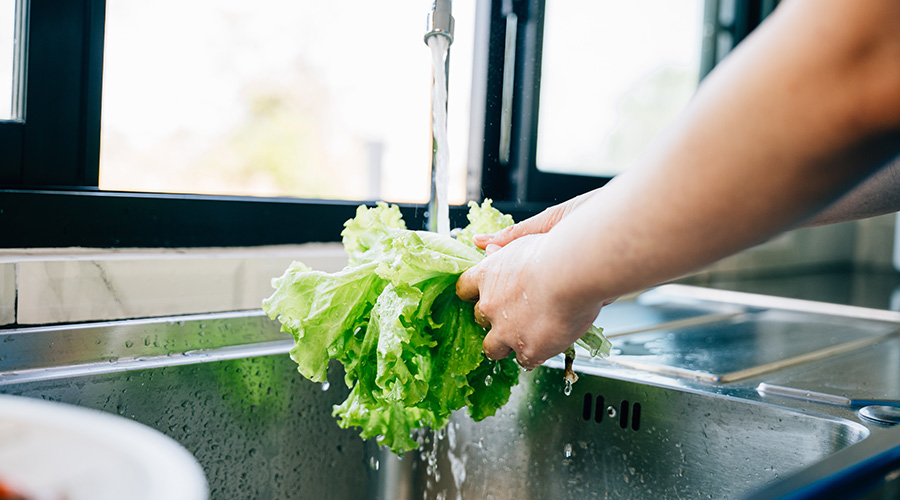
A summer illness is causing consumers to evacuate the produce aisle as its cases continue to rise across the United States.
Since May, 843 confirmed cases of cyclosporiasis—a gastrointestinal disease—have been reported to the Centers for Disease Control and Prevention (CDC), with more cases recorded in the 31 states affected by the parasite. Although the outbreak has identified a possible source, this intestinal illness is associated with the consumption of contaminated fruit and vegetables. The rising numbers are a public health concern that the commercial cleaning industry can address through top infection prevention and control measures.
The Food and Drug Administration (FDA) considers restroom hygiene and personal handwashing habits as factors contributing to the spread of this disease. Cleaning crews can reduce cross-contamination by prioritizing high-touch surfaces, helping break the chain of transmission. When facilities are armed with an effective cleaning system, contracting germs via surface contact is reduced by 80 percent.
Moreover, hand hygiene remains the top infection control method. Especially in the foodservice industry, where fresh produce is handled, effective hand hygiene practices can mitigate cyclosporiasis contamination. Consistent handwashing prevents 30 percent of diarrhea-related illnesses—including the parasite plaguing the U.S.
Facility cleaning managers and commercial cleaning executives can also reinforce response protocols by educating frontline staff on symptoms, evaluating hand hygiene compliance, and reporting to public health authorities in a timely manner.