
 CleanLink Interactive Spring/Summer 2026 Issue
 Recognizing the 2026 Reader Choice Award Winners
 2026 Emerging Leader Award
 How Surfactant Use is Expanding in Commercial Cleaning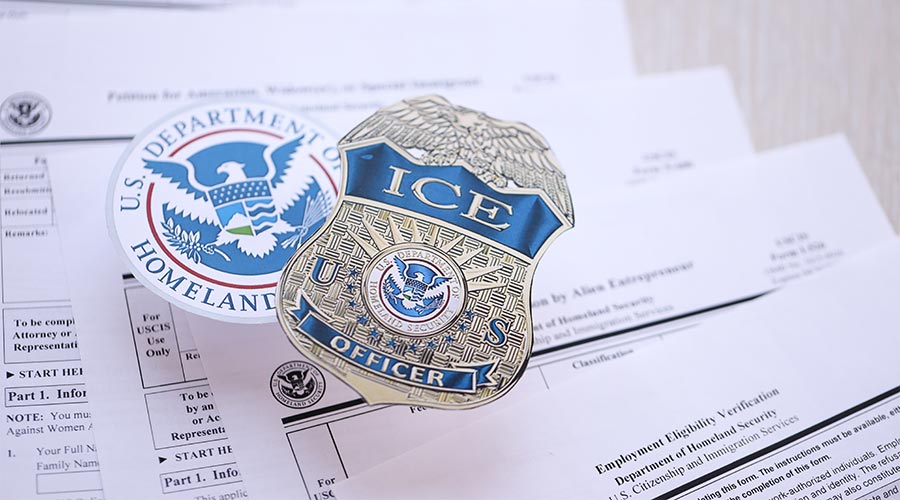
The prominence of Immigration and Customs Enforcement (ICE) presence across the U.S. illustrates emergent challenges facing commercial cleaning executives. Current industry responsibilities, as identified by International Facility Management Association (IFMA), include sustainability initiatives, budget constraints, and labor shortages. With significant increases in ICE arrests, The Baltimore Sun reports, and their employment of chemical irritants countrywide, Factually affirms, a review of policies and practices can safeguard frontline cleaning workers.
Whether an inspection or a raid, ICE agents may appear on site. In either case, ICE agents are legally allowed to conduct worksite inspections in public spaces without a warrant. However, a judicial warrant must be shown for admittance to marked private spaces, as clarified by ICE and GovFacts. If leadership chooses to ask for a judicial warrant, the name of the issuing court, judge, and the facility address may require verification. If these elements are not on the form or are inaccurate, it is not a valid warrant, and managers are not required to grant admittance into private spaces, CleanLink adds.
Another facet of the influx of ICE occupancy is their deployment of chemical agents. Cleaning teams now need to be primed to handle hazardous materials. Common chemical agents are tear gas and pepper balls—substances that can cause inflammatory reactions with symptoms such as burning sensations, coughing, and temporary blindness, DoveMed states. Resulting residual particles can contaminate and compromise the surrounding environment, requiring careful clean-up.
Cleaning teams should be trained to identify the type of tear gas, put on the proper personal protective equipment (PPE), increase ventilation, clean surfaces, decontaminate HVAC systems, neutralize odors, and dispose of waste according to state regulations, 360 Hazardous Cleanup shares. It is imperative to provide this essential education and equipment prior to exposure so that facilities can mitigate any adverse effects to the building and its occupants.
While managers are not expected to become experts in immigration law, they are positioned to prepare staff on how to facilitate ICE interactions and safely dispose of chemical waste. Preemptive planning can support staff security and facility operations.