
 CleanLink Interactive Spring/Summer 2026 Issue
 Recognizing the 2026 Reader Choice Award Winners
 2026 Emerging Leader Award
 How Surfactant Use is Expanding in Commercial Cleaning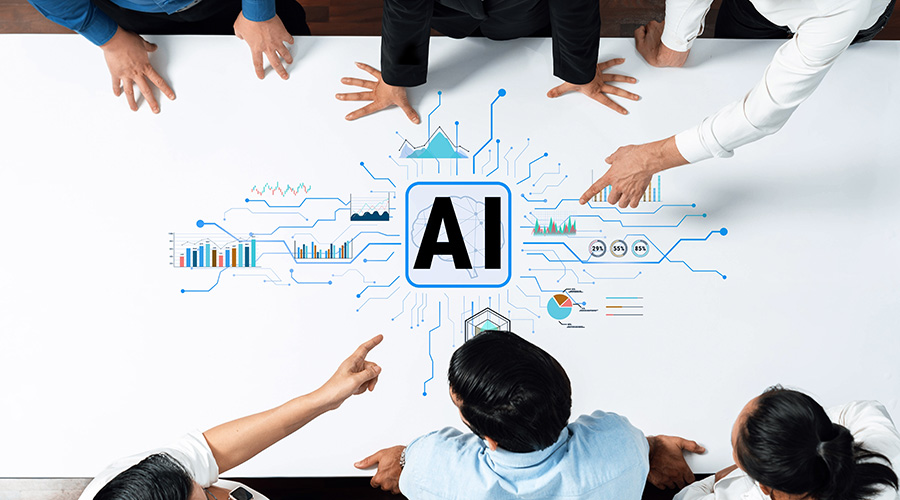
Coverall, a commercial cleaning franchisor, is sharing new guidance on why AI-resilient franchise businesses, like janitorial franchises, are gaining momentum. Businesses like these are driven by recurring customer demand and work that cannot be fully automated. As artificial intelligence (AI) continues to reshape the global workforce, entrepreneurs are increasingly looking beyond traditional office-based careers toward businesses built on human expertise.
Commercial cleaning services, alongside industries such as plumbing, HVAC, and landscaping, continue to demonstrate long-term stability as businesses require clean, healthy, and safe environments regardless of technological change. While AI is transforming many industries, essential, in-person services remain critical to the economy.
The shift comes as workers evaluate the long-term impact of AI on their careers. According to the World Economic Forum's Future of Jobs Report 2025, technological change—including advances in AI—is expected to transform 22 percent of today's jobs by 2030, with 170 million new jobs created, 92 million displaced, and a net gain of 78 million jobs worldwide. The report also found that 39 percent of workers' core skills are expected to change by 2030, accelerating interest in careers and businesses centered on essential, in-person services.
"Artificial intelligence is transforming how businesses operate, but it can't vacuum an office, sanitize a medical facility, or build trusted relationships with customers," says Shirley Klein, Chief Operations Officer, Coverall North America, Inc. "We're seeing growing interest from entrepreneurs who want to build commercial cleaning businesses that combine technology with essential services—businesses positioned to evolve alongside AI rather than compete against it."
That demand is reflected in the commercial cleaning workforce. According to the U.S. Bureau of Labor Statistics, approximately 351,300 openings for janitors and building cleaners are projected each year, on average, through 2034, driven primarily by the continued need to replace retiring workers and maintain clean, healthy commercial environments. While AI and automation continue to improve scheduling, quality assurance, and operational efficiency, demand for commercial cleaning services remains tied to the ongoing need for safe, healthy workplaces.
As businesses continue investing in healthier workplaces and employees return to offices, schools, healthcare facilities, industrial facilities, and other commercial spaces, demand for professional commercial cleaning services remains strong. For entrepreneurs seeking a business model grounded in resilience, recurring demand, and human expertise, commercial cleaning franchises represent an opportunity built to grow alongside technological innovation.