
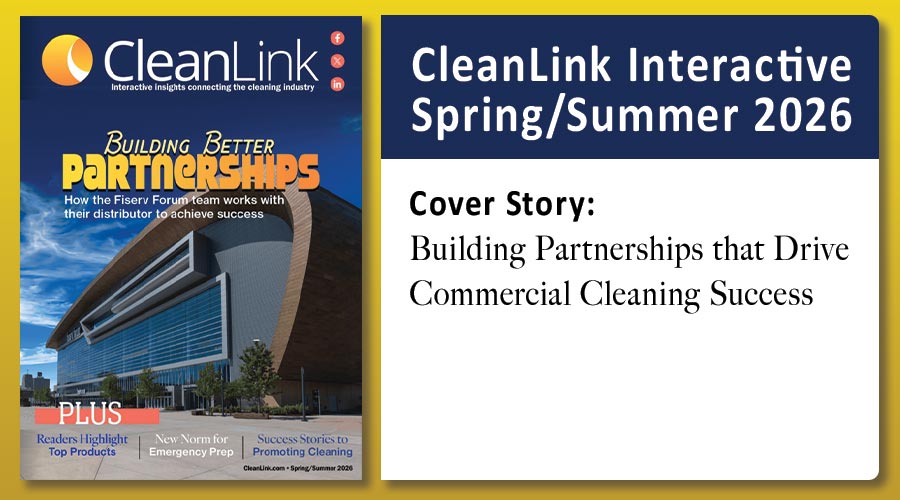
 CleanLink Interactive Spring/Summer 2026 Issue
 Recognizing the 2026 Reader Choice Award Winners
 2026 Emerging Leader Award
 How Surfactant Use is Expanding in Commercial Cleaning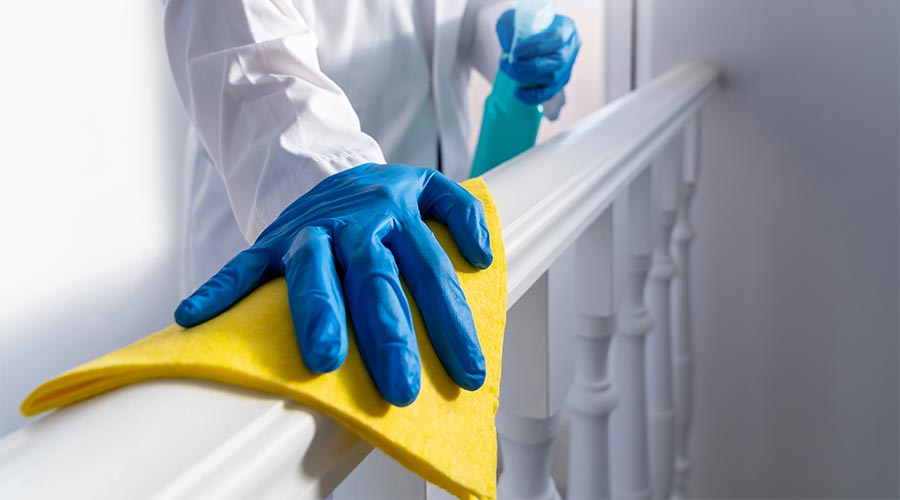
Influenza A cases continue to rise in the U.S., reports from the Centers for Disease Control and Prevention (CDC) affirm. According to USA Today, the strain of flu, initially detected in Japan and the UK as shared by the World Health Organization (WHO), is typified as subclade K. This mutation impedes the body’s immune system response, making symptoms more severe, John Hopkins Bloomberg School of Public Health states.
The winter months—December through February—are when cases tend to spike due to increased indoor time and gatherings, Fast Company says. Therefore, prioritizing high-touch surfaces and improving indoor air quality (IAQ) can enhance the well-being of individuals during this season, Healthline suggests. Shari Cedar, CEO, AK Building Services recommends starting with surfaces—wiping and spraying with disinfectants while also paying attention to dilution control and dwell time, CleanLink asserts. The CDC advises using and monitoring a quality HVAC system to improve air filtration within facilities, as well as portable air cleaners to improve ventilation in areas with high occupancy.
Annually, 17 million workdays are lost due to the flu, thereby contributing to increased absence rates, Gitnux reports. Cleaning teams can maintain their own health and safety by washing their hands, as the National Foundation for Infectious Diseases shares that 80 percent of infectious diseases are spread by poor hand hygiene. To further combat influenza, the CDC continues to recommend vaccination to protect people from more severe symptoms. The 2025-2026 flu vaccines are reported to be trivalent, meaning they are formulated to safeguard against strains of both influenza A and influenza B, Greenville News reveals.