
 CleanLink Interactive Spring/Summer 2026 Issue
 Recognizing the 2026 Reader Choice Award Winners
 2026 Emerging Leader Award
 How Surfactant Use is Expanding in Commercial Cleaning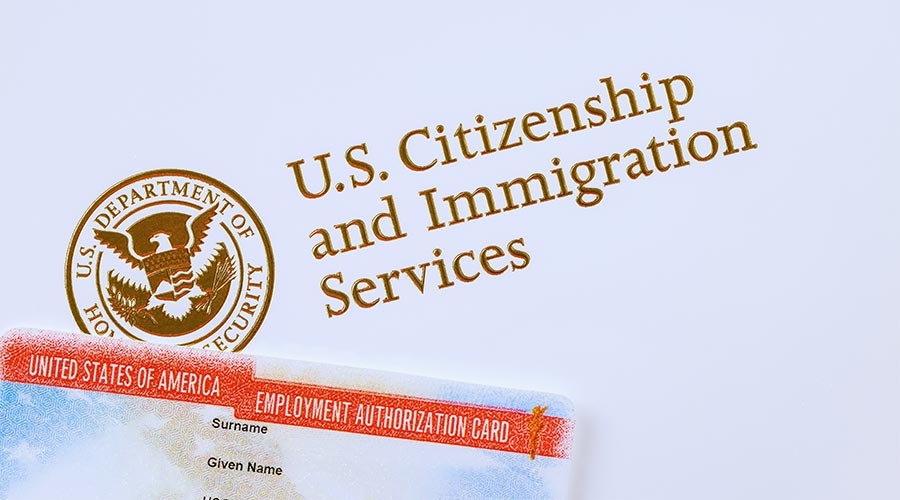
New administration immigration policies impact how work permits are issued countrywide, CBS News reports. Recent changes, issued through U.S. Citizenship and Immigration Services (USCIS), target validation periods for Employment Authorization Documents (EADs). In its Policy Manual updates, USCIS shares that reduced maximum validity periods for EADs issued on and beyond December 5 will support screening and vetting operations. These alterations affect employers who already face uncertain labor and economic markets, Fortune describes.
The shortened timeframe—from five years to 18 months—will require greater vigilance of compliance measures, VisaVerge shares. Specifically, commercial cleaning executives can expect to reverify an excess of I-9 forms, monitor EAD expiration dates, and confront an increased risk of workforce disruptions due to EAD processing times. These latest policy amendments may also expose employers to greater Immigration and Customs Enforcement (ICE) presence if reverification reporting contains inaccuracies, I9 Intelligence adds.
Proactive compliance can streamline operational processes and support staffing needs, Ponce Law Office recommends. To effectively manage EADs, facilities could centralize documentation and tracking systems, budget for possible labor disruptions, and audit reverification processes consistently, I9 Intelligence says. Additionally, employers should keep up to date regarding any further policy updates to provide staff with accurate information so they can file and renew any necessary documentation as the timeline dictates, SHRM asserts.