
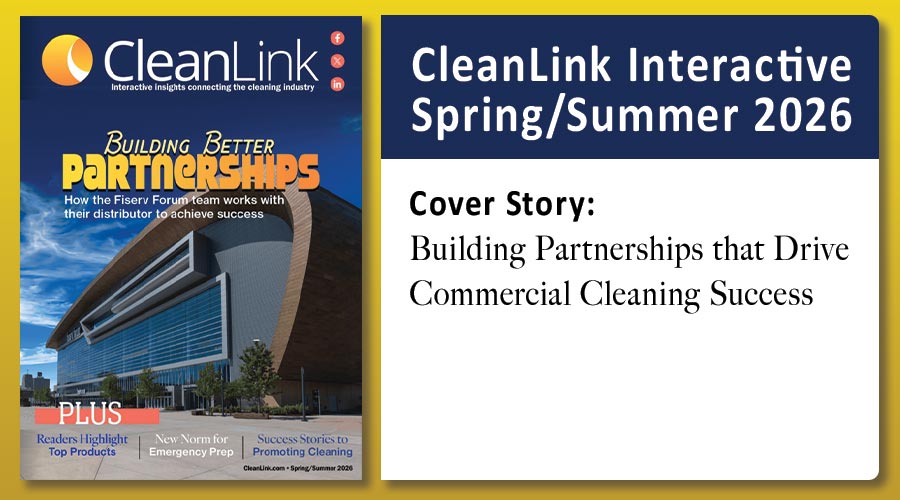
 CleanLink Interactive Spring/Summer 2026 Issue
 Recognizing the 2026 Reader Choice Award Winners
 2026 Emerging Leader Award
 How Surfactant Use is Expanding in Commercial Cleaning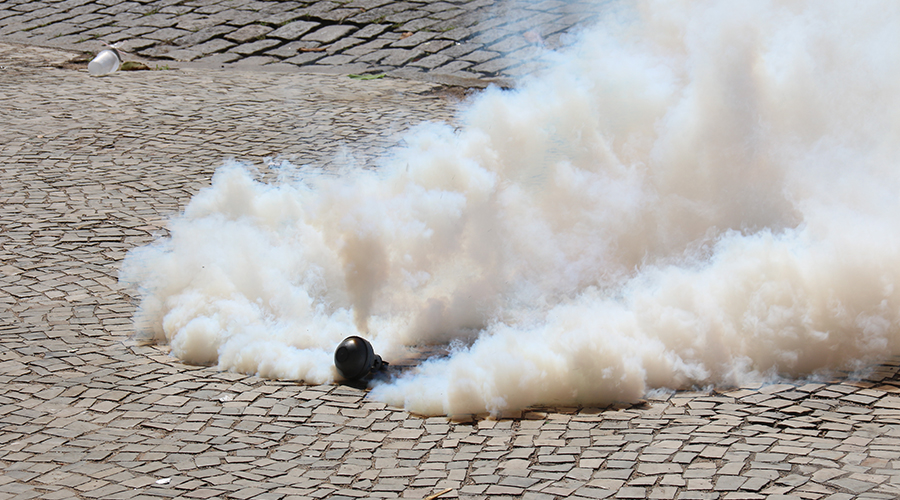
The Twin Cities (Minneapolis and St. Paul) face unprecedented levels of U.S. Immigration and Customs Enforcement (ICE) following the fatal shooting of Renee Good, USA Today shares. While the influx of federal agents in Minnesota exceeds the norm, reports that ICE operations have been documented across other major cities—Chicago, New York City, Los Angeles, and more. Their presence coincides with an increasing deployment of riot control agents, the Star Tribune notes, raising the question of how to address chemical irritant clean-up.
Exposure to these chemical compounds creates health risks. According to the Centers for Disease Control and Prevention (CDC), contact with these agents can result in long-term effects such as chemical burns, respiratory illnesses, and eye impairments. Moreover, the residue from tear gas and other devices can remain on surfaces for weeks to months, with surviving particles embedding themselves into fibers and porous materials, or recirculating back into the air, 360 Hazardous Cleanup states. Chemicals from tear gas or other irritants adversely impact both the exterior and interior of facilities, from corroding surfaces to compromising indoor air quality.
Therefore, safety is paramount for cleaning teams. Commercial cleaning executives could consider creating a chemical irritant cleaning protocol and providing extensive education as a preventative measure. Before cleaning up, impacted areas should be assessed for chemical concentration and zoned appropriately. All trained frontline staff should wear personal protective equipment (PPE) that consists of fitted, filtered full-face respirators, full-body hazardous material (HAZMAT) suits, and chemical-resistant gloves.
Environmental Protection Agency (EPA) guidance dictates that controlling ventilation is the next step, and it is important to isolate spaces and turn off HVAC systems until the targeted contaminants are contained and removed. Checking HVAC systems and changing compromised air filters is necessary to prevent residual particles from re-releasing back into the environment. Vacuuming with a high-efficiency particulate air (HEPA) or ultra-low penetration air (ULPA) vacuum can clear hazardous dust while minimizing the re-release of particles, adds Spaulding Decon. For surfaces, cleaning teams should use EPA-approved disinfectants that can decontaminate remaining dust and debris, especially on high-touch surfaces, says Aftermath.